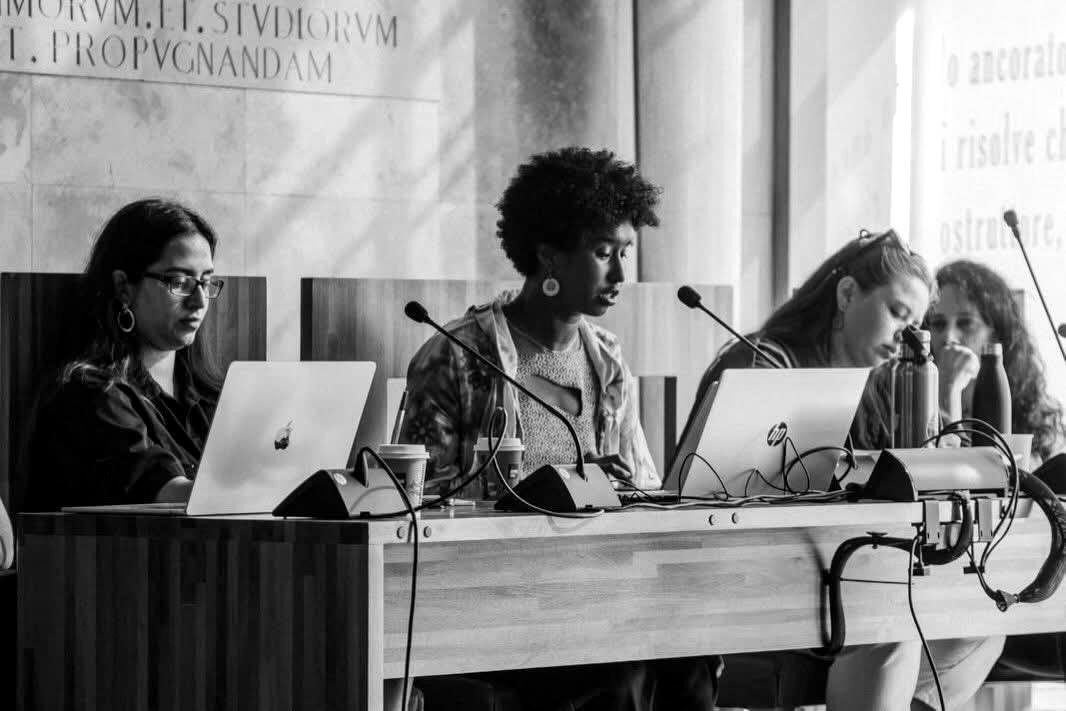
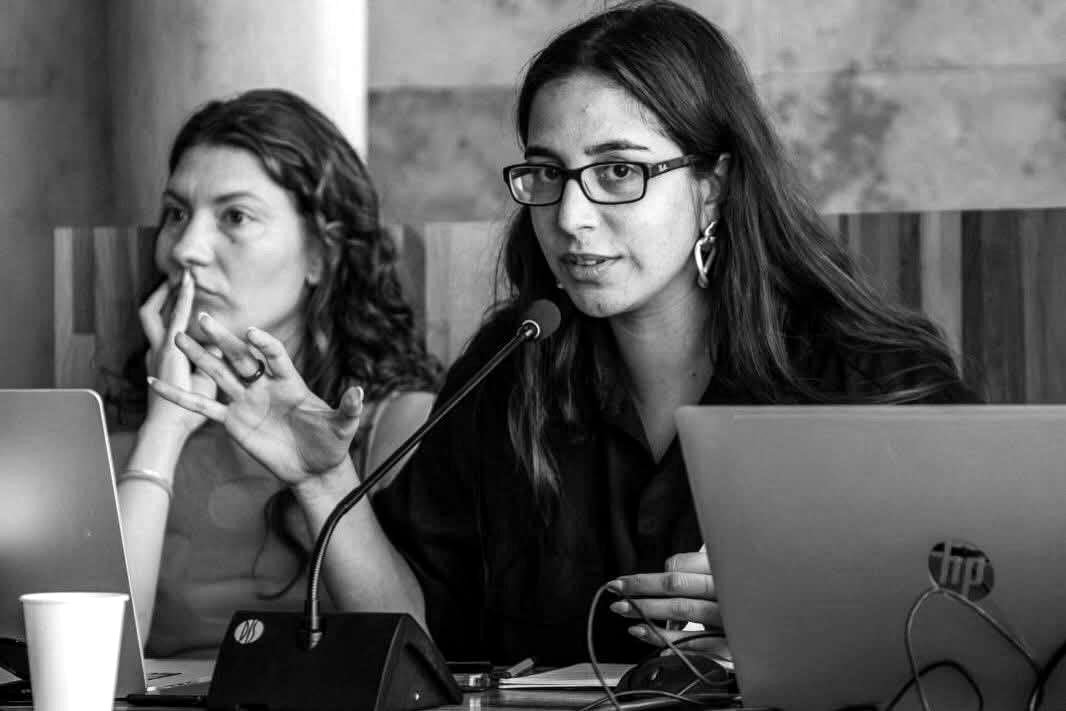
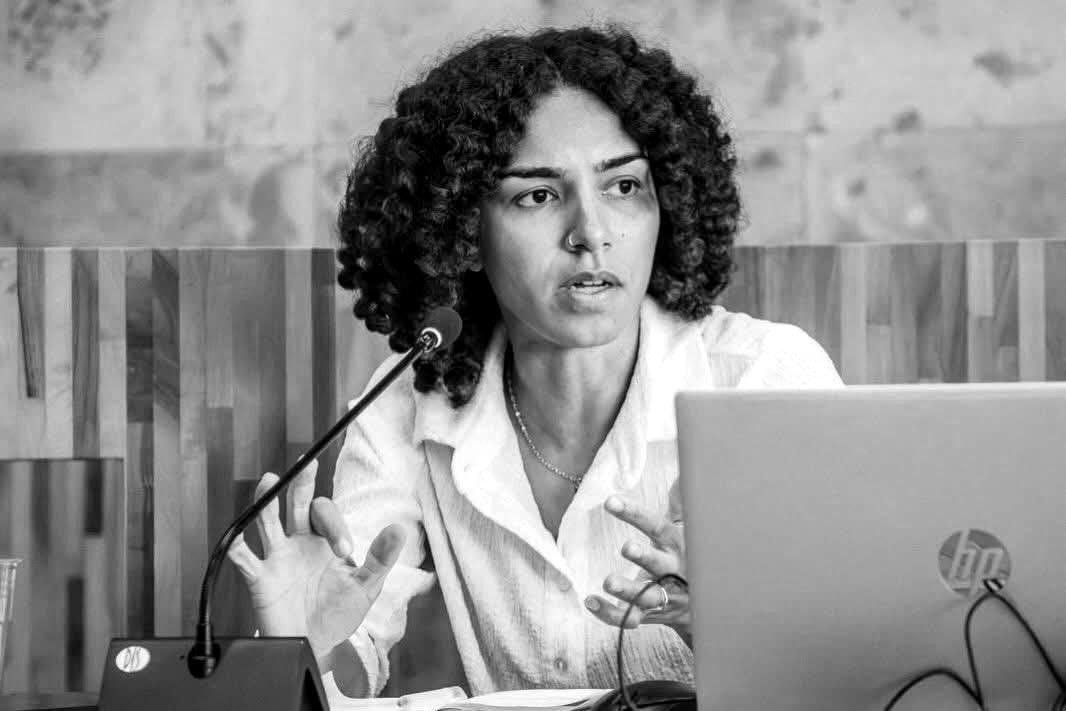
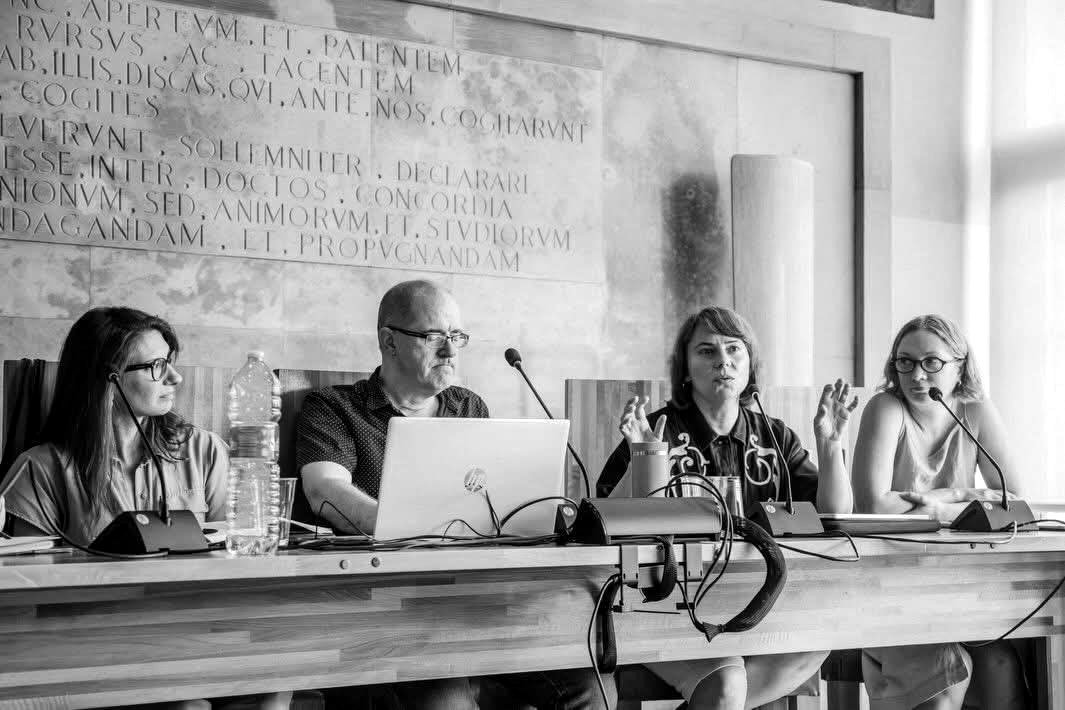
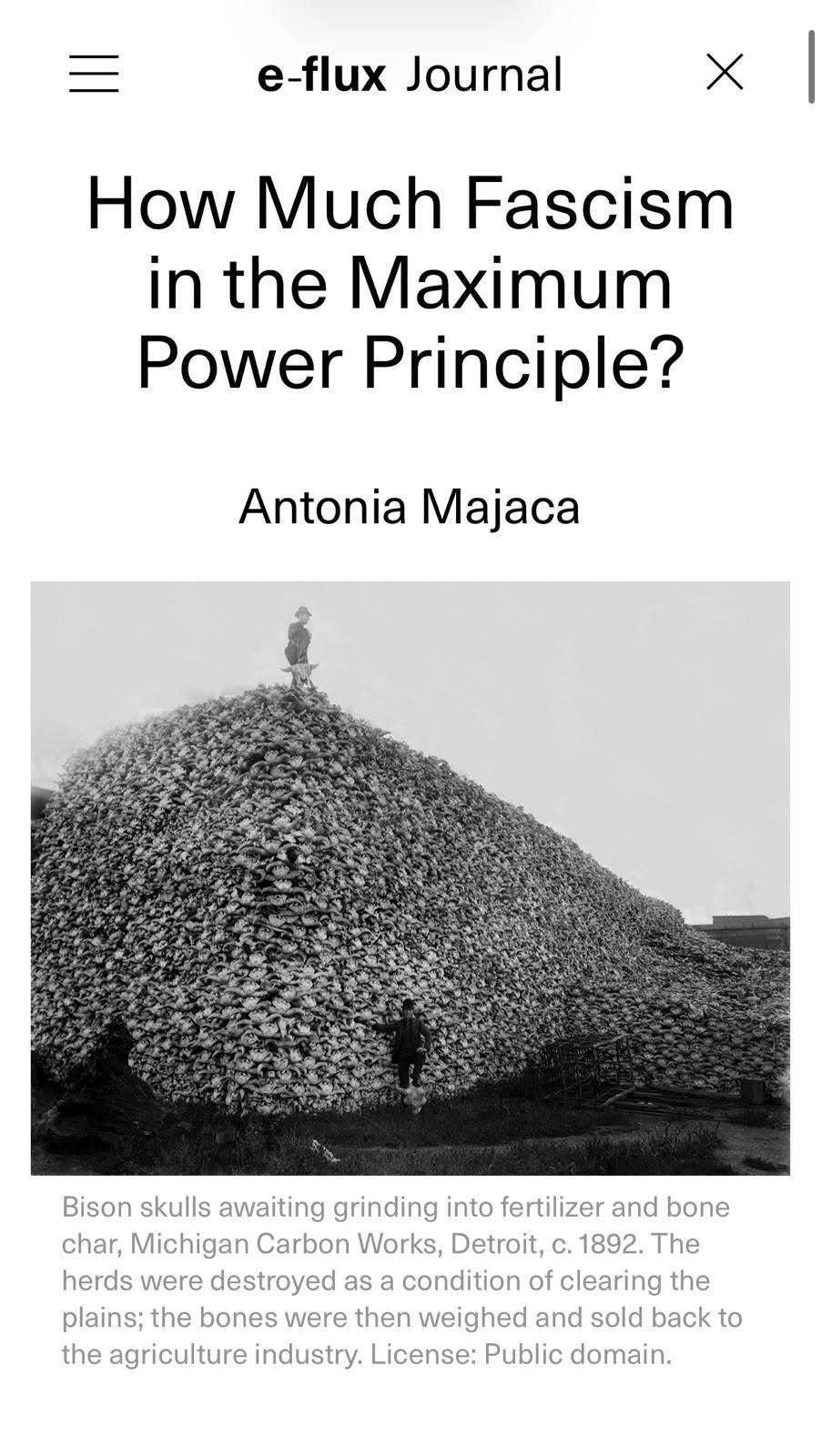
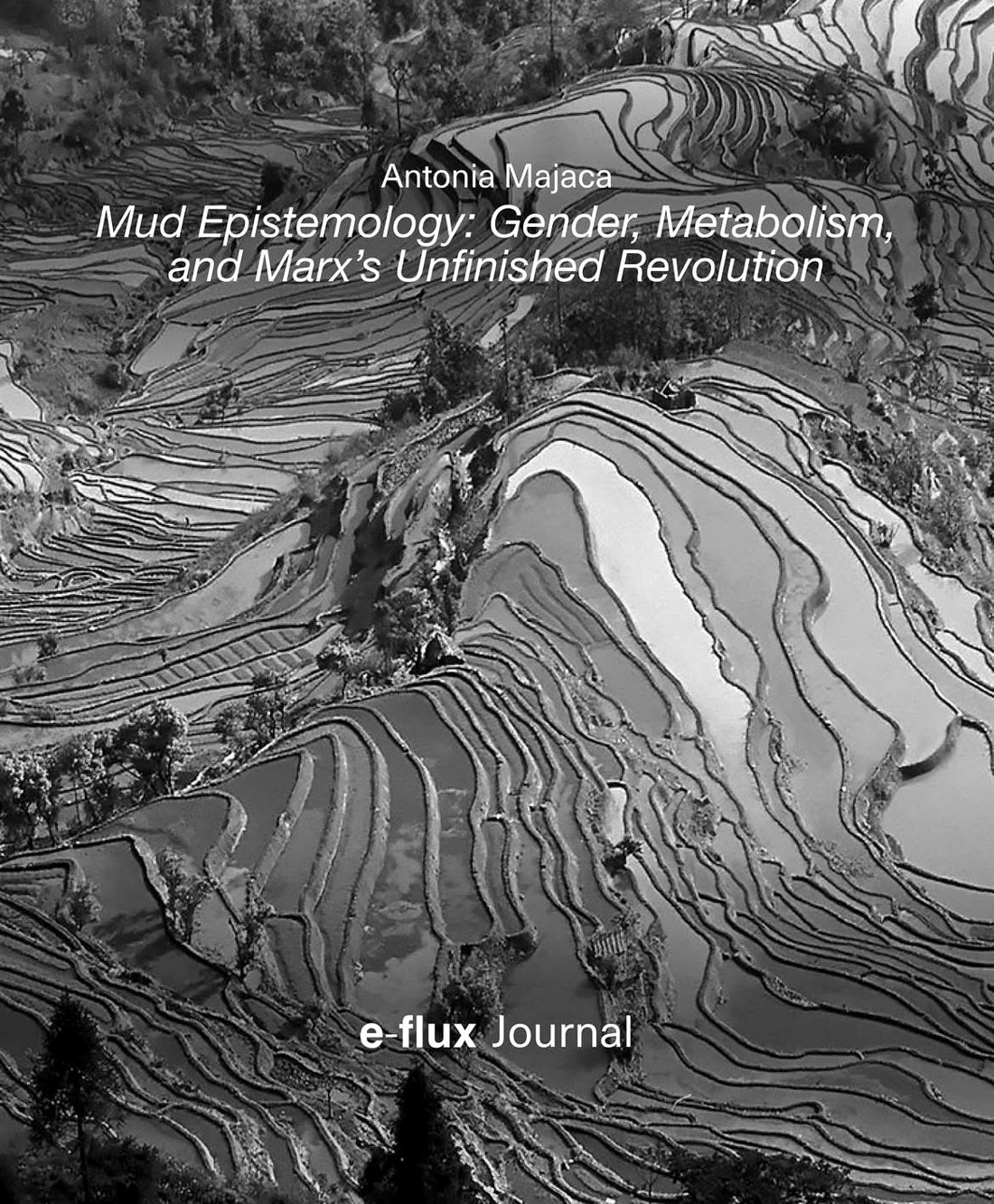
Antonia Majaca is a curator, editor, writer and researcher based in Venice. She works across art theory and critical theory, curatorial practice, cultural analysis, political ecology and the environmental humanities, and she teaches in all of these fields. Her current research, within the ERC project HealthXCross at Ca’ Foscari University of Venice, builds a historical materialist and decolonial feminist theory of metabolism, from Marx’s unheilbarer Riß to the microbial ecologies, and asks what art, concept creation and curatorial praxis can do once nature is understood as something made and remade by labour, waged and unwaged. At Ca’ Foscari she founded the research cluster Radical Epistemologies: Political Ecology and Transversal Praxis at the NICHE Centre for Environmental Humanities, convenes the workshop series Learning With, and co-organised the international symposium Metabolic Commons (2026). Her essays on these questions appear in e-flux journal, most recently “Mud Epistemology: Gender, Metabolism, and Marx’s Unfinished Revolution” (2025) and “How Much Fascism in the Maximum Power Principle” (2026), and are forthcoming in the De Gruyter Reader in Feminist Media Theory, the Geoanthropology volume in Springer’s Political Epistemology series, and a special issue of Theory, Culture & Society.
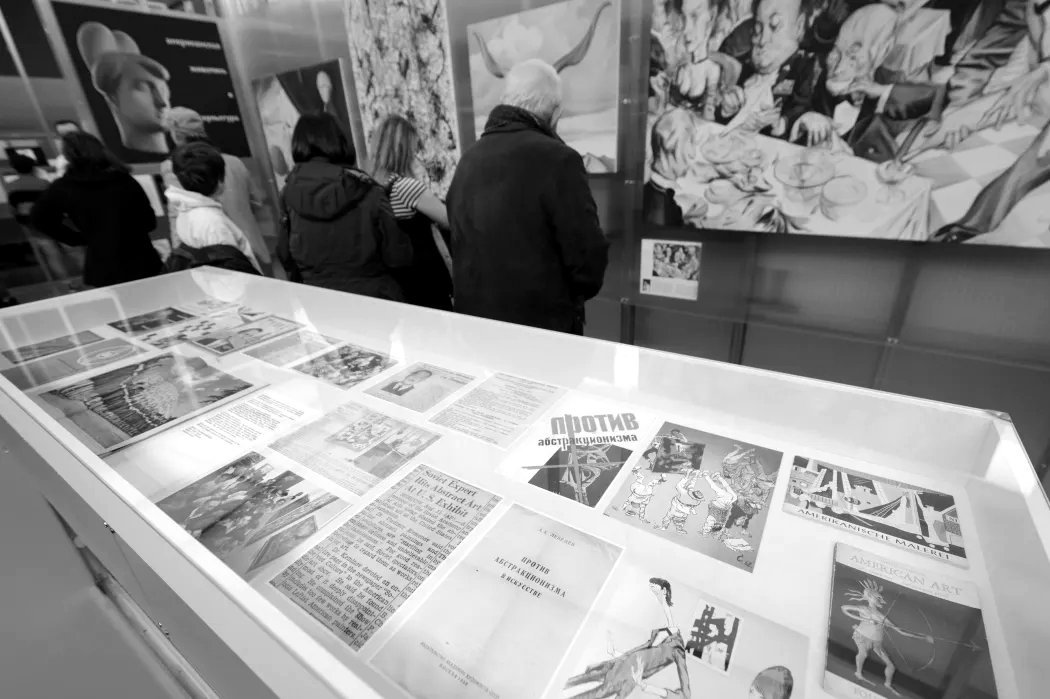
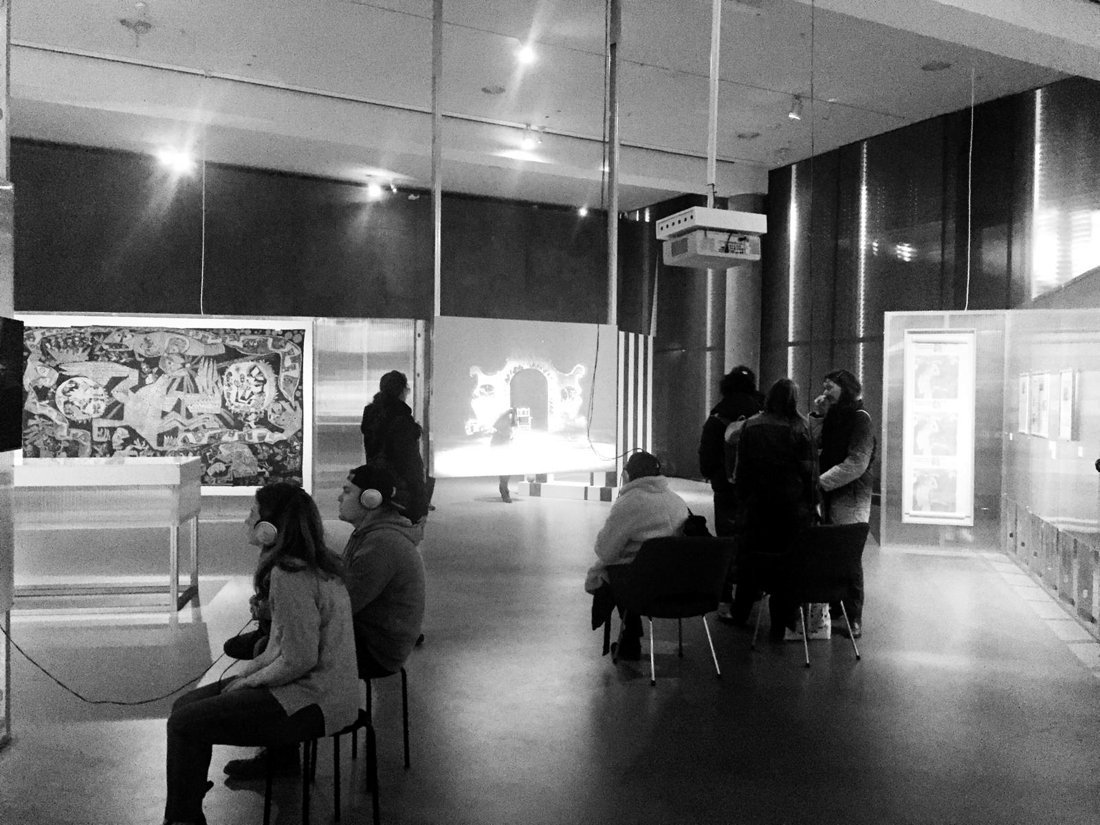
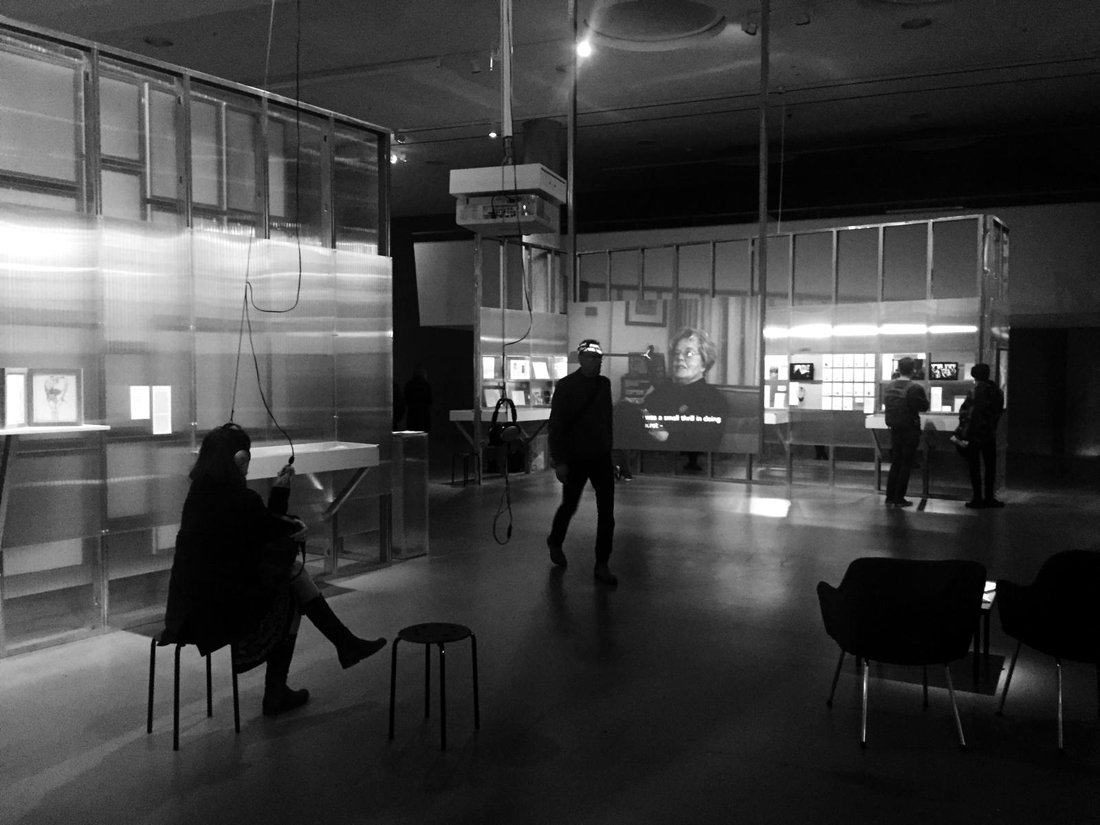
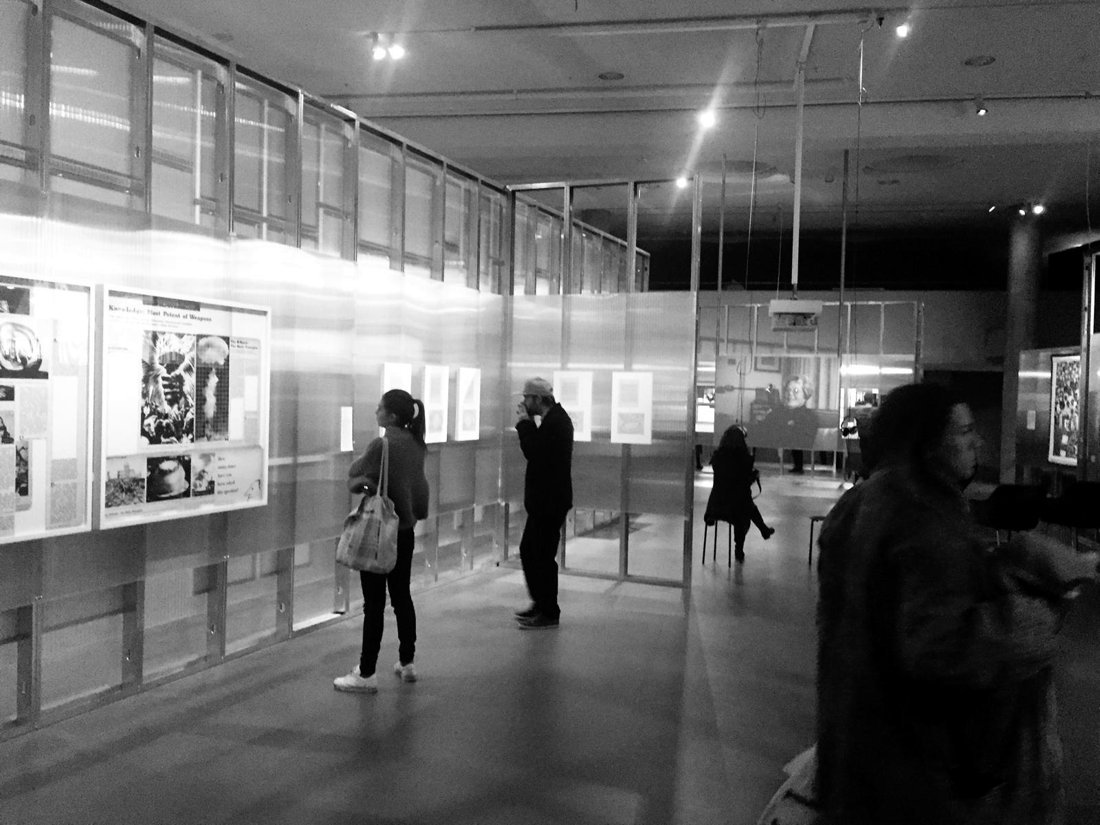
This work grows out of two decades of curating, editing and research at the centre of the field. She curated the Croatian Pavilion at the 60th Venice Biennale (Vlatka Horvat, By the Means at Hand, 2024); co-curated Parapolitics: Cultural Freedom and the Cold War at Haus der Kulturen der Welt (2017) as a member of HKW’s curatorial team for Kanon-Fragen; co-directed the Crit Sessions of the 10th Berlin Biennale (2018); curated the programme Art of the Possible with Sanja Iveković for documenta 14 in Athens (2017); convened Memorial For(u)ms at HAU Hebbel am Ufer with the DAAD Berlin Artists Program (2015); and made exhibitions for MUAC Mexico City, among others. In Zagreb she directed Galerija Miroslav Kraljević (GMK) for six years and co-founded the research platform DeLVe with Ivana Bago. As principal investigator of the Austrian Science Fund (FWF) project The Incomputable at TU Graz she led a five-year arts-based research programme on art, algorithmic governance and the subject.
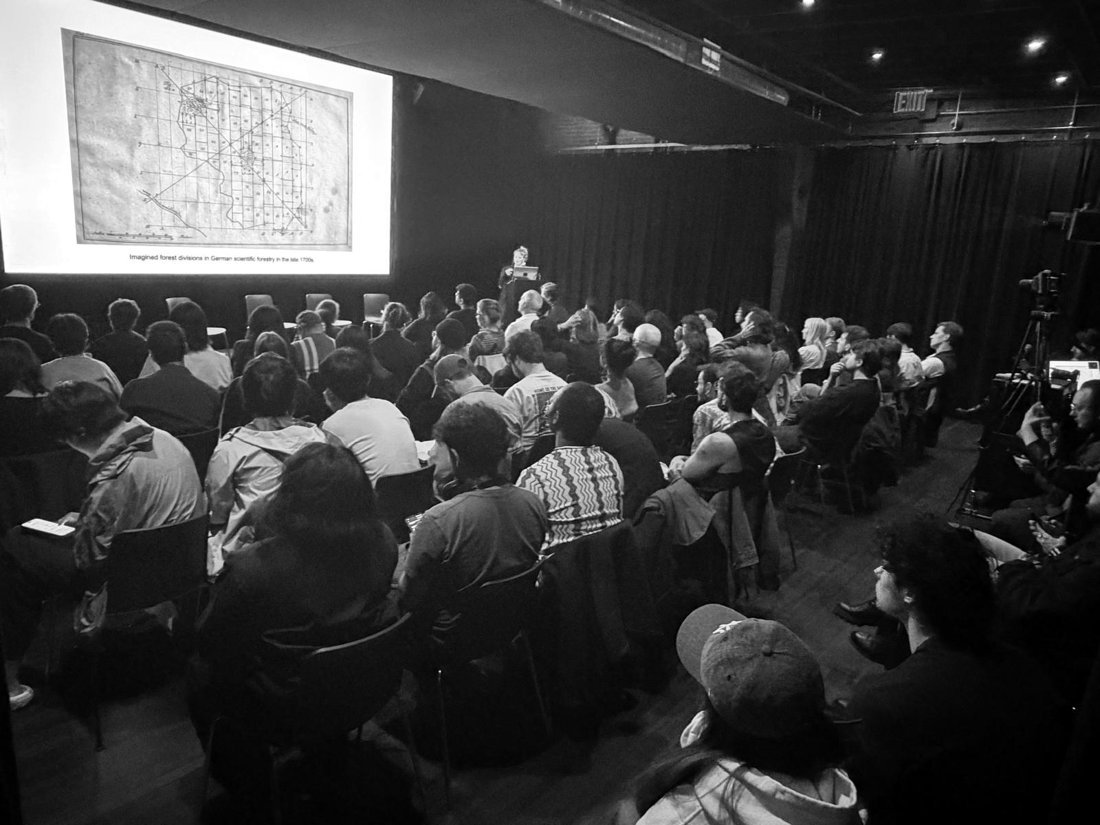
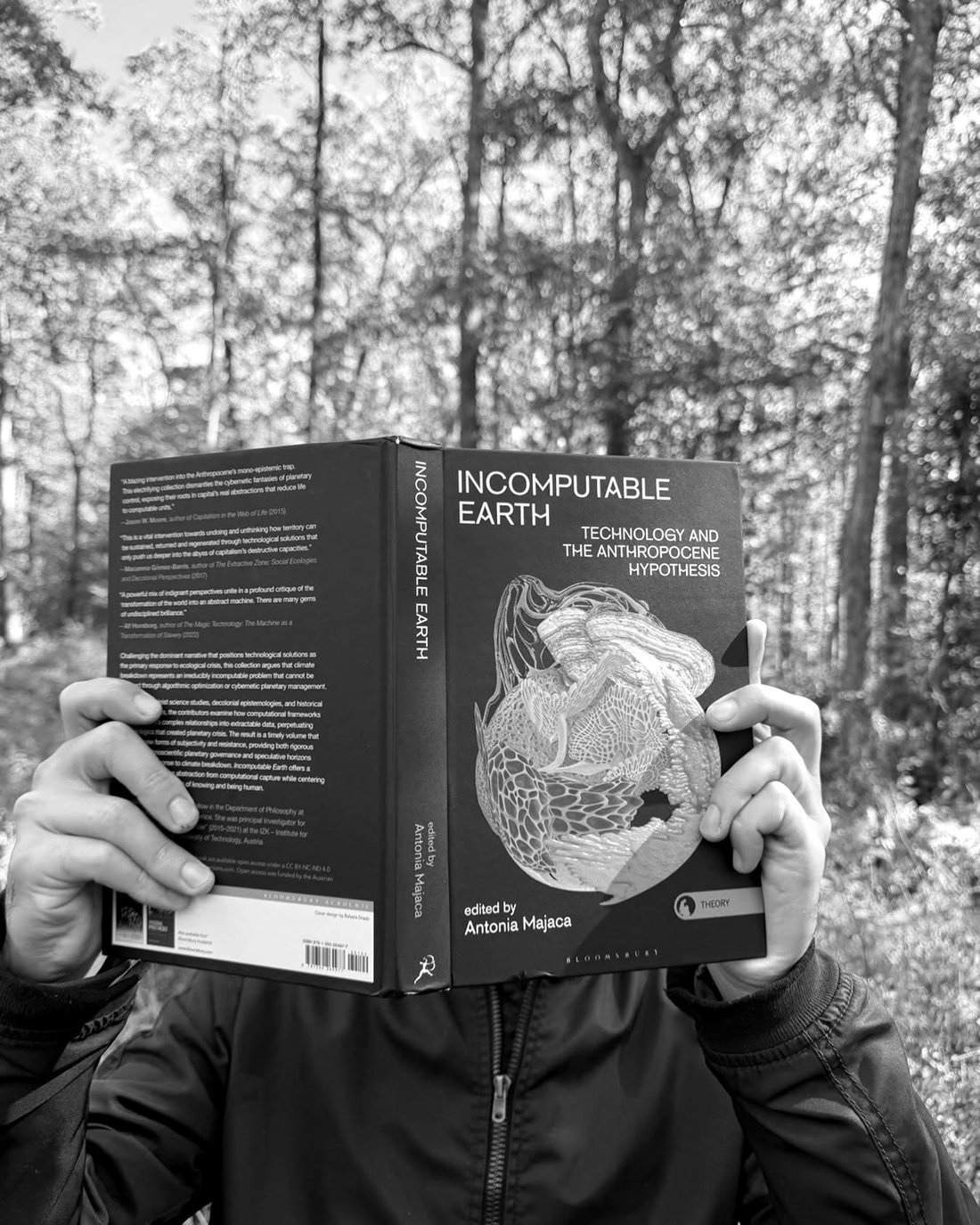
She is the editor of Incomputable Earth: Technology and the Anthropocene Hypothesis (Bloomsbury, 2025) and co-editor of Parapolitics (HKW/Sternberg Press, 2021) and Feminist Takes: Early Works by Želimir Žilnik (Sternberg Press, 2021). She has lectured at the Museo Nacional Centro de Arte Reina Sofía in Madrid, the Max Planck Institute for the History of Science, Goldsmiths, SOAS, the Academy of Fine Arts Vienna, Leuphana University, KW Institute for Contemporary Art, NYU and the 58th Venice Biennale.
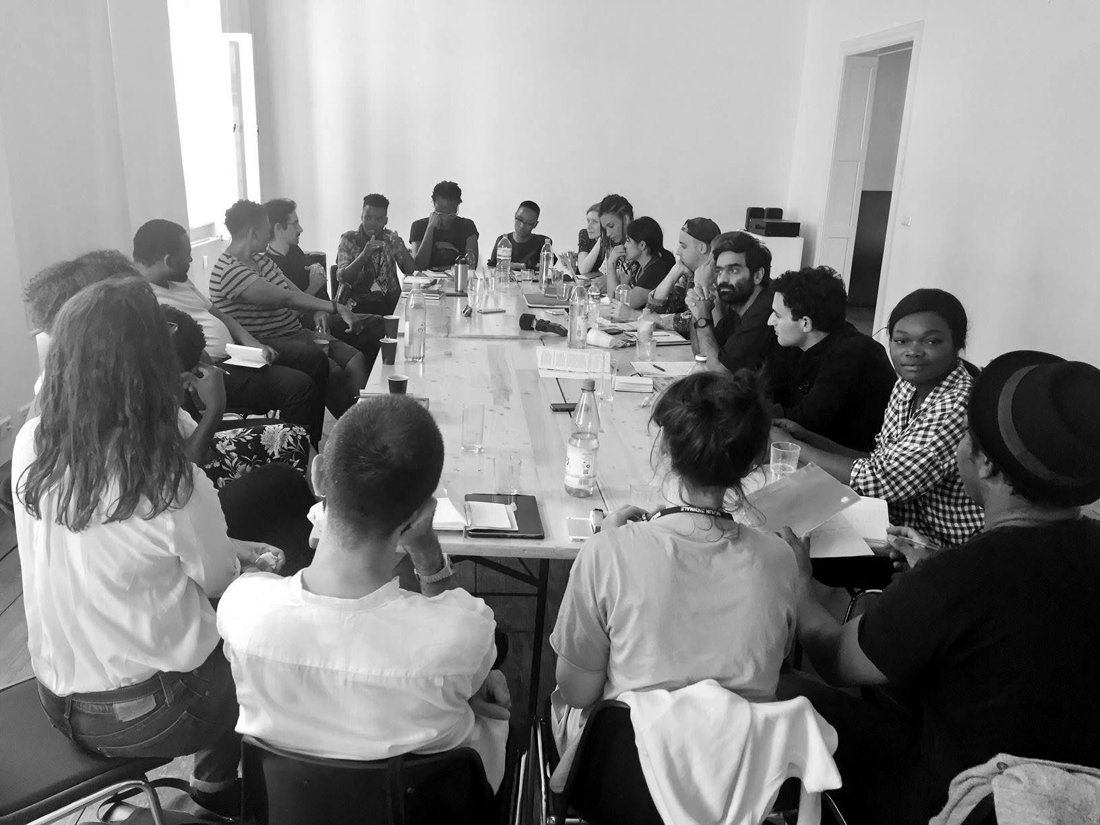
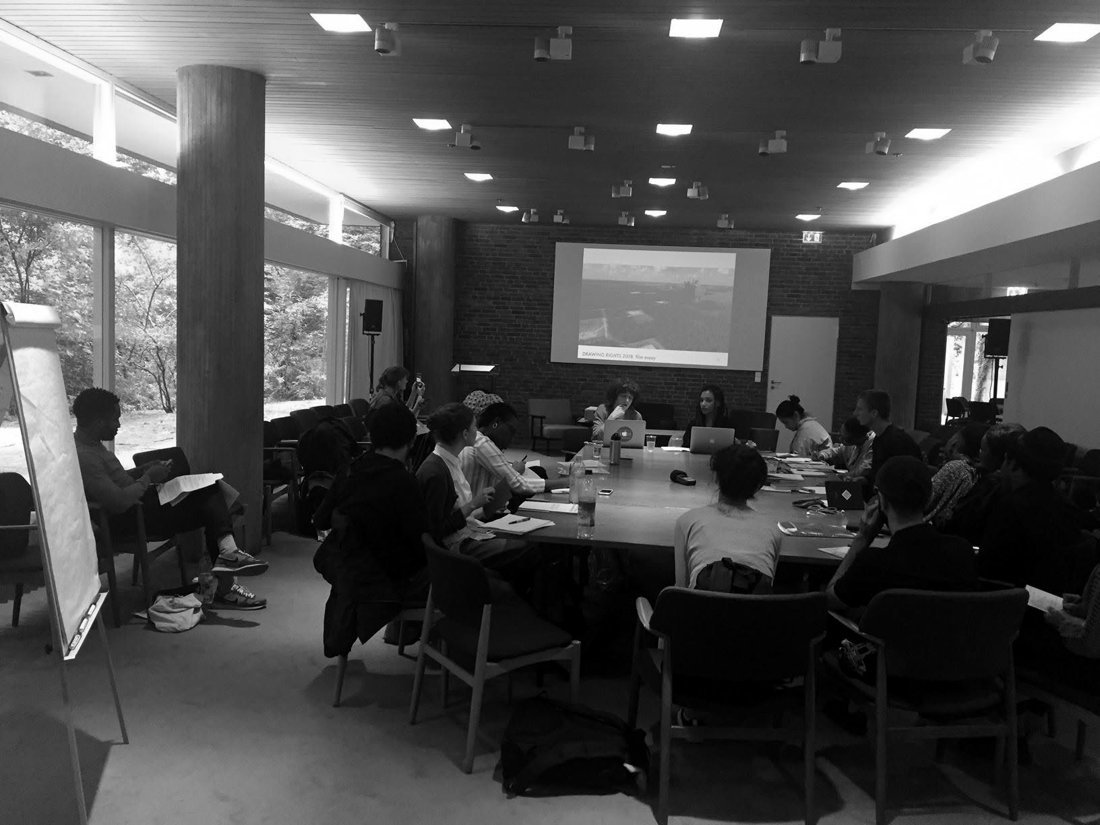
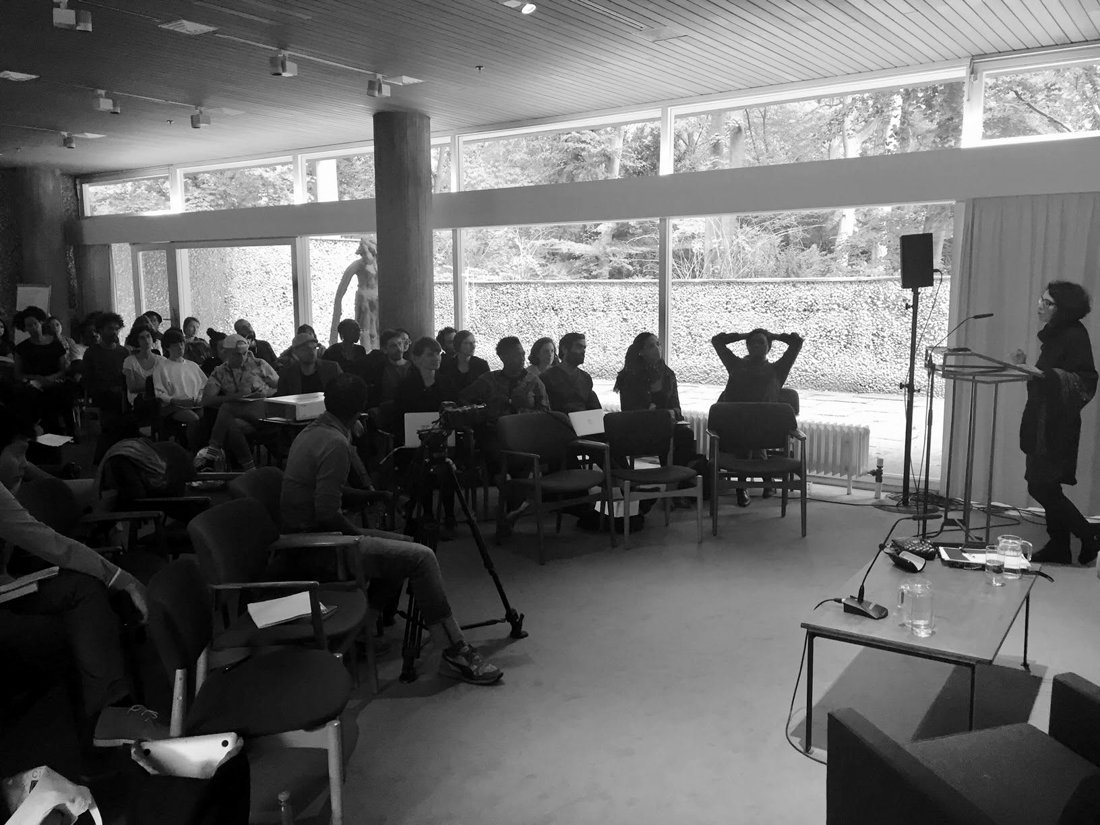
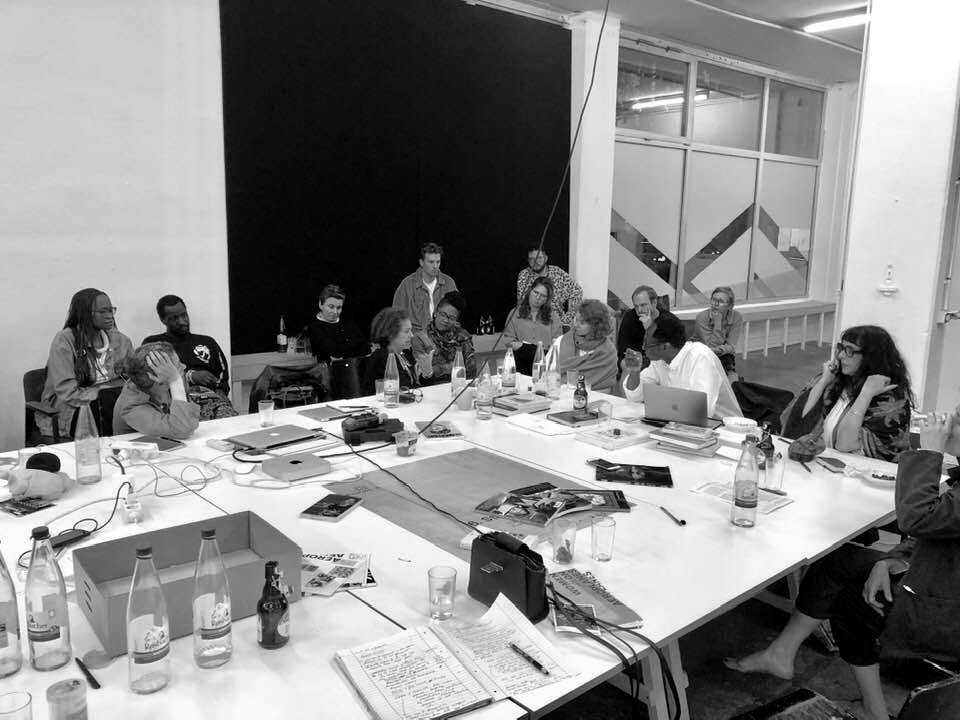
She has taught at the Dutch Art Institute since 2018, was visiting professor at the Institute for Contemporary Art, TU Graz, led seminars at HfG Karlsruhe, the Academy of Fine Arts Prague, ICA Miami and the Saas-Fee Summer Institute of Art, and in 2026 taught the feminist political ecology module of the Green Academy in Komiza. Her teaching and her curating share the form of an open forum around a shared object. She works in Croatian, English, Italian and German.
At a glance
Fields
Art theory and critical theory; curatorial theory and practice; cultural analysis; art and ecology; political ecology and the environmental humanities; historical materialism and decolonial feminist theory; computation, the Anthropocene and the history of science
Edited volumes
Incomputable Earth (Bloomsbury), Parapolitics (HKW/Sternberg Press) and Feminist Takes (Sternberg Press), alongside exhibition catalogues, Removed From the Crowd, a reader on historical conceptualism
Writing
Essays in e-flux journal and e-flux Notes; chapters with MIT Press, Sternberg Press, HKW; catalogue essays for the Croatian and Icelandic pavilions of the Venice Biennale and for MUAC Mexico
Research leadership
Principal investigator of the Austrian Science Fund arts-based research project The Incomputable at TU Graz; founder of the research cluster Radical Epistemologies at the NICHE Centre for Environmental Humanities, Ca’ Foscari
Talks
Reina Sofía Madrid, MoMa, Max Planck Institute for the History of Science, Goldsmiths, SOAS, Academy of Fine Arts Vienna, Leuphana, KW Berlin, HAU Berlin, HKW Berlin, NYU, FHNW Basel, 58th Venice Biennale
Teaching
Dutch Art Institute since 2018; visiting professor at the Institute for Contemporary Art, TU Graz; seminars at HfG Karlsruhe, the Academy of Fine Arts Prague, ICA Miami and the Saas-Fee Summer Institute of Art
Areas of work
The work is organised here as seven areas, each a question pursued across exhibitions, programmes, writing, teaching and talks.
1
Metabolism, Metabolic Rift, Feminist Political Ecology
2021–
2
What is contemporary art ?
2013–
3
The Anthropocene as Planetary Computation
2019–26
4
Computation, the incomputable and the psychic apparatus
2015–23
5
The Cold War manufacture of cultural freedom
2016–21
6
Memory, genocide and the forum
2007–17
7
Art history and the historiography of political conceptualism in Yugoslavia
2005–15
1
Metabolism, Metabolic Rift, Feminist Political Ecology
2021–
What is the medium that computation models and cannot count, and what did Marx mean when he called the rift in it incurable? Marx’s Stoffwechsel and his unheilbarer Riß, an incurable tear that English translation turned into a repairable rift, are the starting point for a historical materialist and decolonial feminist theory of metabolism: a plurality of rifts differentiated by gender, race and geography; the gendered division of labour as the first separation; fascism in the energetics of Ostwald, Lotka and Odum as a matter of degree; and microbiome science as a present-day site of primitive accumulation, read with Sylvia Wynter’s question of which human is optimised and which exploited.
Programmes, symposia and seminars convened
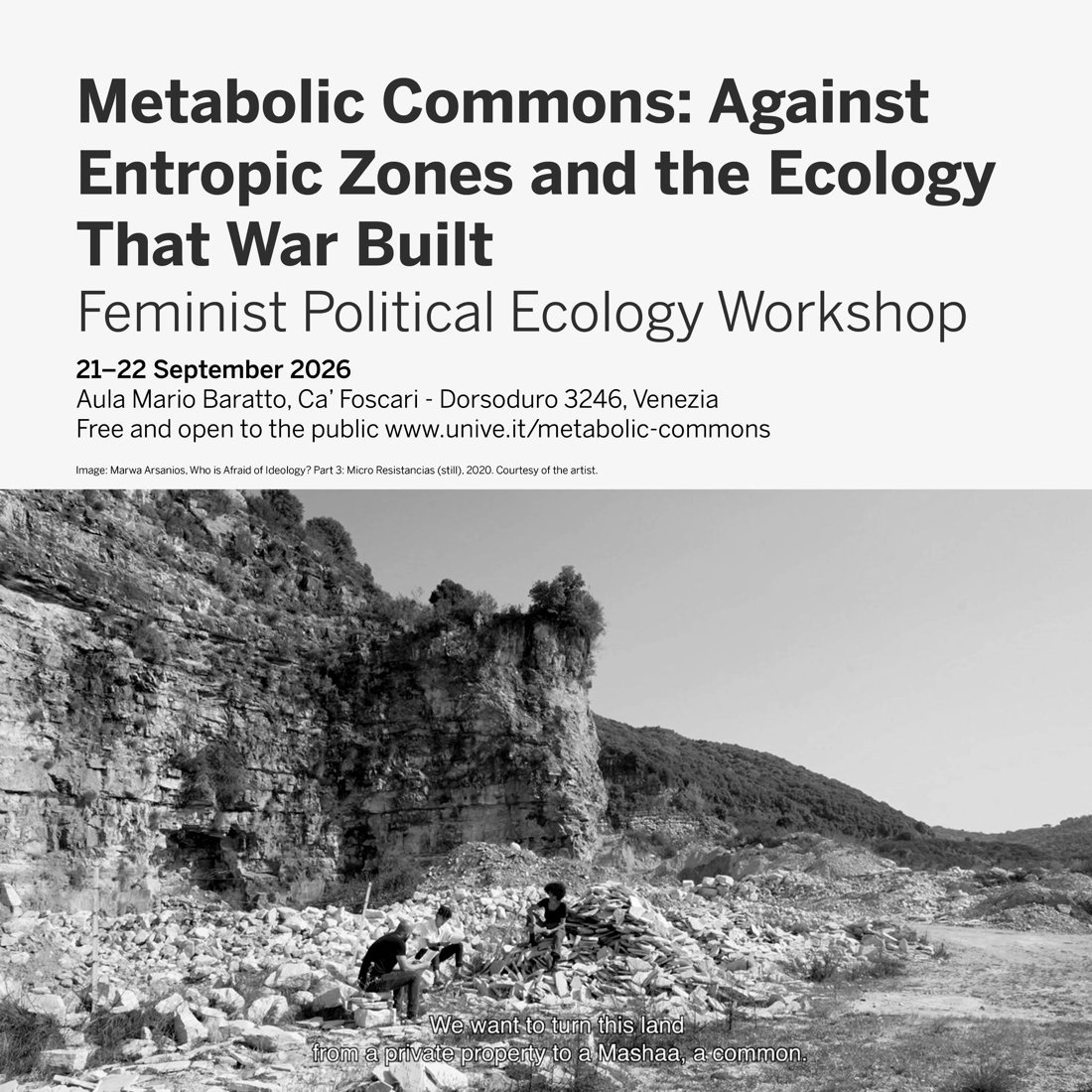
2026Metabolic Commons
Ca’ Foscari University of Venice, 21–22 September 2026
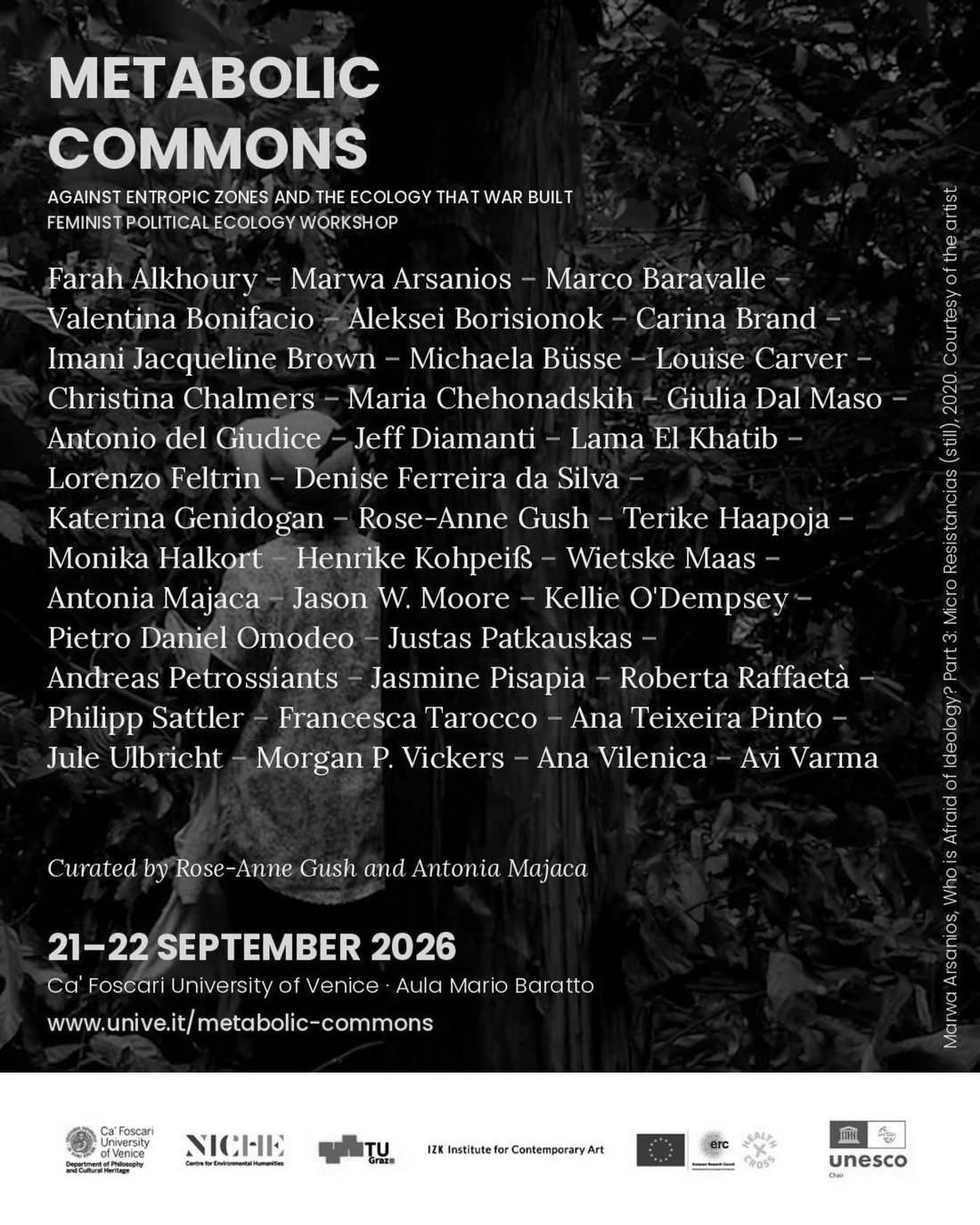
Co-organiser, with Rose-Anne Gush (TU Graz)
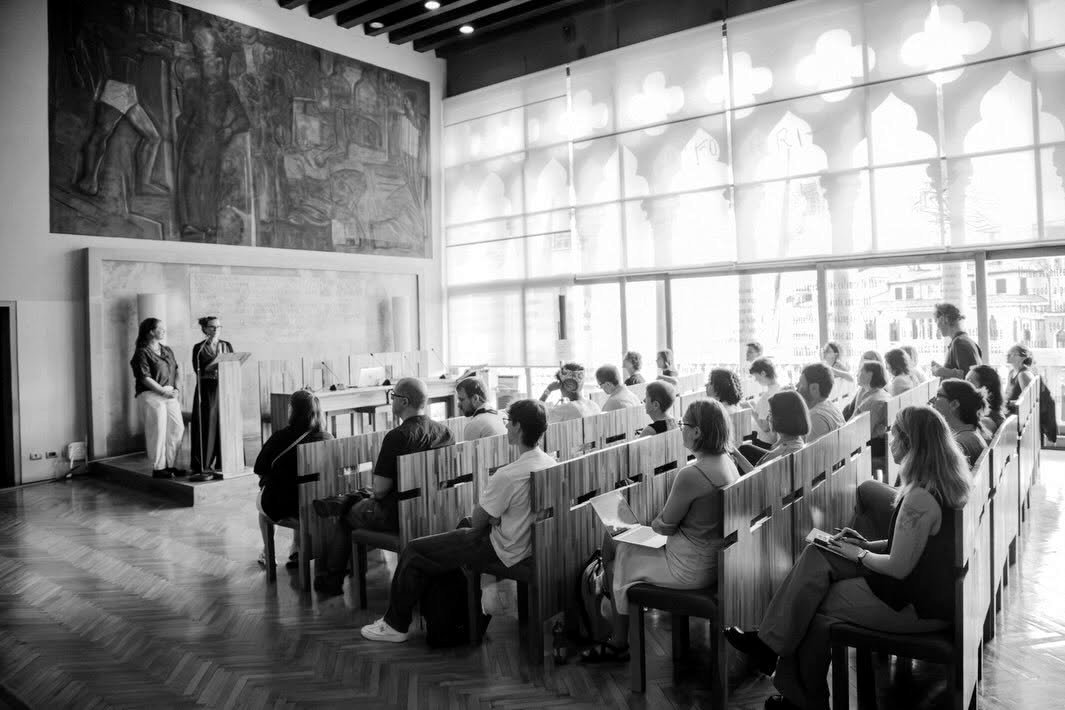
An international two-day workshop of 29 speakers across seven panels on metabolism as a category of political ecology and historical materialism. Majaca conceived the programme within the Radical Epistemologies cluster, coordinated the institutional partnership between Ca’ Foscari and TU Graz, and presented the paper “Energy of War Ecology: The Maximum Power Principle.”
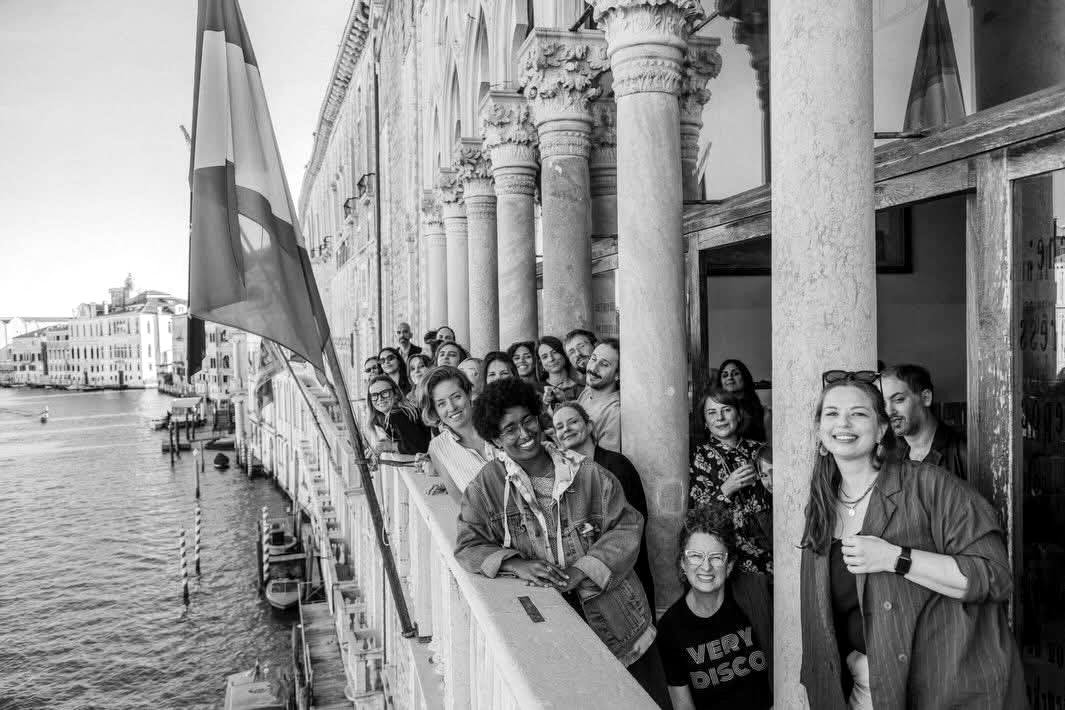
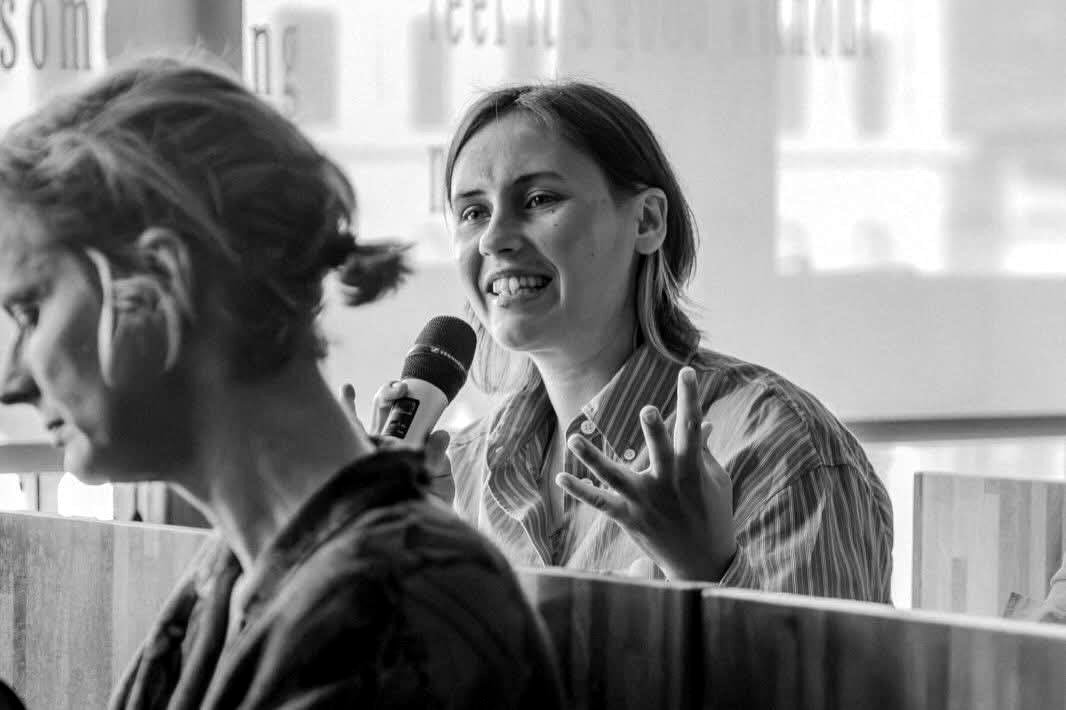
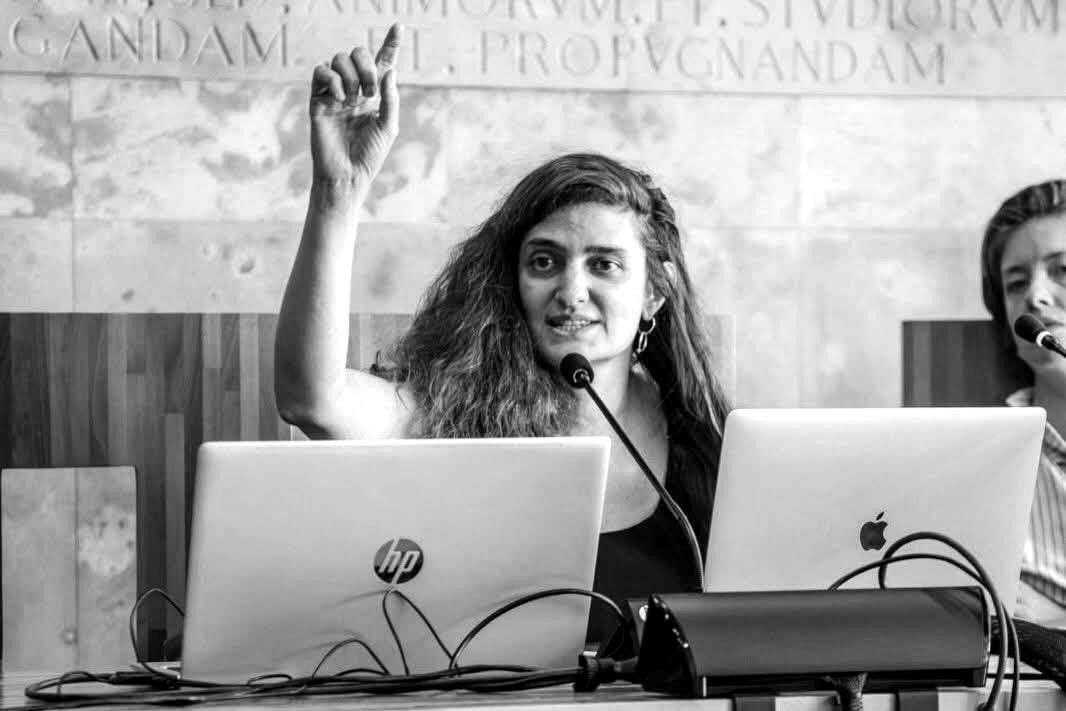
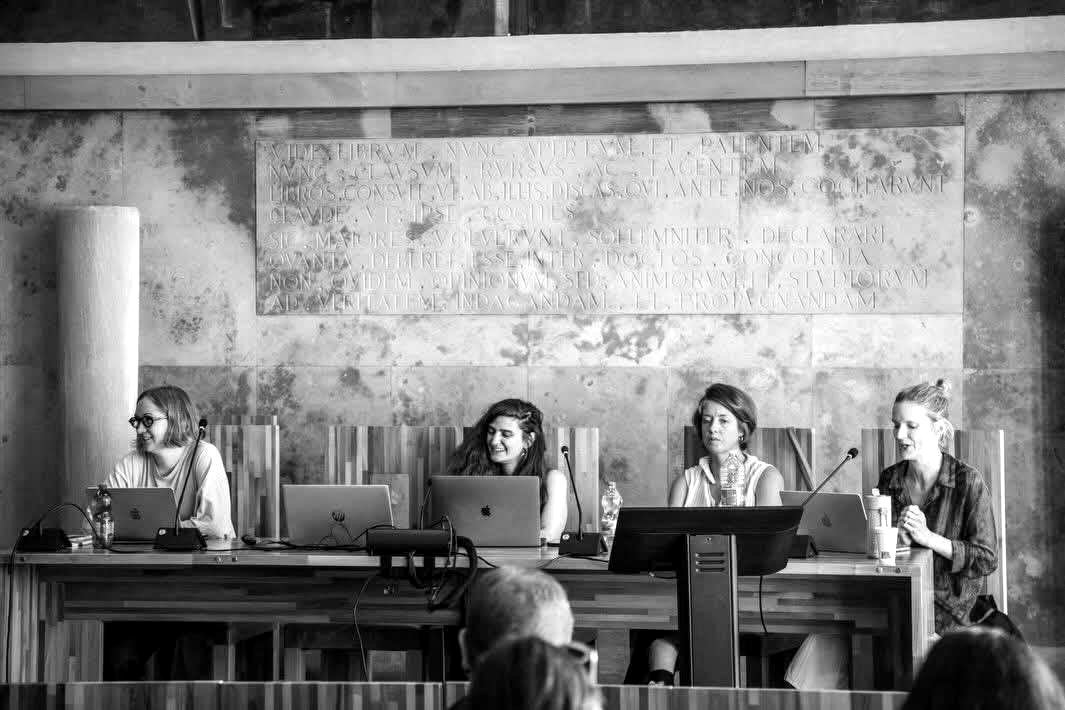
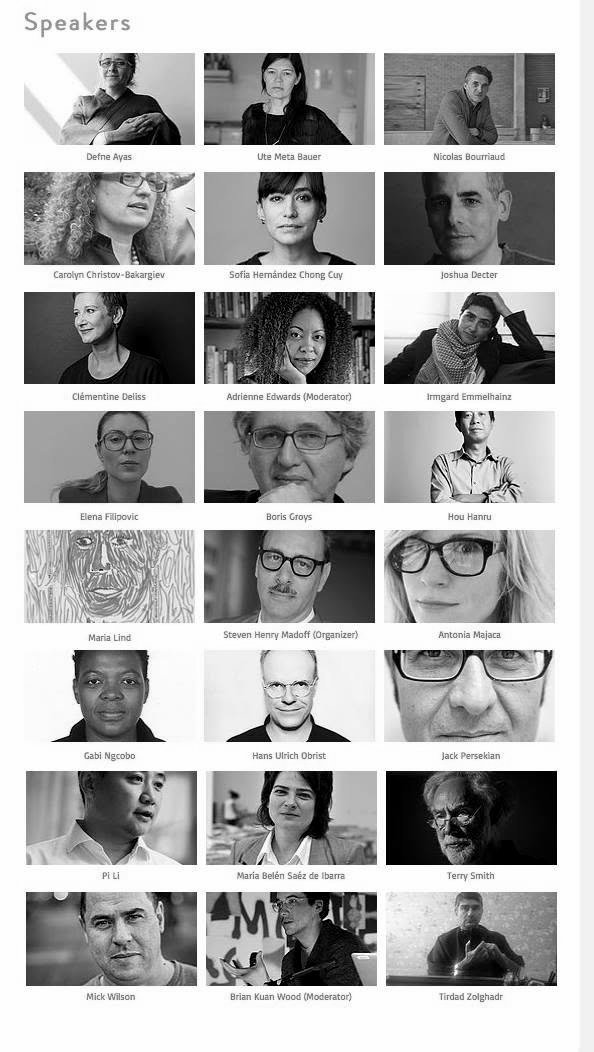
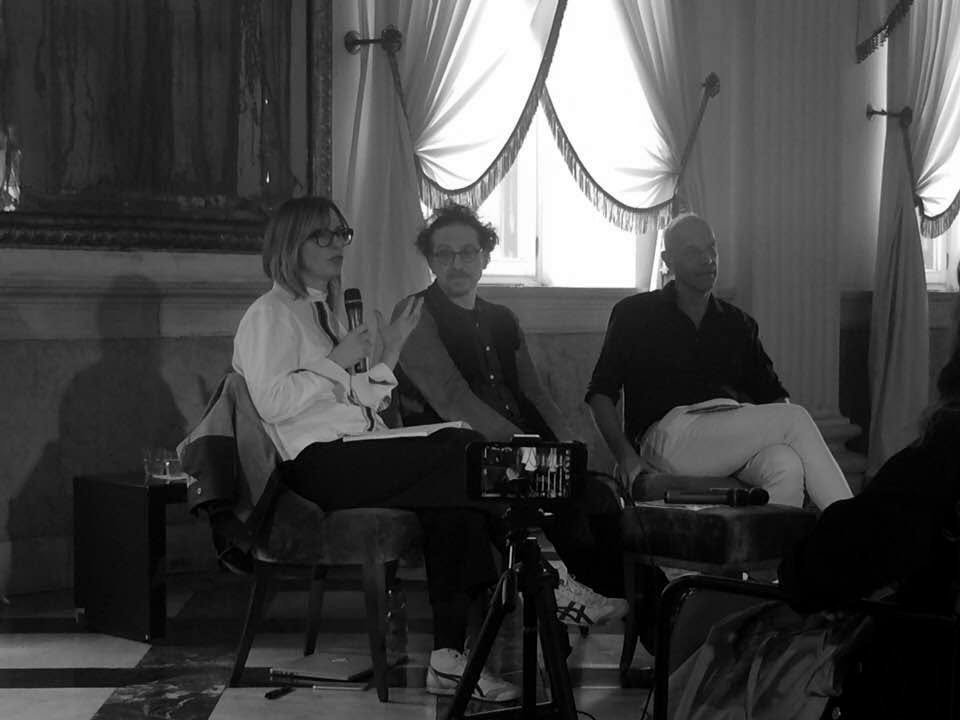
Metabolic Commons, 21–22 September 2026. Image: Marwa ArsaniosMetabolic Commons, speakers; curated by Rose-Anne Gush and Antonia MajacaMetabolic Commons, Aula Mario Baratto, Ca’ Foscari, September 2026Metabolic Commons, Ca’ Foscari, Venice, 21–22 September 2026: participants on the balcony over the Grand CanalPanel, Aula Baratto, Ca’ Foscari, 2026Panel, Aula Baratto, Ca’ Foscari, 2026Panel, Aula Baratto, Ca’ Foscari, 2026Panel, Aula Baratto, Ca’ Foscari, 2026Panel, Aula Baratto, Ca’ Foscari, 2026Panel, Aula Baratto, Ca’ Foscari, 2026Panel, Aula Baratto, Ca’ Foscari, 2026Panel, Aula Baratto, Ca’ Foscari, 2026Antonia Majaca introducing a panel, Aula Baratto, Ca’ Foscari, 2026
2025–Radical Epistemologies: Political Ecology and Transversal Praxis. Research cluster, NICHE Centre for Environmental Humanities, Ca’ Foscari. Founder and coordinator. Its method is the workshop series Learning With
2025–Learning With
NICHE Centre for Environmental Humanities and ERC project HealthXCross, Ca’ Foscari University of Venice
Founder and convenor
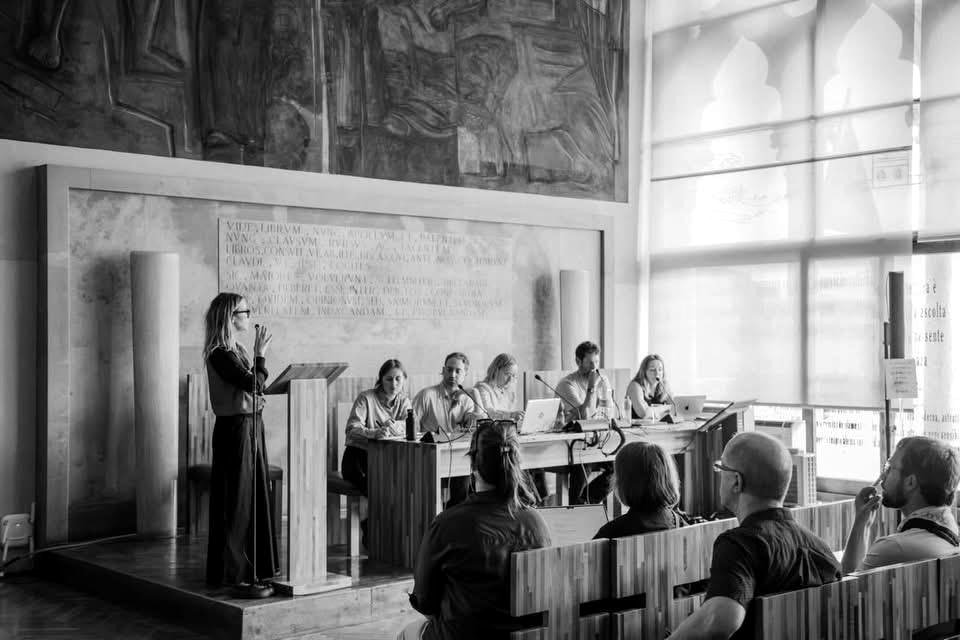
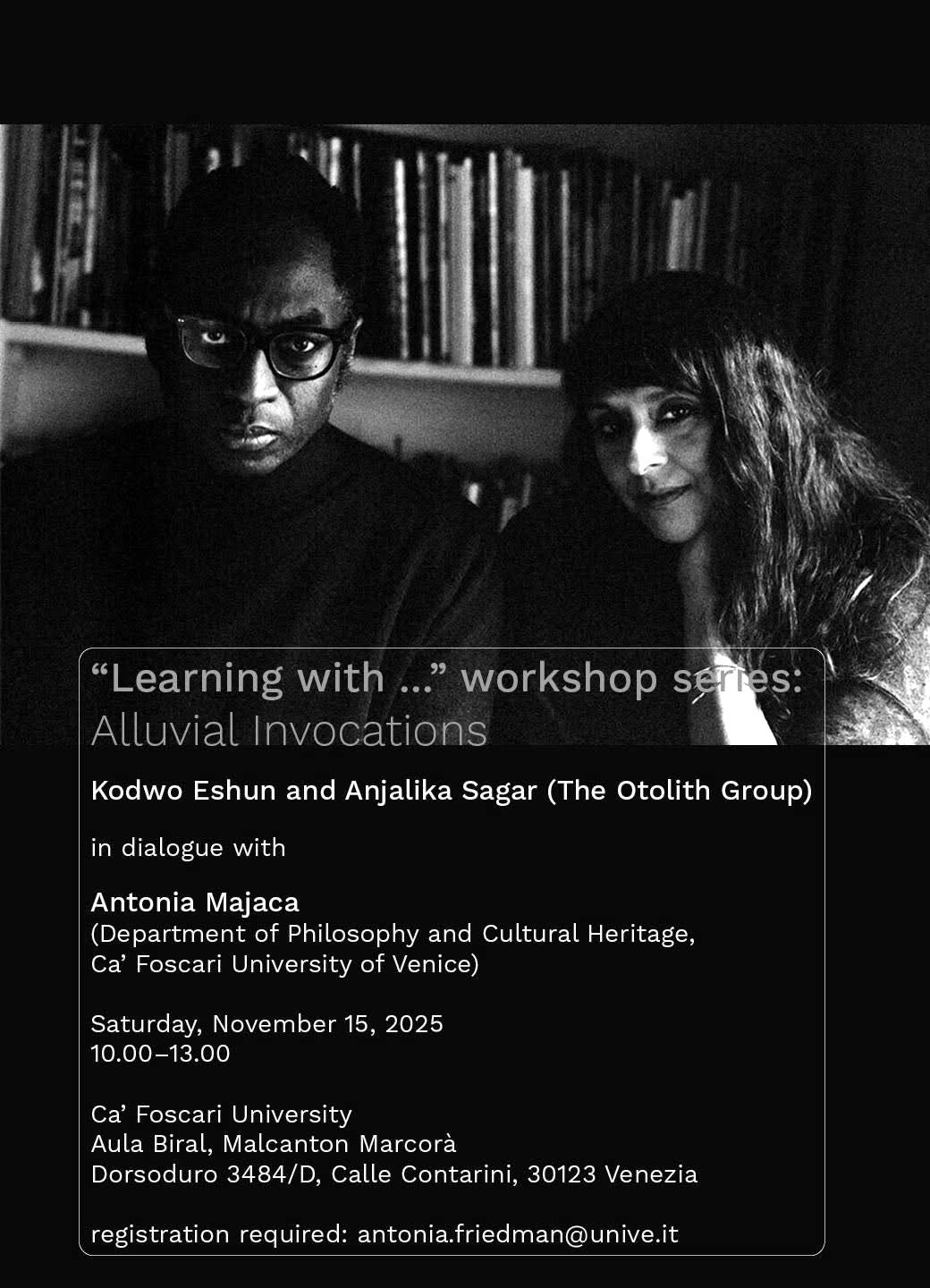
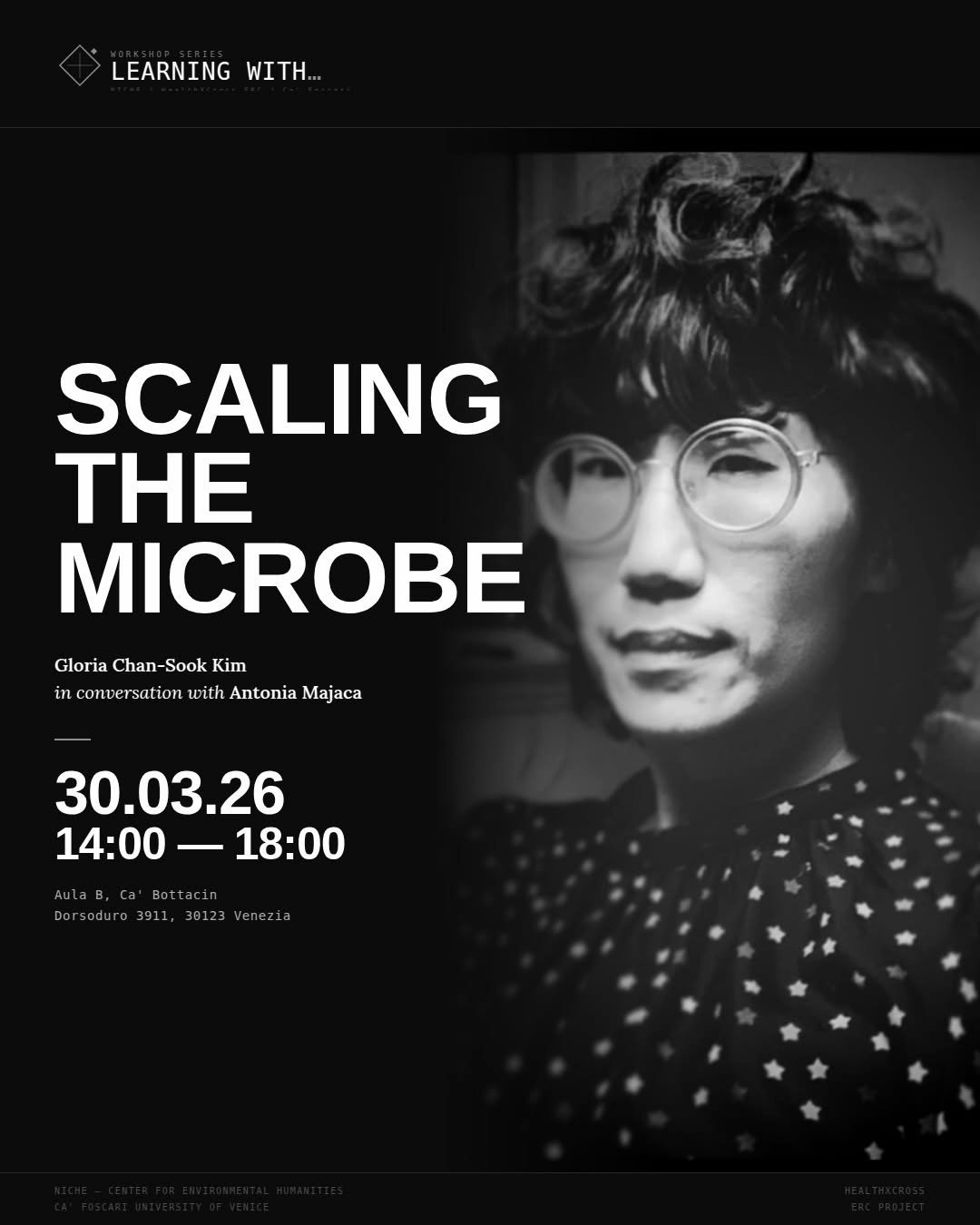
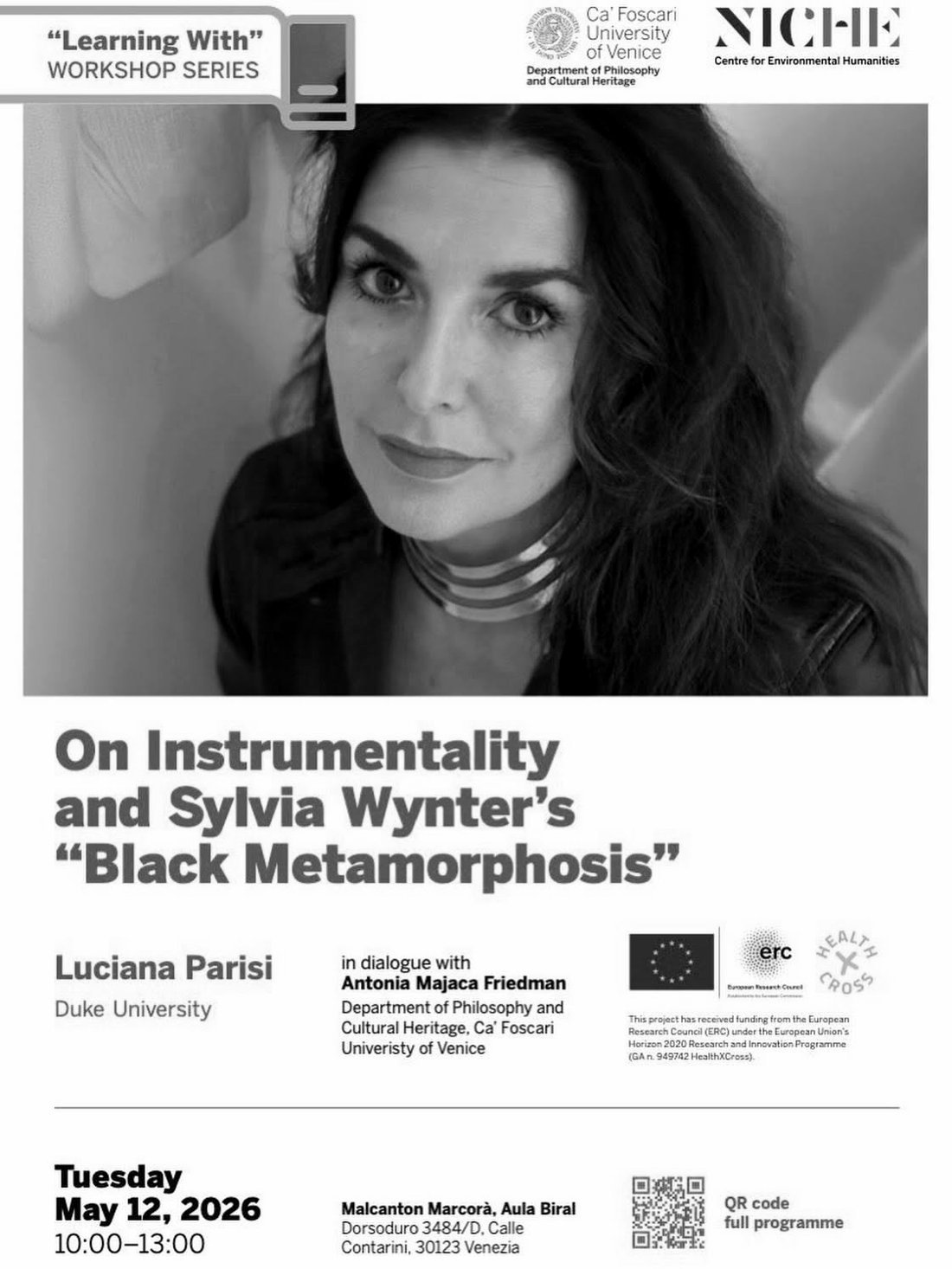
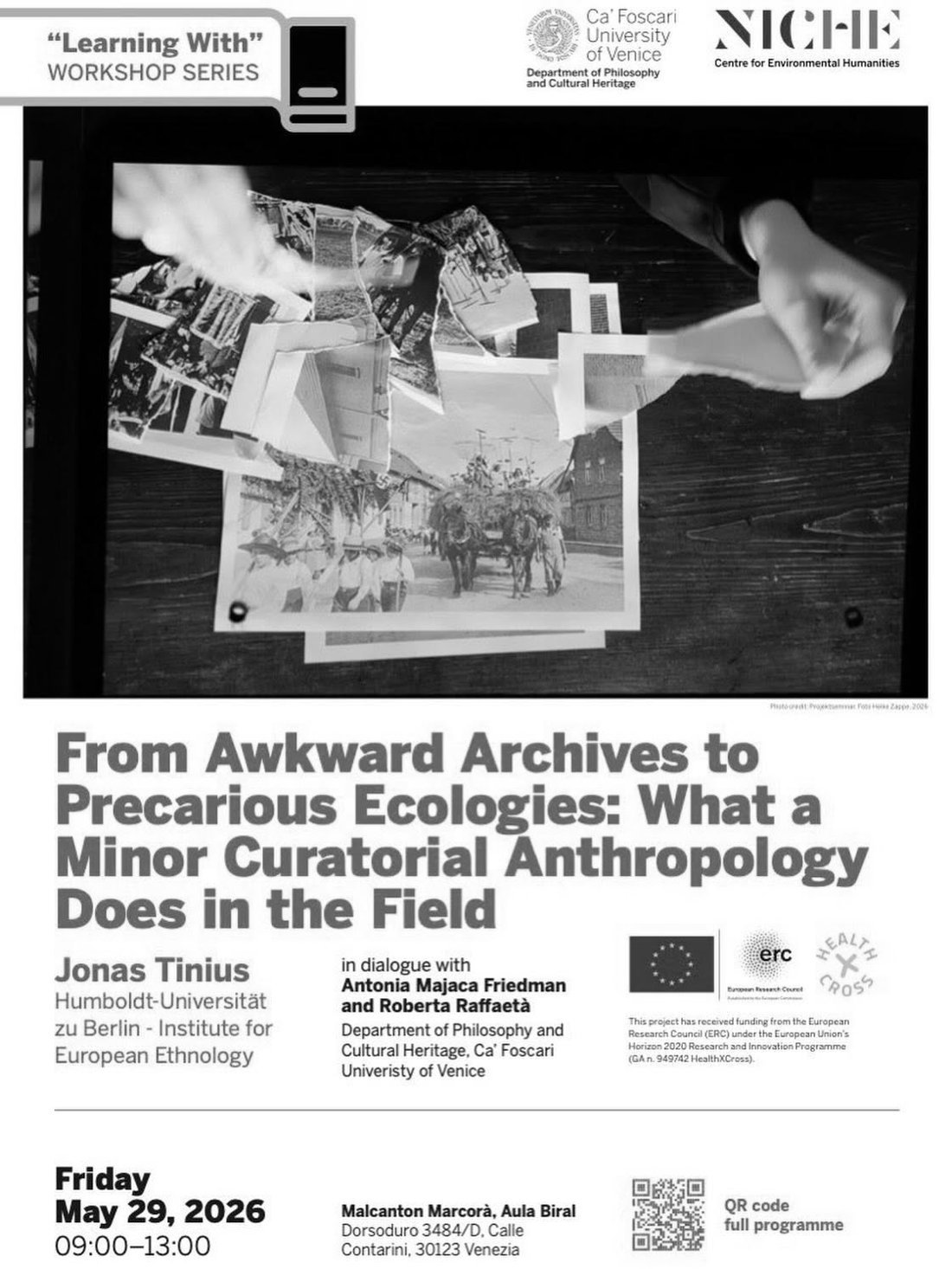
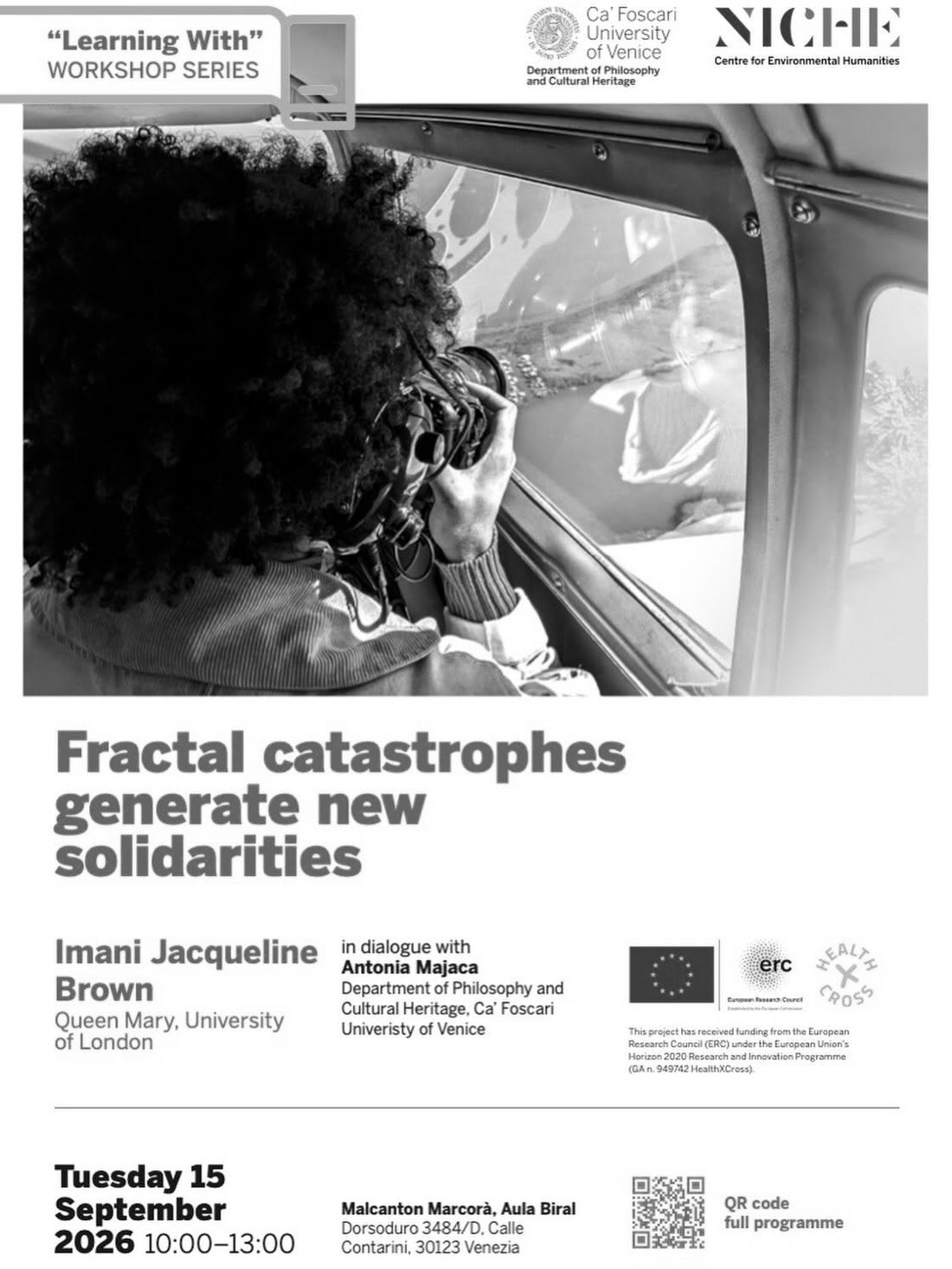
An experimental workshop series and the working method of the Radical Epistemologies research cluster. Each session lasts three hours: a guest presents a text or work in progress for forty-five minutes, the convenor responds first, and the discussion opens to the room. Sessions to date: The Otolith Group, Alluvial Invocations (November 2025); Andrea Núñez Casal in dialogue with Antonia Majaca, Manuals of Immuno(i)logical Possibilities: Embassy Letters, Biocapital, and the Microbiomisation of Difference (5 March 2026); Gloria Chan-Sook Kim, Scaling the Microbe (March 2026); Khadija von Zinnenburg Carroll in dialogue with Wietske Maas, On Finding a Centrifugal Force, on the Repatriates Collective and the Tide of Returns exhibition (April 2026); Luciana Parisi, On Instrumentality and Sylvia Wynter’s “Black Metamorphosis” (May 2026); Jonas Tinius, From Awkward Archives to Precarious Ecologies (May 2026); Camilla Hawthorne, The Black Mediterranean and Racial Capitalism (July 2026); Imani Jacqueline Brown, Fractal Catastrophes Generate New Solidarities (September 2026); Mayanthi L. Fernando, Secularity and the Deanimation of Nature (October 2026).
The Otolith Group, 15.11.2025Gloria Chan-Sook Kim, 30.3.2026Luciana Parisi, 12.5.2026Jonas Tinius, 29.5.2026Camilla Hawthorne, 14.7.2026Imani Jacqueline Brown, 15.9.2026
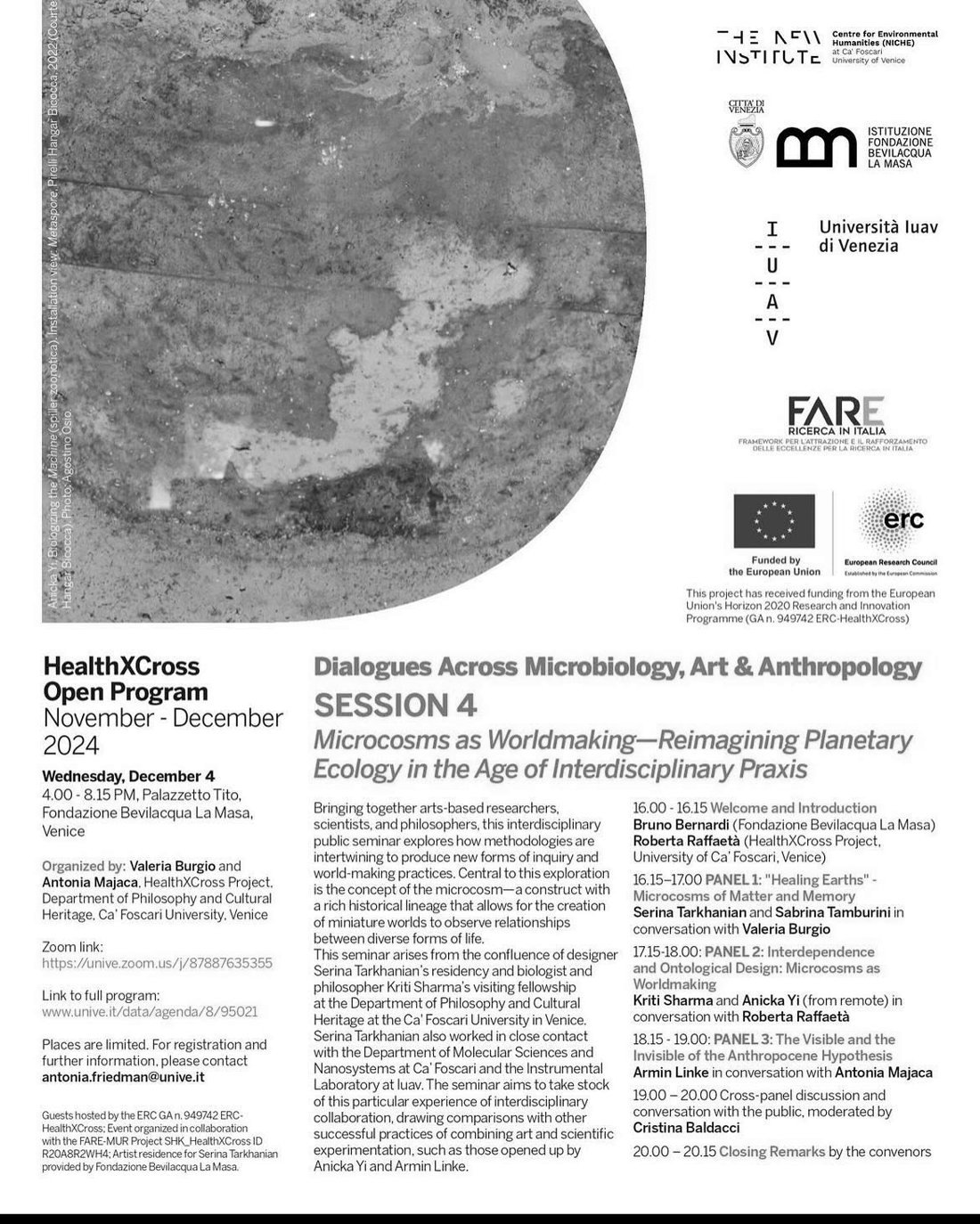
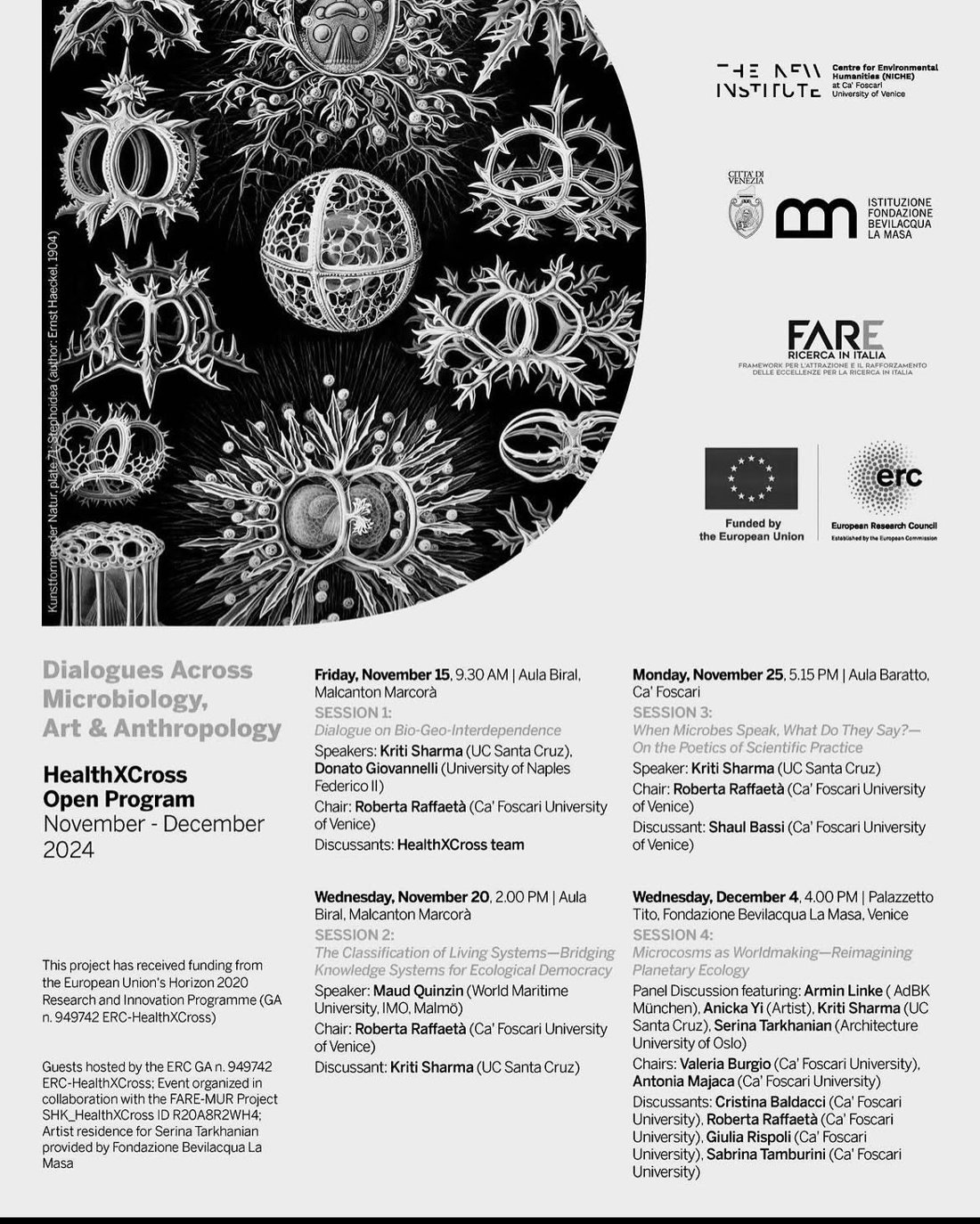
Microcosms as Worldmaking, programme, 4 December 2024HealthXCross Open Program, November–December 2024
2024Microcosms as Worldmaking: Reimagining Planetary Ecology in the Age of Interdisciplinary Praxis
Fondazione Bevilacqua La Masa, Venice, 4 December 2024, with Ca’ Foscari and Università Iuav di Venezia
Co-organiser, with Valeria Burgio
A public seminar bringing designer Serina Tarkhanian, biologist and philosopher Kriti Sharma, artists Anicka Yi and Armin Linke and researchers from Ca’ Foscari and Iuav into one programme on the microcosm as a construct for observing relations between forms of life. Majaca chaired the day with Burgio and conducted the closing conversation with Armin Linke on the visible and the invisible of the Anthropocene hypothesis.
Texts
in progress“‘If in Less Nakedly Dominant Terms’: Sylvia Wynter’s Marx and the Metabolic Constitution of Man 2”. For a special issue of Theory, Culture & Societyedited by Luciana Parisi and Denise Ferreira da Silva
forthcoming“Cryolite Fragments: A Crystal, a Love Story, an Incurable Tear”. With Kriti Sharma. Chapter in two voices on the mineral cryolite. In the De Gruyter Reader in Feminist Media Theory, edited by Alexandra Juhasz and Alex Martinis Roe
forthcoming“Unheilbar: Marx’s Incurable Wound and the Politics of Metabolic Composition”. In the Geoanthropology volume, Political Epistemology series, Springer
2026“How Much Fascism in the Maximum Power Principle”. e-flux journal 165, September 2026
2025“Mud Epistemology: Gender, Metabolism, and Marx’s Unfinished Revolution”. e-flux journal 157, October 2025
Teaching
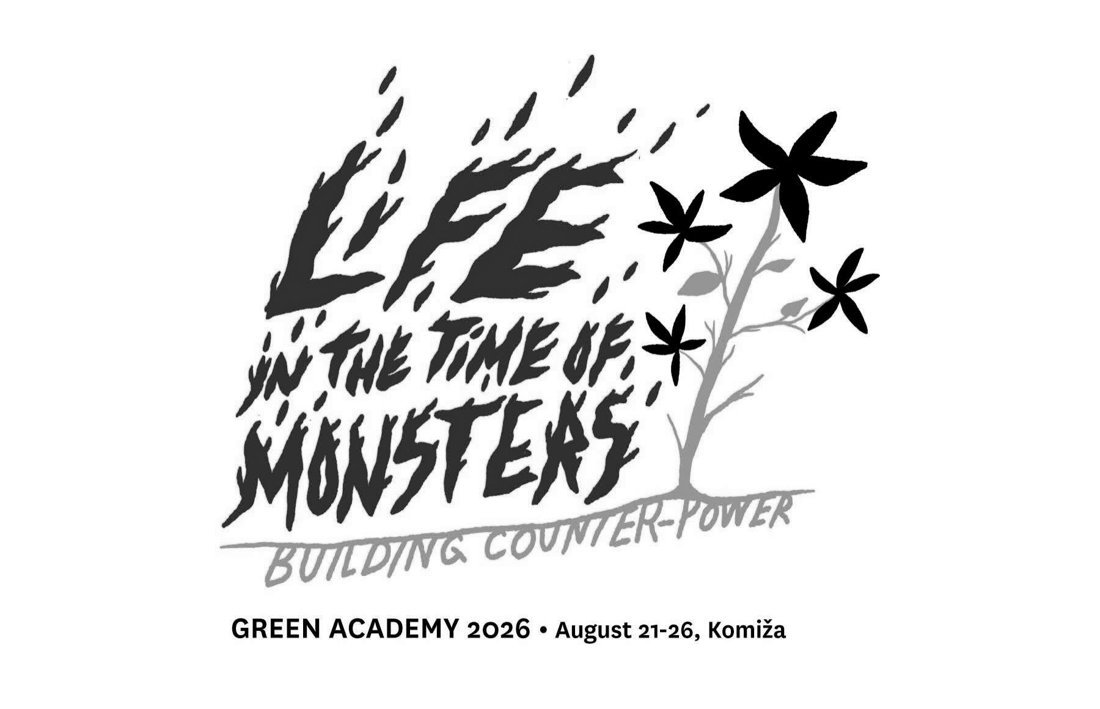
2026Feminist political ecology module, Subsistence, Abundance, Metabolic Commons. Three sessions in the KOOPERATIVA strand, 10th Green Academy, Institute for Political Ecology, Komiža, Vis, 21–26 August
Talks
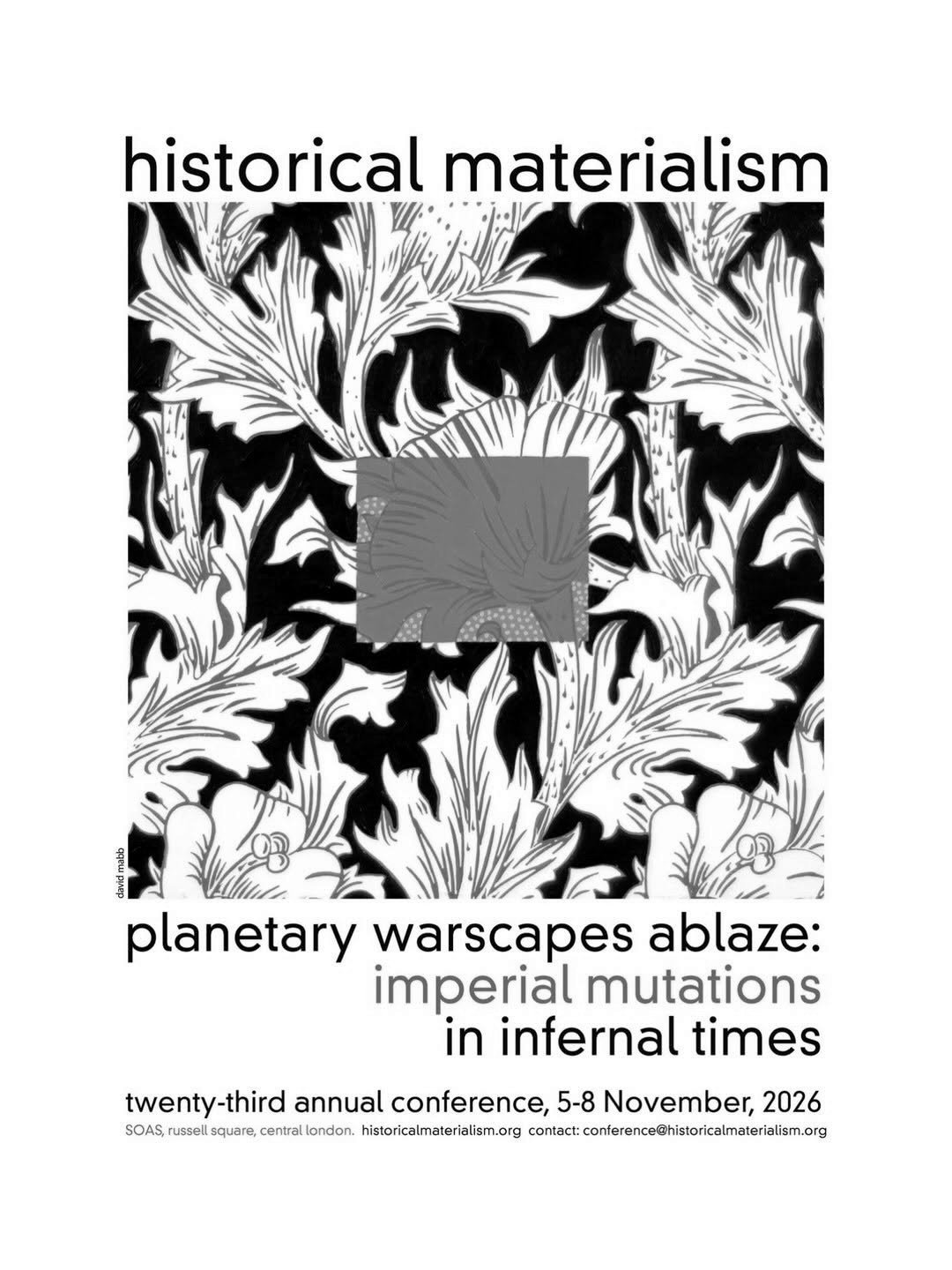
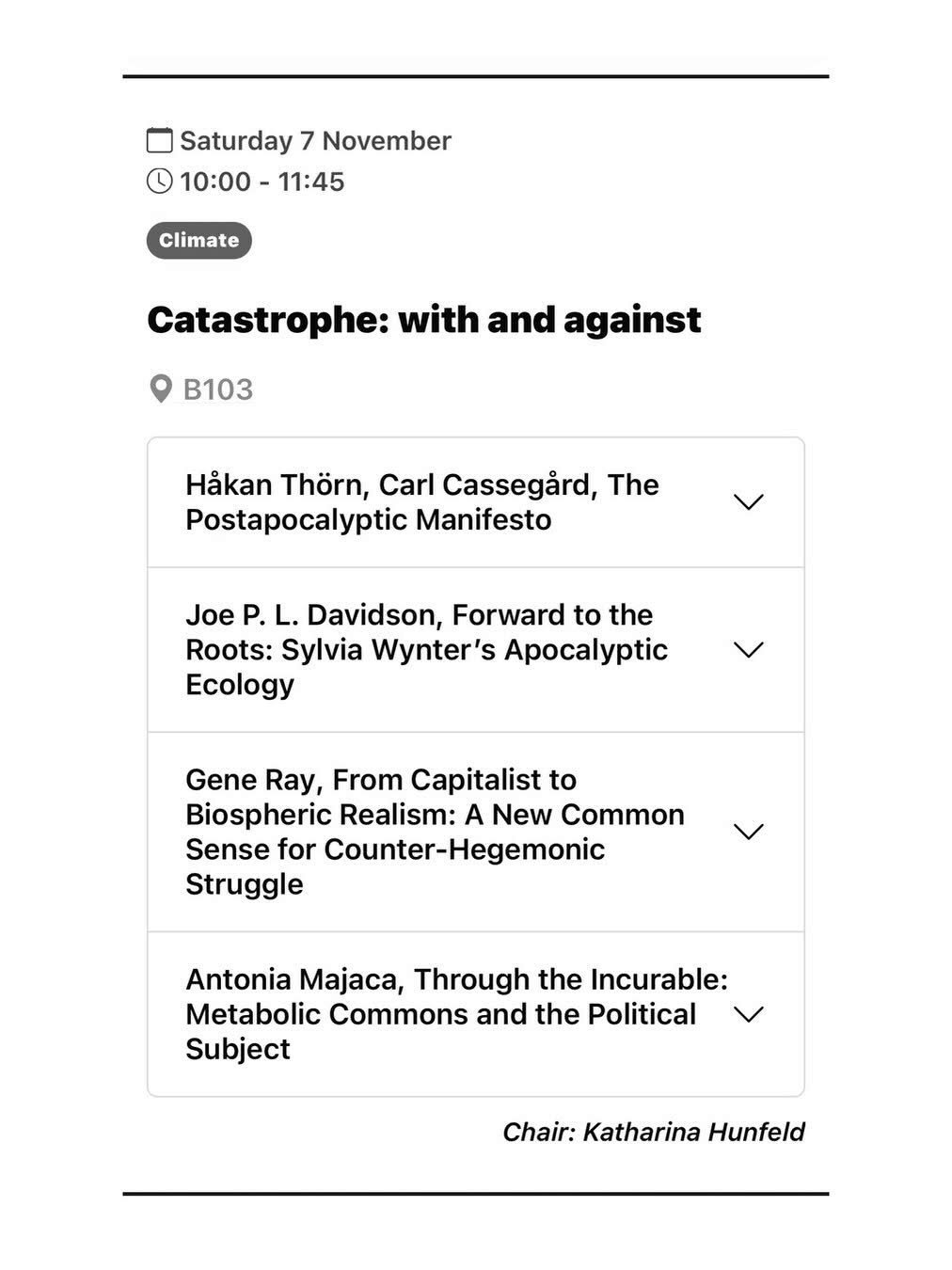
2026Historical Materialism Annual Conference. SOAS, London, November. Paper on “Through the Incurable”
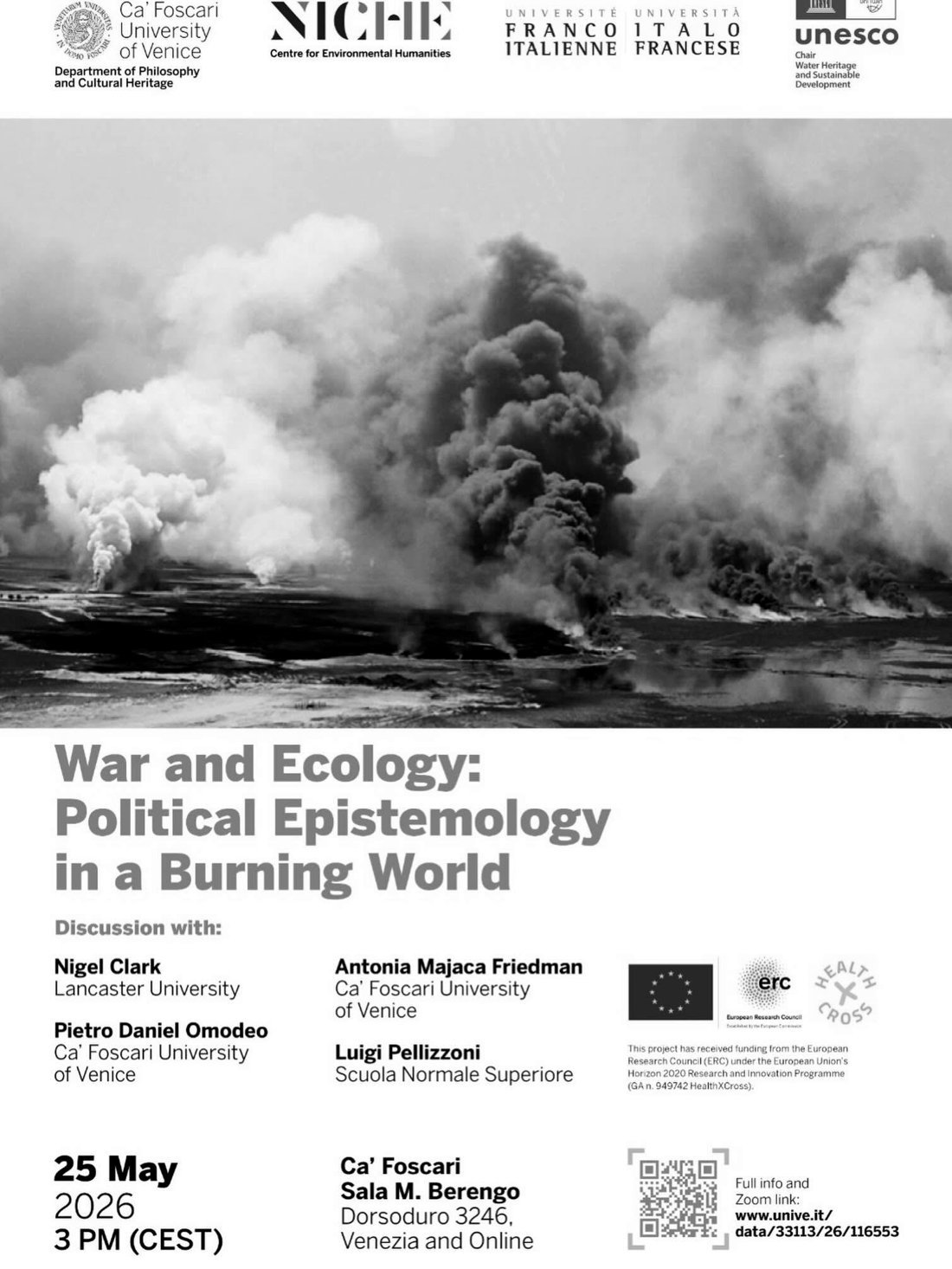
2026Discussion, War and Ecology: Political Epistemology in a Burning World. Ca’ Foscari, 25 May. With Nigel Clark, Pietro Daniel Omodeo and Luigi Pellizzoni
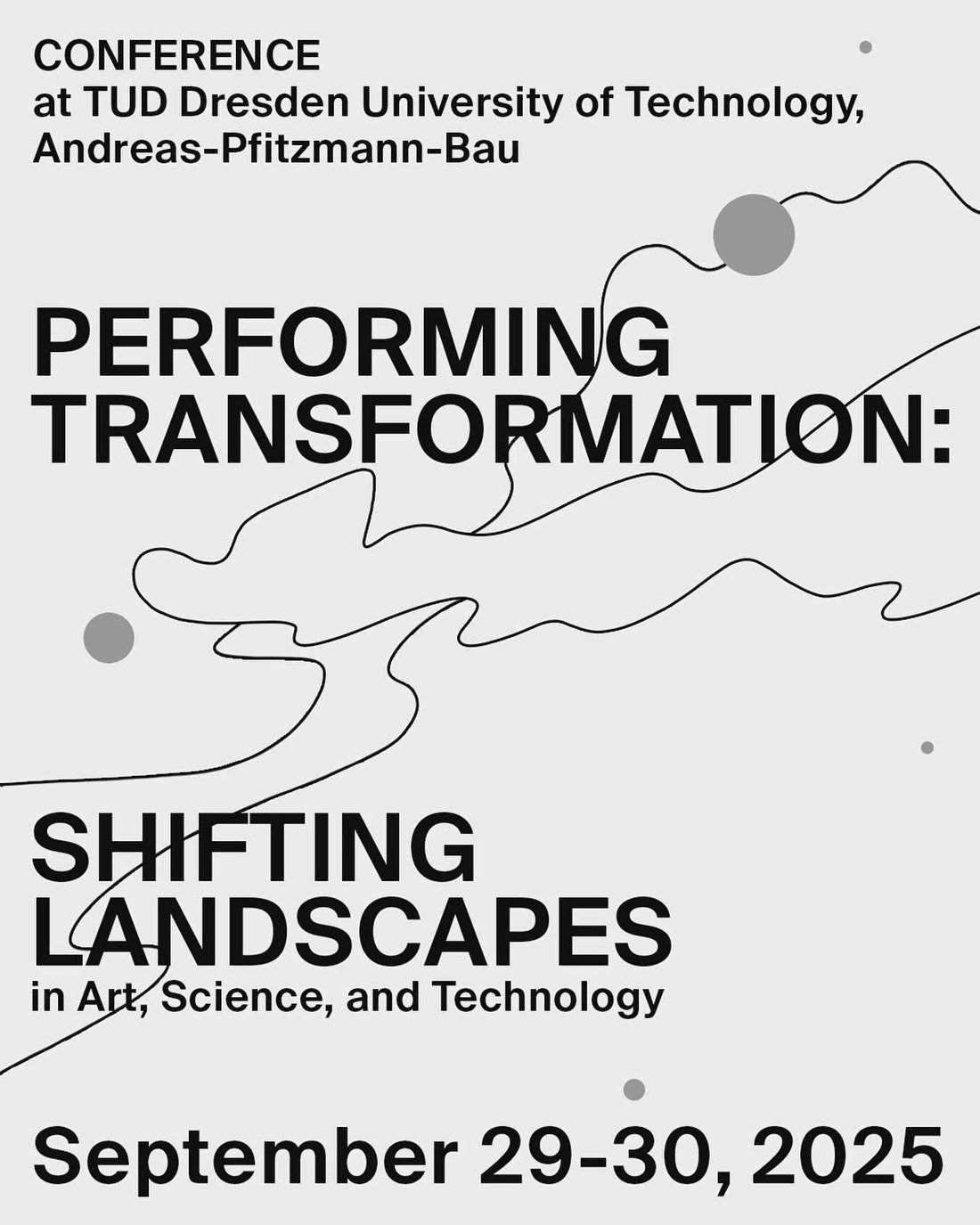
2025Keynote, “What Is Radical Epistemology?”. Performing Transformation: Shifting Landscapes in Art, Science, and Technology, TUD Dresden University of Technology, 29–30 September. Convened by Özgün Eylül İşcen
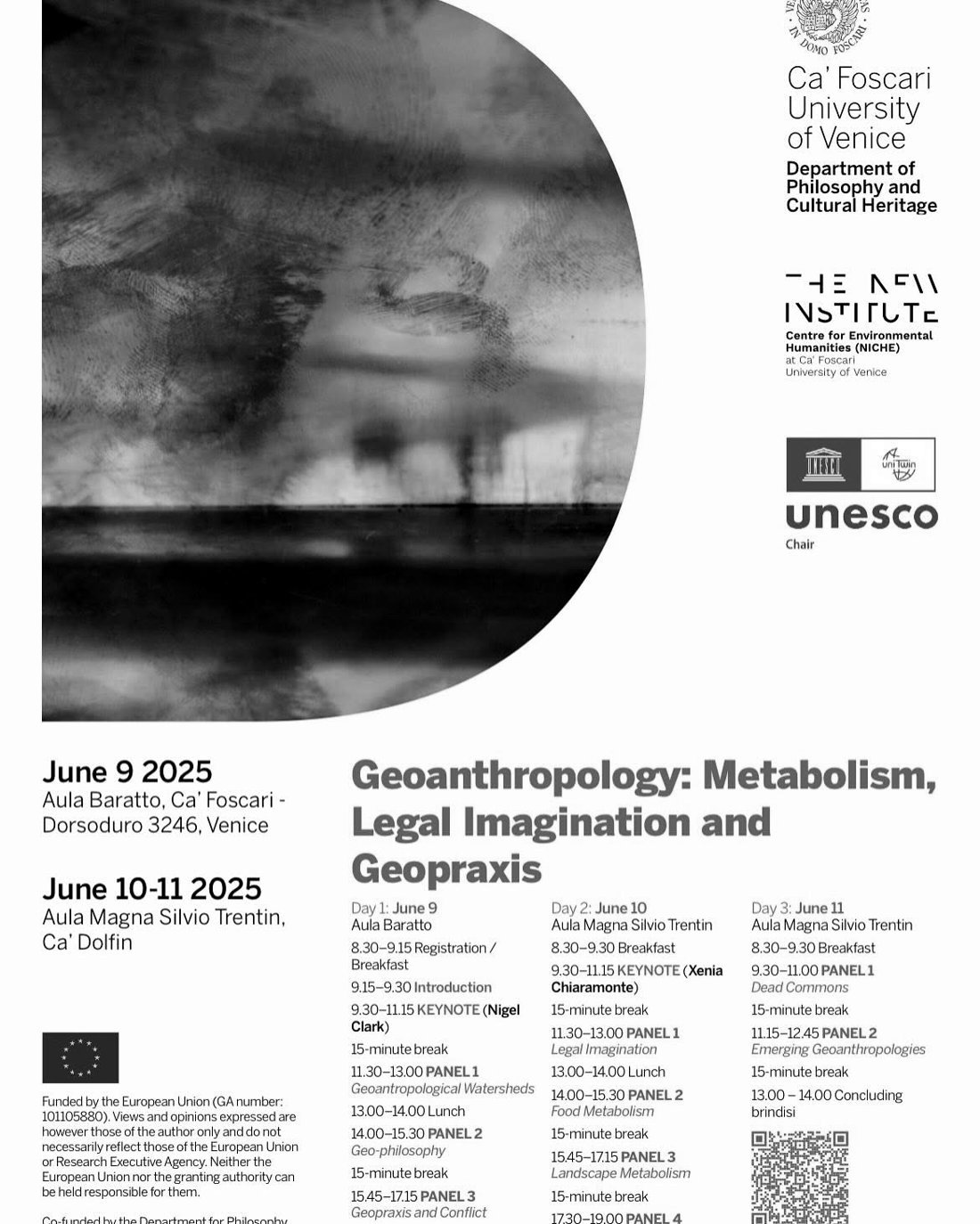
2025“Mud Marx: Feminist Geopraxis for the Symbiocene”. Geoanthropology: Metabolism, Legal Imagination and Geopraxis, Ca’ Foscari, 11 June
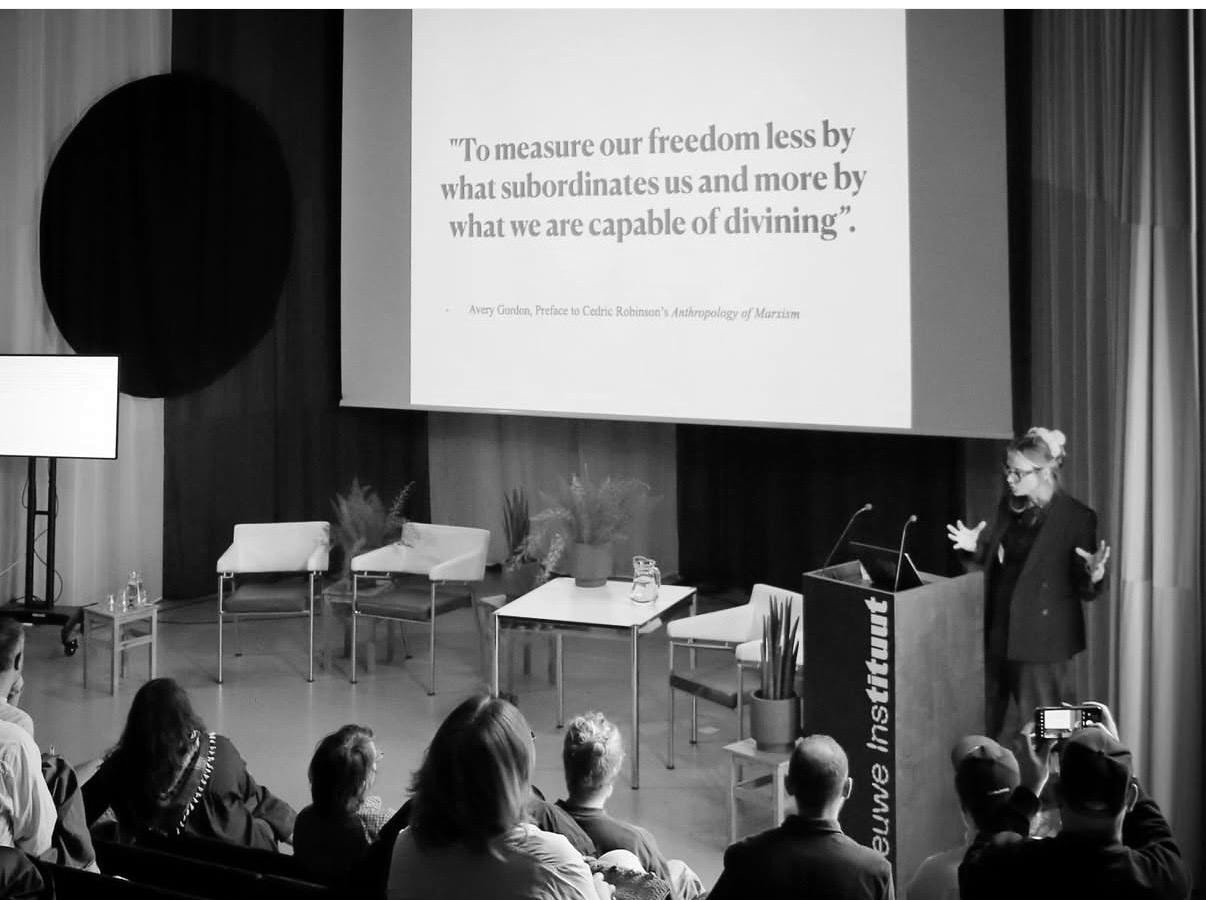
Geoanthropology, Ca’ Foscari, 2025Performing Transformation, TU Dresden, 2025War and Ecology, Ca’ Foscari, 25 May 2026Green Academy 2026, Komiža, 21–26 AugustHistorical Materialism conference, SOAS, 5–8 November 2026Catastrophe: with and against, HM panel, 7 November 2026
2
What is contemporary art?
2013–
What is contemporary art as a genre, and what does curating endorse when it endorses? This strand reads the art world as a symptom, the place where capital displays the conditions of its own visibility and disavows them. The Croatian Pavilion of 2024, made by the means at hand, is the practice that tests the critique from inside.
Exhibitions
2024Vlatka Horvat, By the Means at Hand
Croatian Pavilion, 60th International Art Exhibition, La Biennale di Venezia, 20 April – 24 November 2024. Restaged at Kunstinstituut Melly, Rotterdam, April 2027
Curator
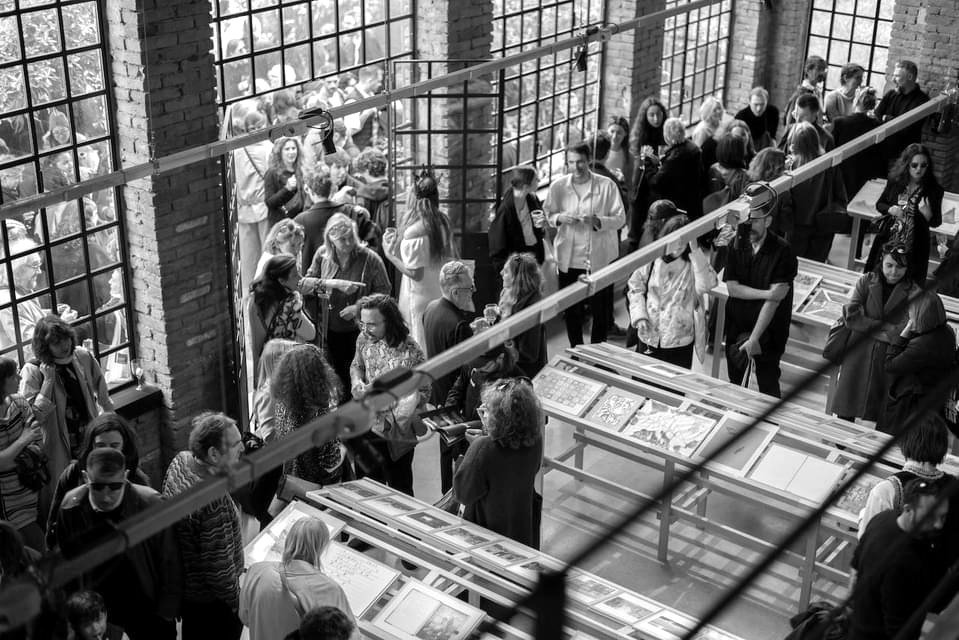
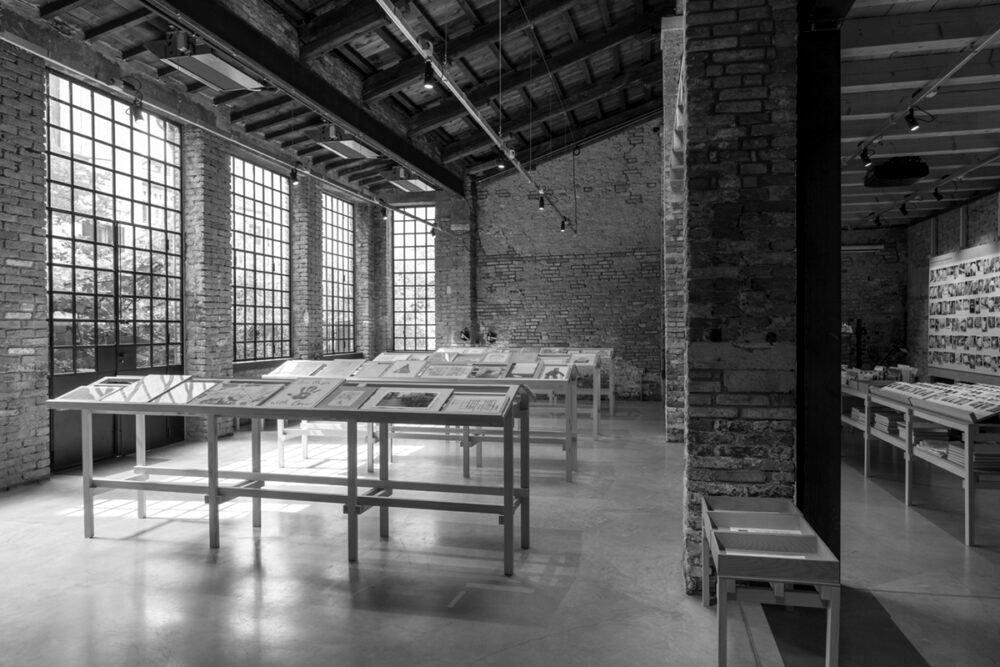
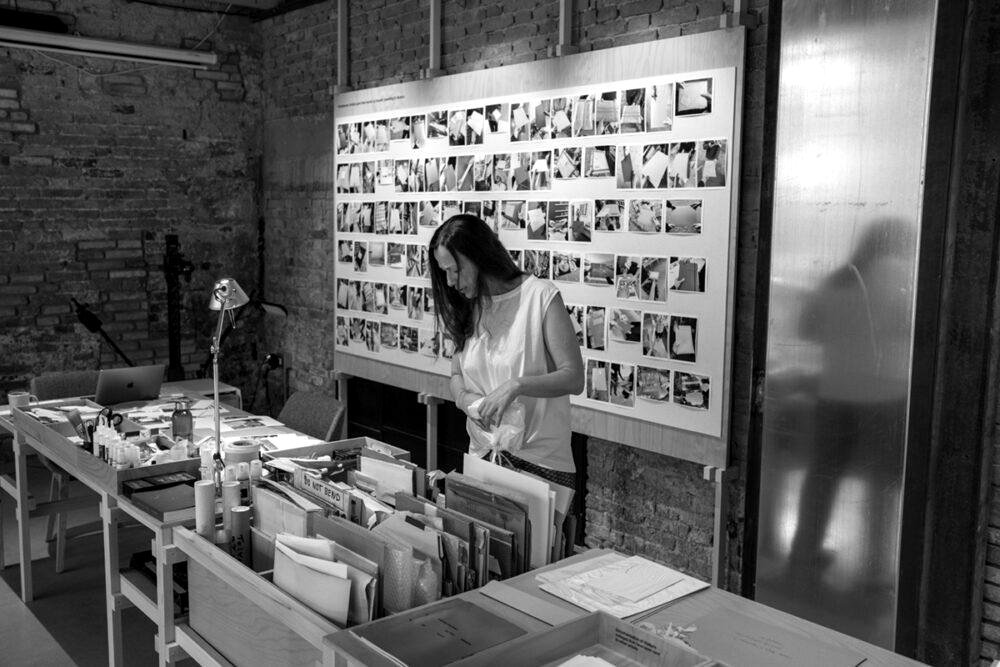
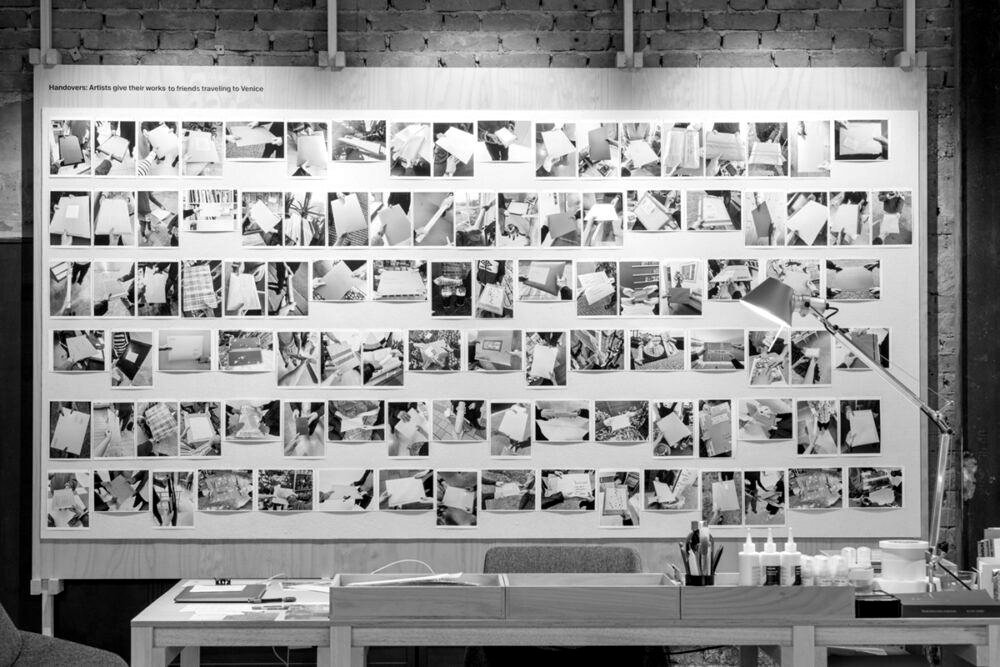
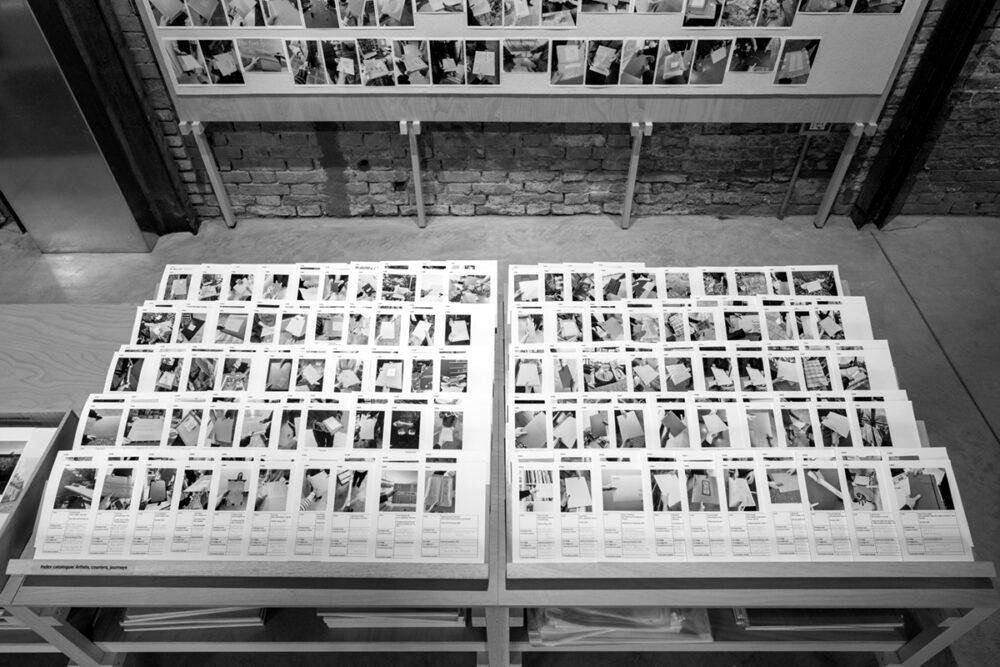
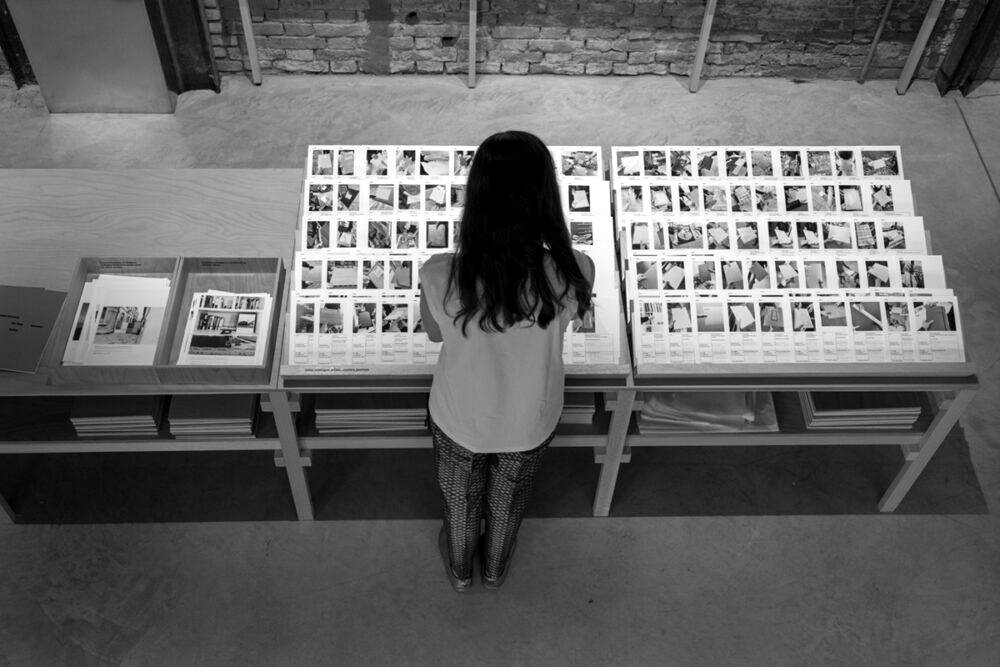
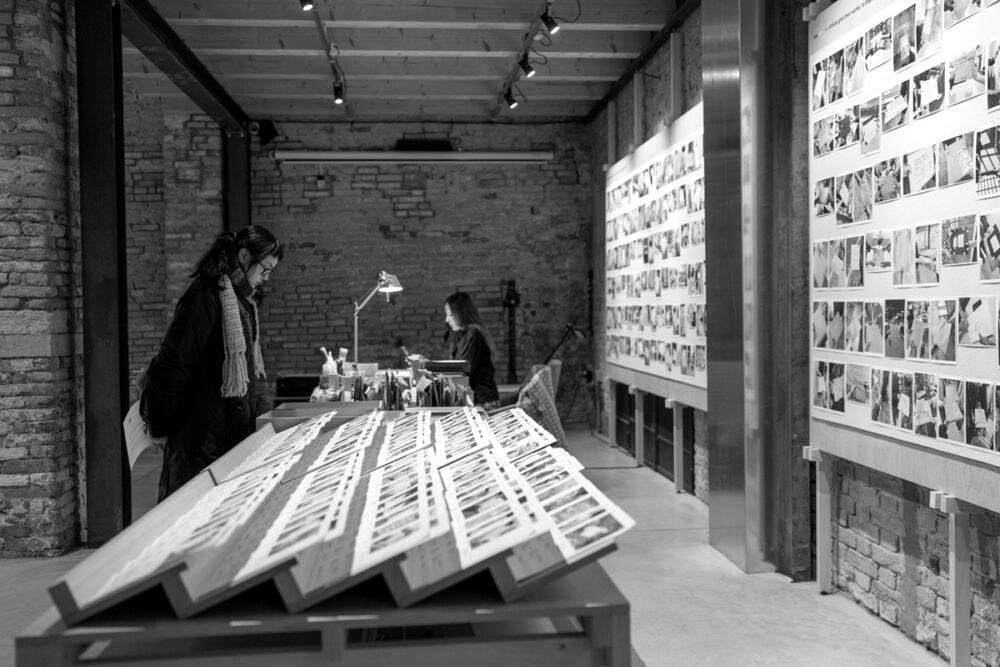
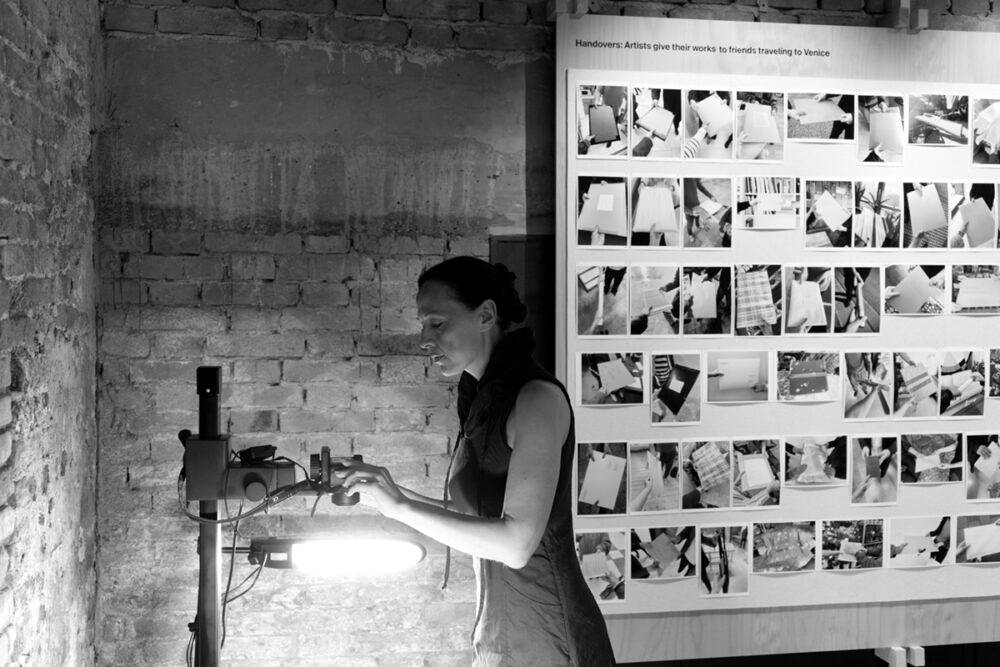
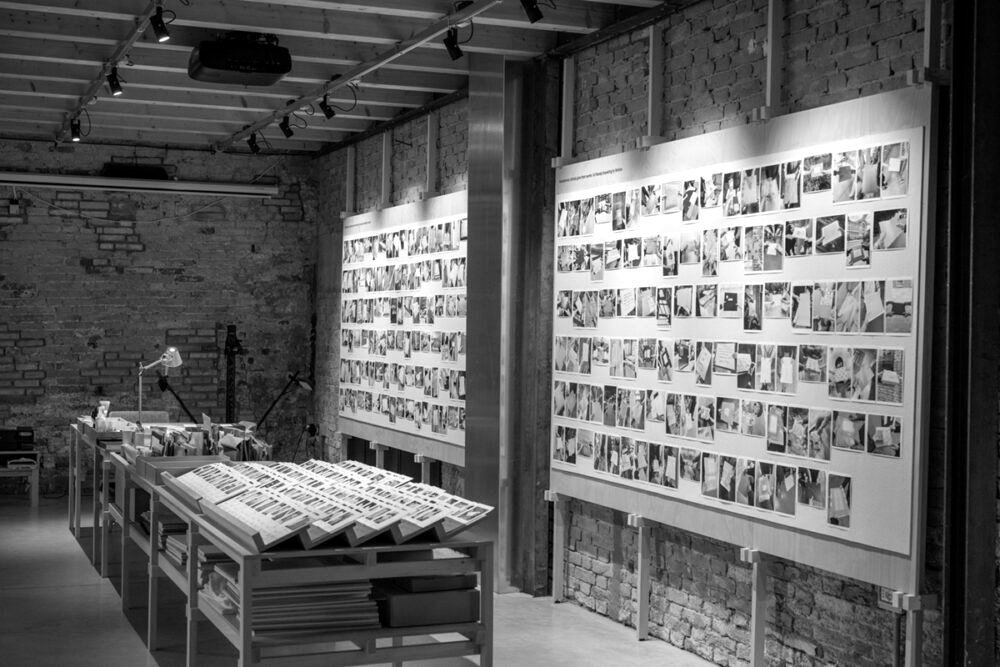
Horvat’s project for the Croatian Pavilion was built on informal exchange rather than shipping: artists living away from their countries of origin were invited to send works to Venice by whatever means were at hand, carried by friends, colleagues and strangers who happened to be travelling, and received works by Horvat in return by the same routes. The pavilion changed over the seven months of the exhibition as pieces arrived, and the logistics of the art world were replaced by a gift economy conducted through personal networks. Curatorial work covered research, editing and production; the Rotterdam restaging at Kunstinstituut Melly (forthcoming) will be accompanied by a one-day conference on gift exchange, alternative economies and art degrowth.
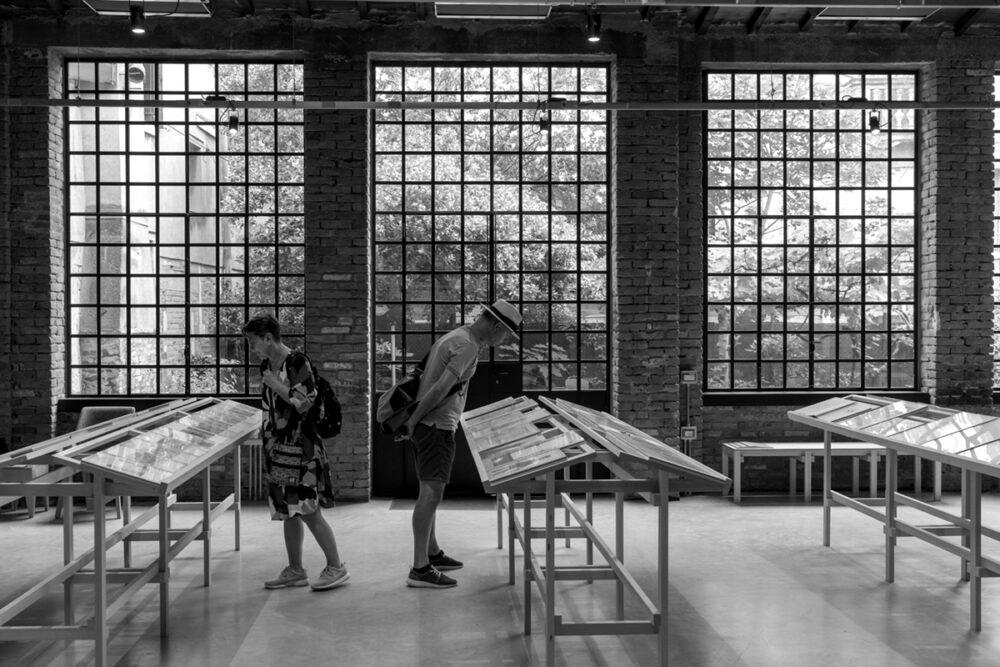
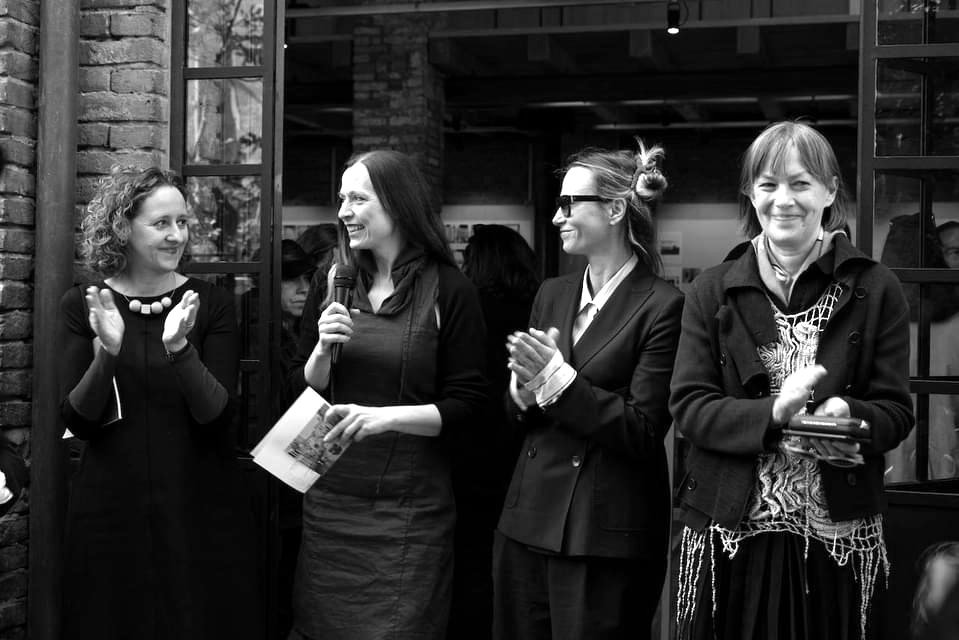
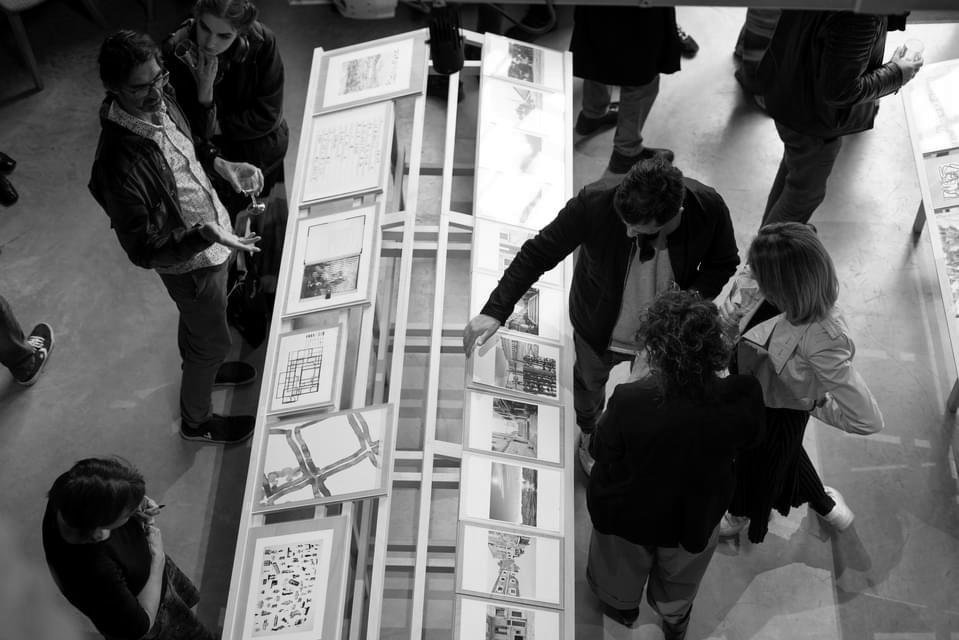
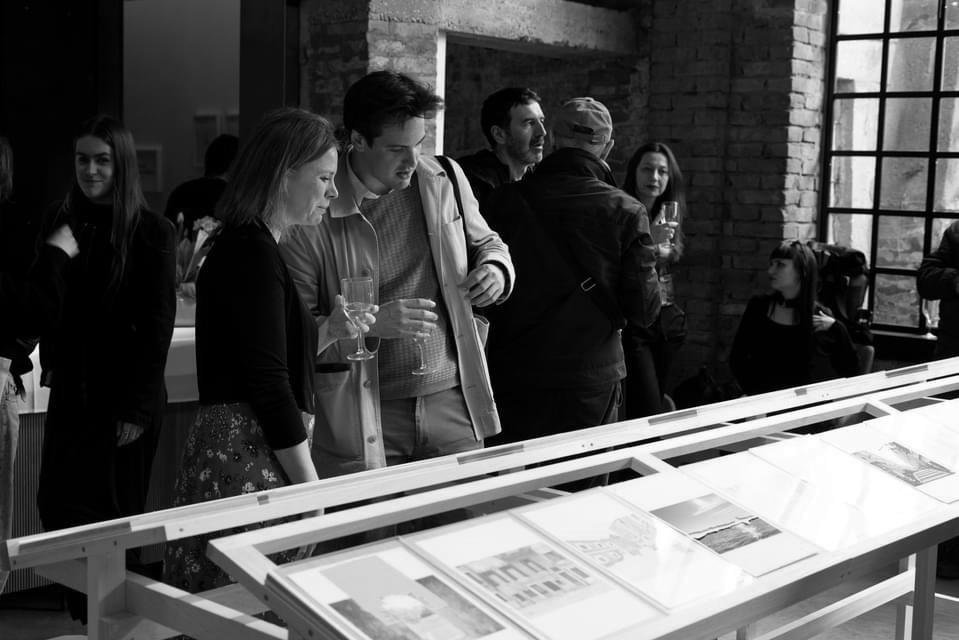
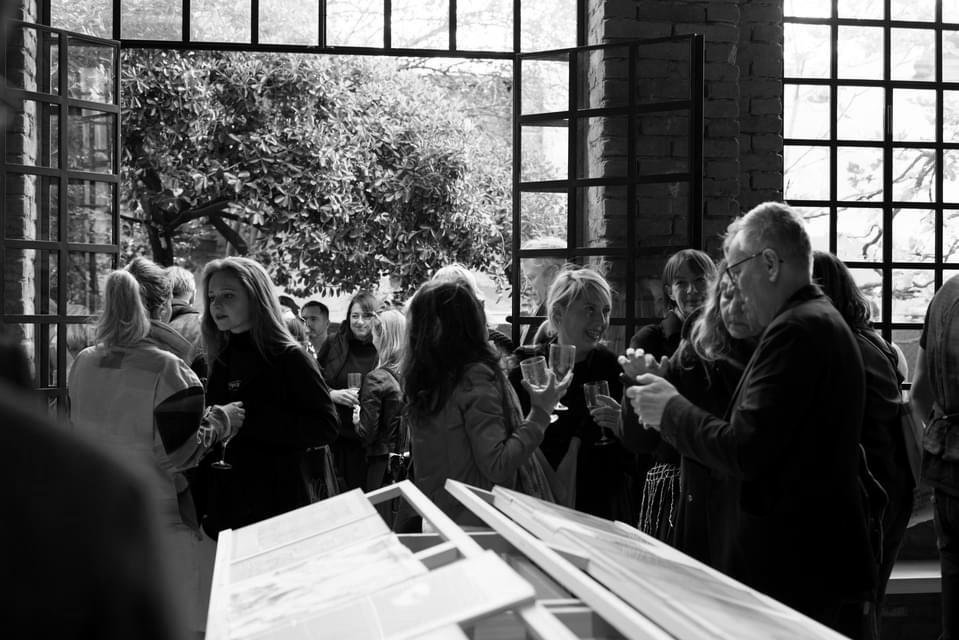
Croatian Pavilion, Fàbrica 33, Venice, 2024. Photo: Hugo GlendinningVlatka Horvat at the wall of arrivals. Photo: Hugo GlendinningDocumentation of the works handed over, as they arrived. Photo: Hugo GlendinningWorks arrived by the means at hand. Photo: Hugo GlendinningVisitors at the tables, 2024. Photo: Hugo GlendinningWorks on the tables. Photo: Hugo GlendinningCroatian Pavilion, 2024. Photo: Hugo GlendinningCroatian Pavilion, 2024. Photo: Hugo GlendinningThe pavilion as studio. Photo: Hugo GlendinningCroatian Pavilion, 2024. Photo: Hugo GlendinningOpening of the Croatian Pavilion, 18 April 2024: Vlatka Horvat speaking, with Antonia MajacaOpening, Fàbrica 33, April 2024Opening, April 2024Opening, April 2024Opening, April 2024
Texts
2026“What Did the Golden Lion Die Of? On Judgment and Disavowal at the Venice Biennale”. e-flux Notes, May 2026
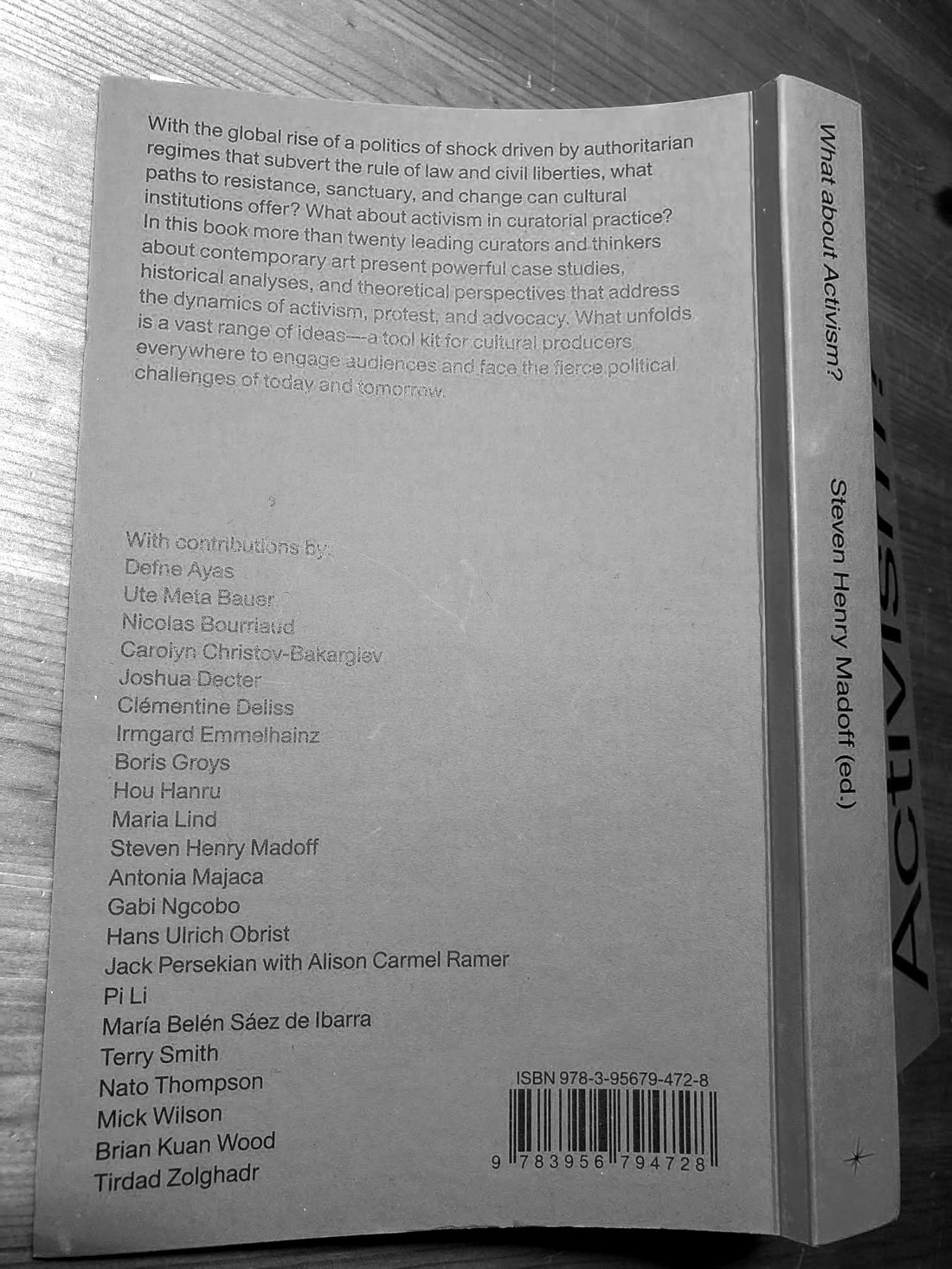
2019“A Pledge to an Impossible Analysis”. In What About Activism?, ed. Steven Henry Madoff, Sternberg Press
2013“The Exhibition as a Classroom of Difficult Questions”. With Ivana Bago. Manifesta Journal 15, ed. Nataša Petrešin-Bachelez
Teaching
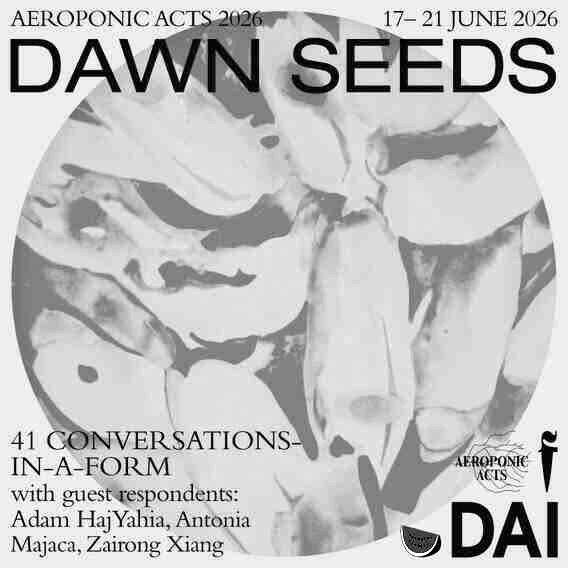
2026Guest respondent, Aeroponic Acts 2026: Dawn Seeds. Dutch Art Institute, Centrale Fies, Dro, 17–21 June. Curated by Elisa Giuliano, convened by Gabriëlle Schleijpen; with Adam HajYahia and Zairong Xiang
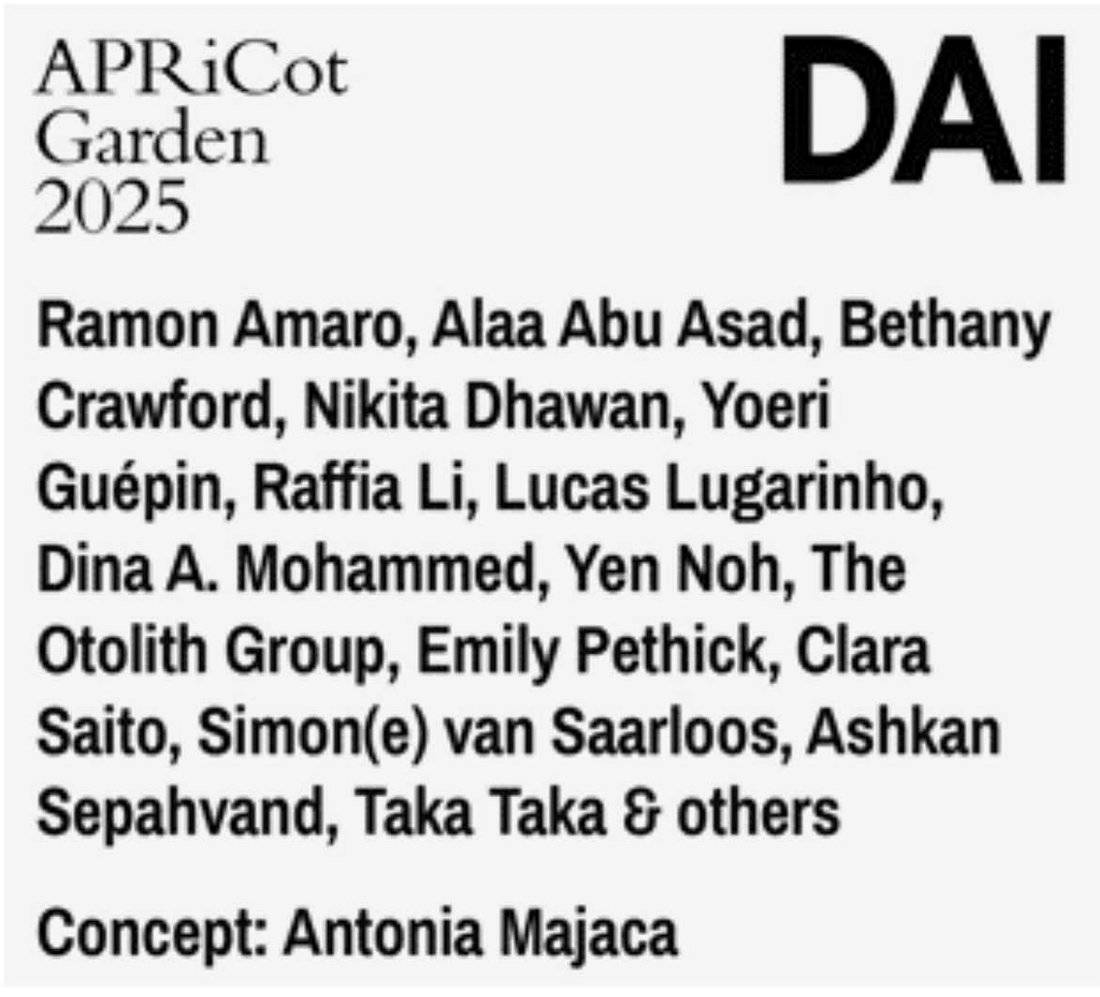
2025Tutor and guest curator, APRiCot Garden. Dutch Art Institute
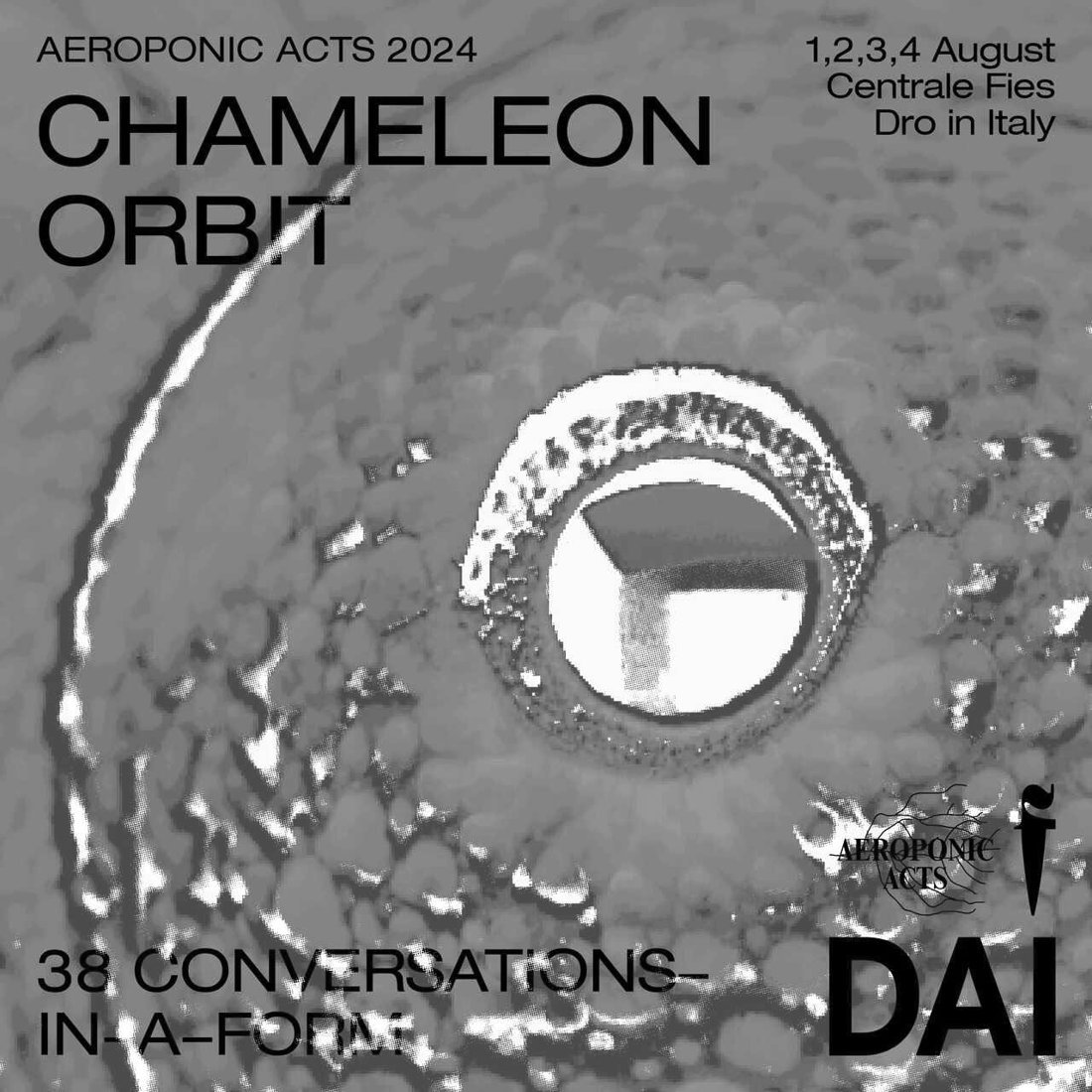
2024Respondent, Aeroponic Acts 2024: Chameleon Orbit. Dutch Art Institute
2019Lecture and seminar, The Minus Object 3.0: Artistic Intelligence and the Cosmotechnical Epistemic Revolution. Academy of Fine Arts, Prague, 23–24 May. With TBA21
Talks
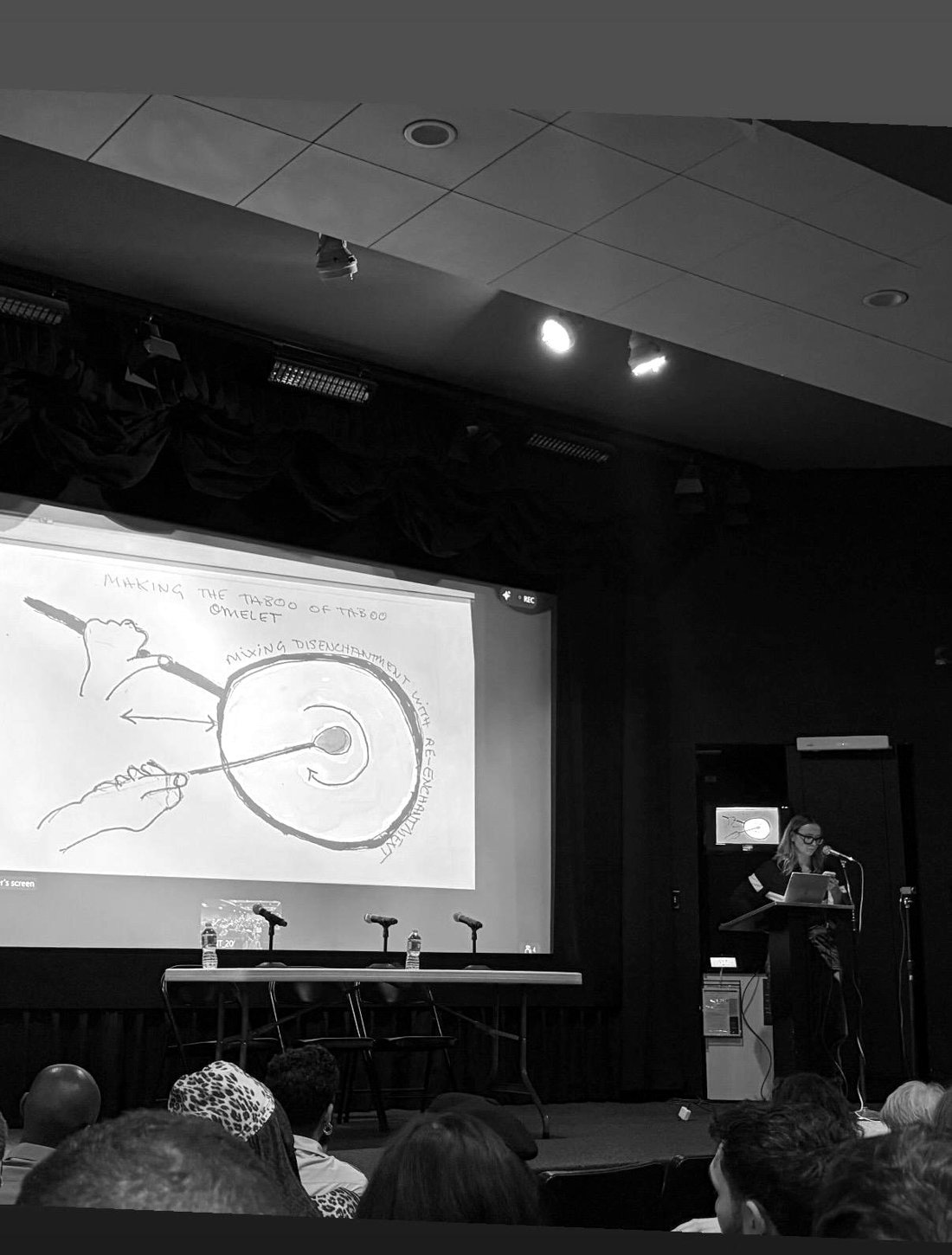
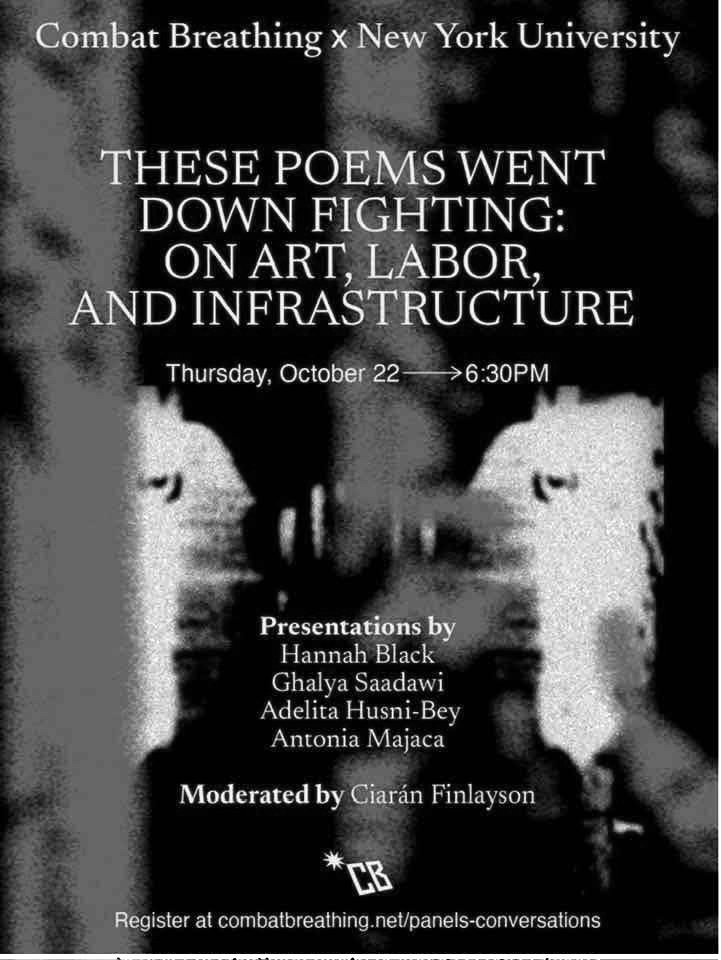
2026“Humming in the Imperial Church of Art”. Panel “These Poems Went Down Fighting,” Combat Breathing Vol. II: A Symposium on Aesthetics and Politics, Critical Praxis Collaborative, New York University, 22 October. Curated by KJ Abudu and Adam HajYahia. Unpublished
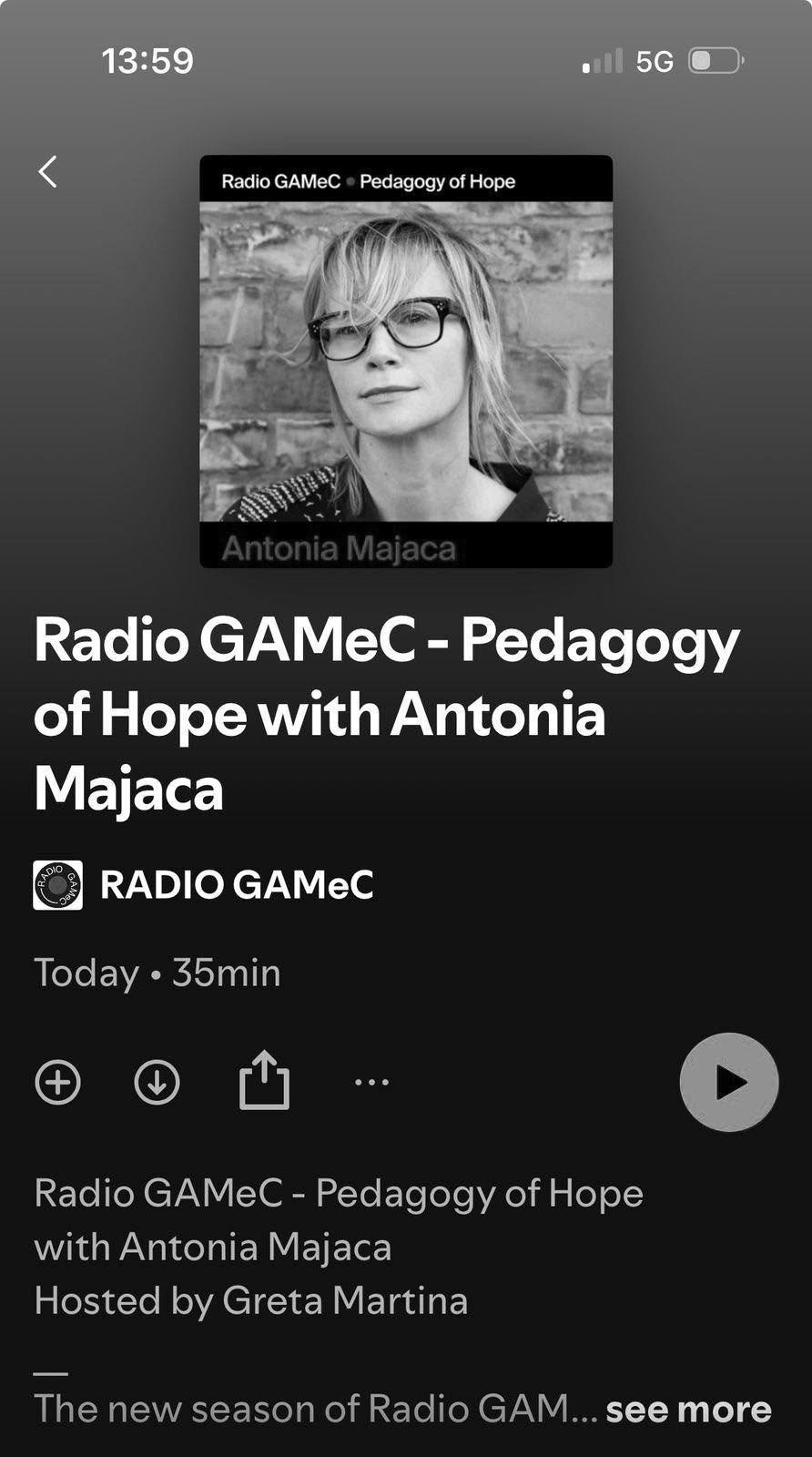
2026Radio interview, Pedagogy of Hope. Radio GAMeC, hosted by Greta Martina; a collateral event of the 61st Venice Biennale
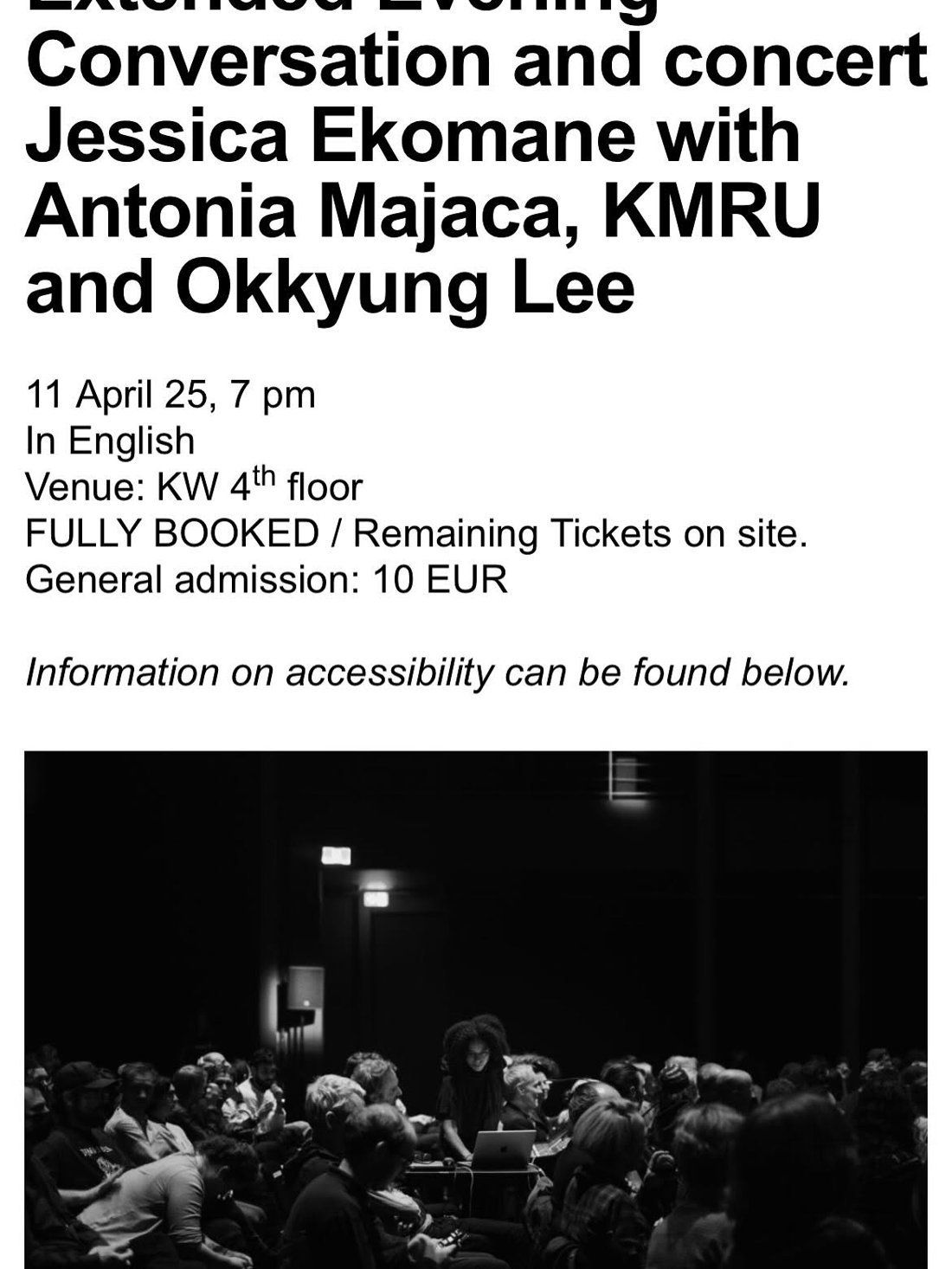
2025In conversation with Jessica Ekomane, on the politics of rhythm and alternative temporalities. Extended Evening, on the occasion of Ekomane’s exhibition Antechamber, KW Institute for Contemporary Art, Berlin, 11 April
2019Symposium, Art in Dataspace. Inside the Data Room: A Digitology of the Art Space. Liechtenstein Pavilion, 58th Venice Biennale, Museo Correr, Venice, 11 May
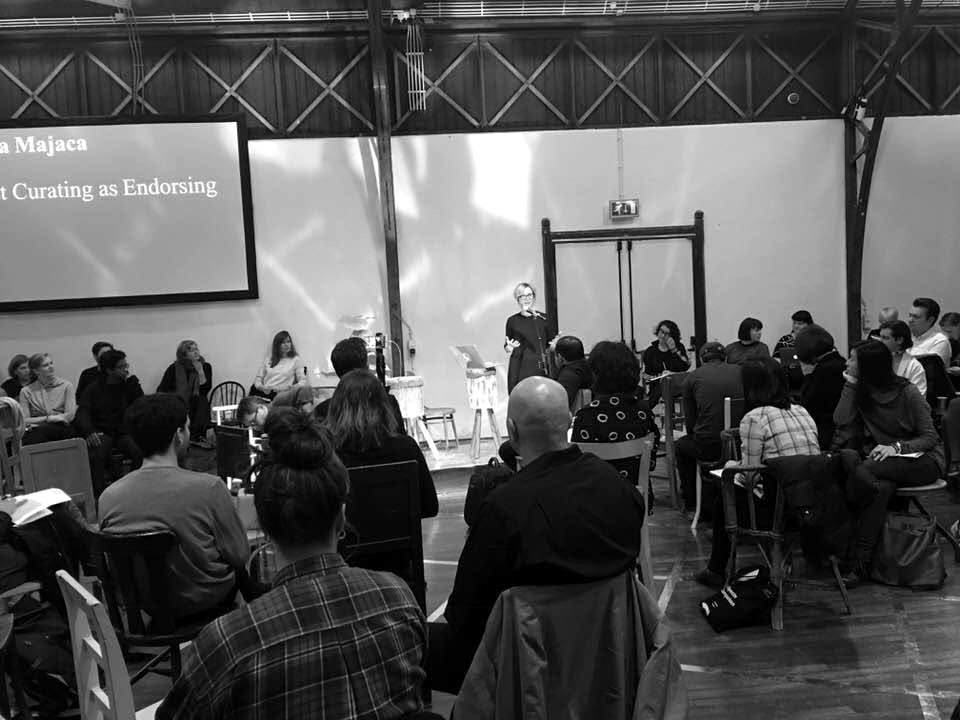
2017“Against Curating as Endorsing”. Symposium Humans of the Institution, Veem House for Performance, Amsterdam, with the University of Bergen, 25–27 November
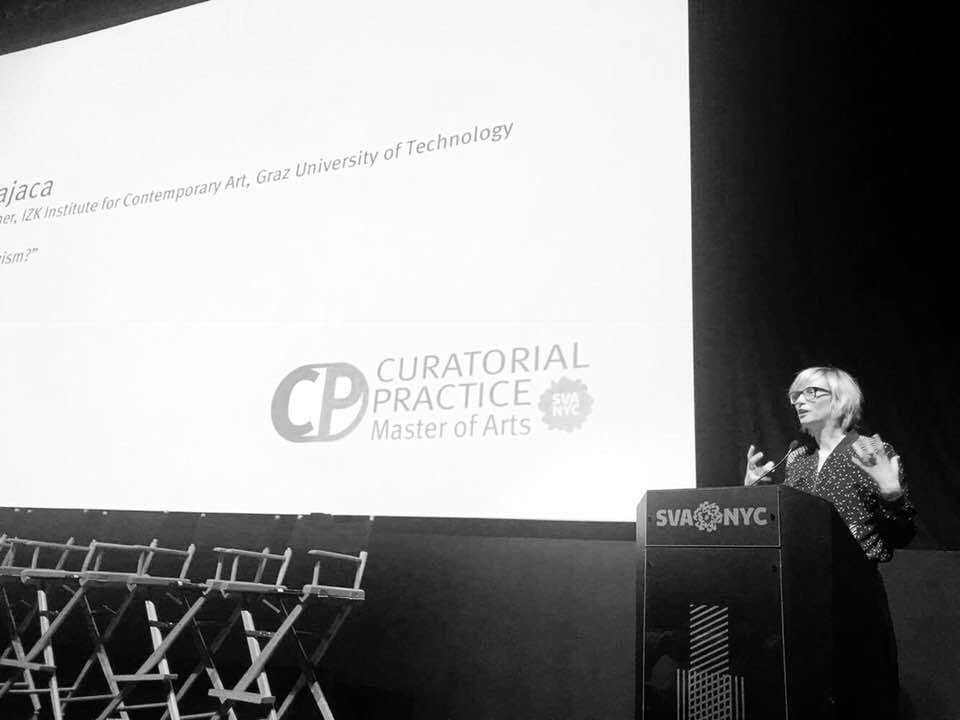
2017Talk, Curatorial Activism and the Politics of Shock. School of Visual Arts, New York, 18 November
2017Panel, The Institution in the Era of the Irreducible Present. Thyssen-Bornemisza Art Contemporary, Moderated by Daniela Zyman.
2012Curating Exchange. Press to Exit Project Space, Skopje
2012CIMAM Annual Conference. Istanbul
2007Centers, Contexts and Curating: Global Perspectives. ISE Cultural Foundation, New York
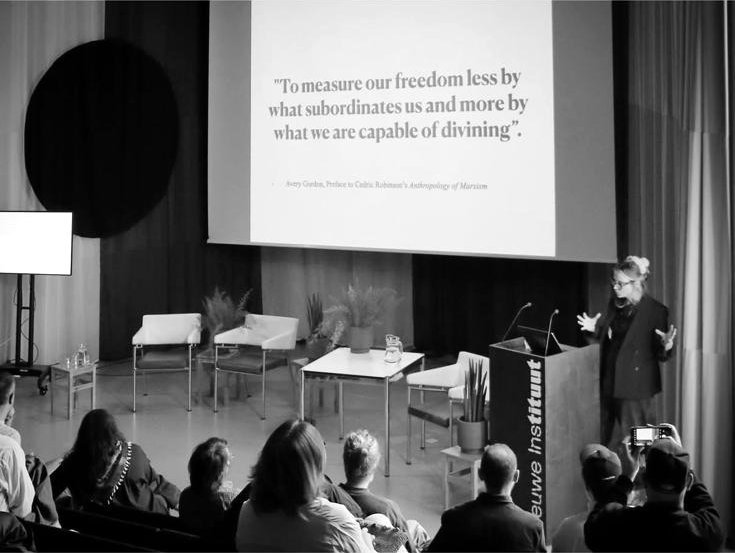
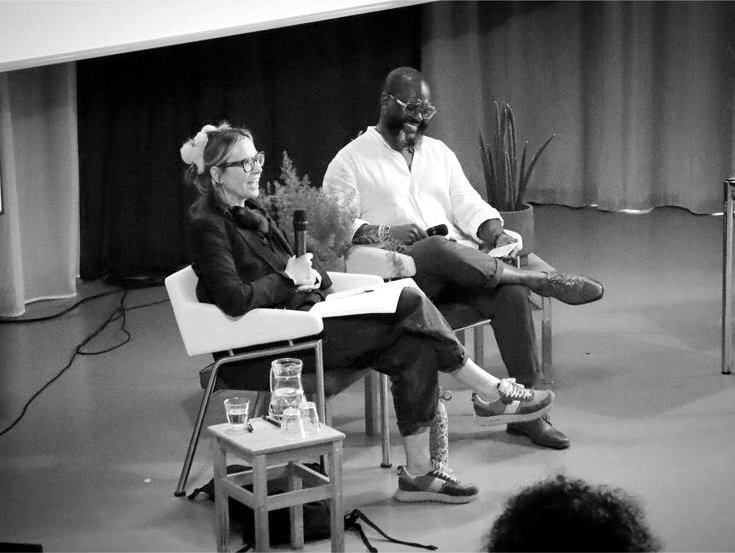
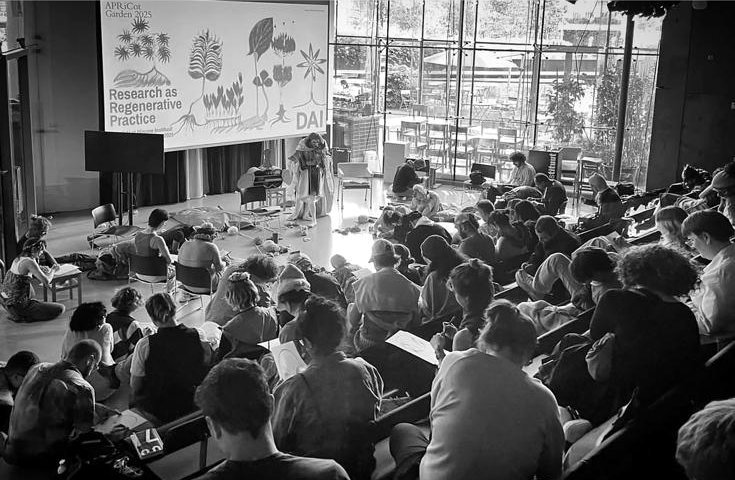
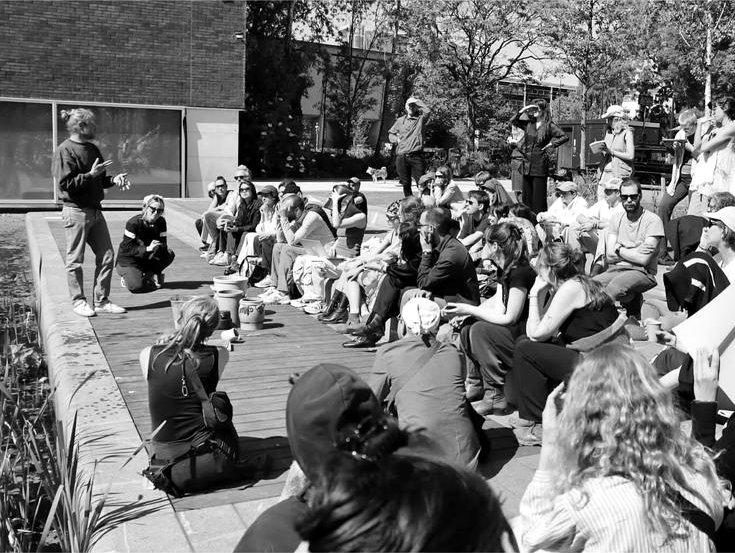
APRiCot Garden 2025, DAI; concept Antonia MajacaAPRiCot Garden, Nieuwe Instituut, Rotterdam, May 2025: opening lectureAPRiCot Garden, Rotterdam, 2025: in conversation with Ramon AmaroAPRiCot Garden, Research as Regenerative Practice, Nieuwe Instituut, 2025APRiCot Garden, Rotterdam, 2025APRiCot Garden, performance, Nieuwe Instituut, 2025Dutch Art Institute, faculty and guests, ArnhemAgainst Curating as Endorsing, Humans of the Institution, Veem House, Amsterdam, 2017Curatorial Activism and the Politics of Shock, School of Visual Arts, New York, 2017What About Activism?, SVA, 2017Art in Dataspace, Liechtenstein Pavilion, Museo Correr, Venice, 2019Radio GAMeC, Pedagogy of Hope, 2026Humming in the Imperial Church of Art, Combat Breathing x NYU, 22 October 2026These Poems Went Down Fighting, Combat Breathing x NYU, 22 October 2026Extended Evening with Jessica Ekomane, KW Berlin, 11 April 2025Aeroponic Acts: Dawn Seeds, DAI, 2026Aeroponic Acts: Chameleon Orbit, DAI, Centrale Fies, 2024
3
The Anthropocene as Planetary Computation
2019–26
Is the Anthropocene a hypothesis about the earth or the self-image of a technoscience that models what it has consumed? Incomputable Earth, published open access with twenty-three contributors, is the area’s main output and the passage from computation to metabolism.
Edited volumes
2025Incomputable Earth: Technology and the Anthropocene Hypothesis. Editor. Bloomsbury Academic, open access. Includes the introduction “Incomputable Earth: Reclaiming Abstraction.” Conceived with Marina Vishmidt
Texts
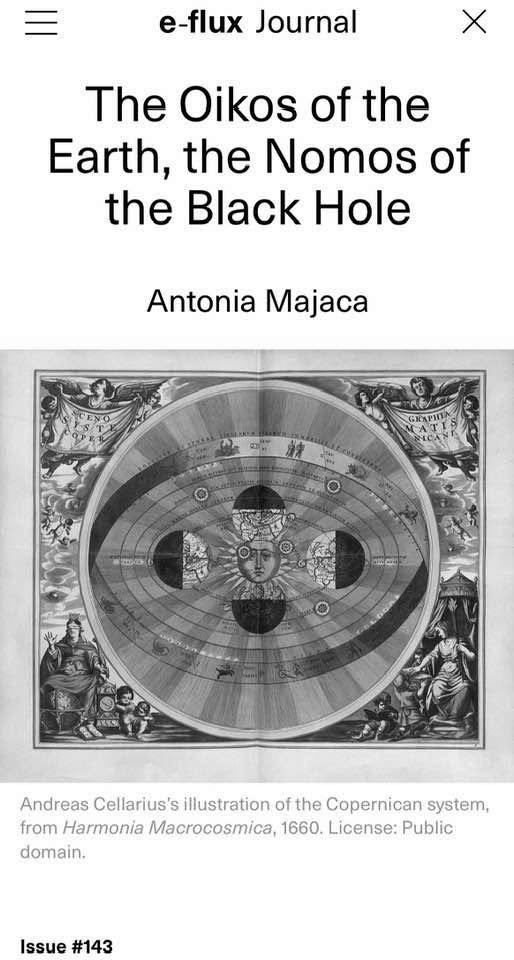
2024“The Oikos of the Earth, the Nomos of the Black Hole”. e-flux journal 143, March 2024
Talks
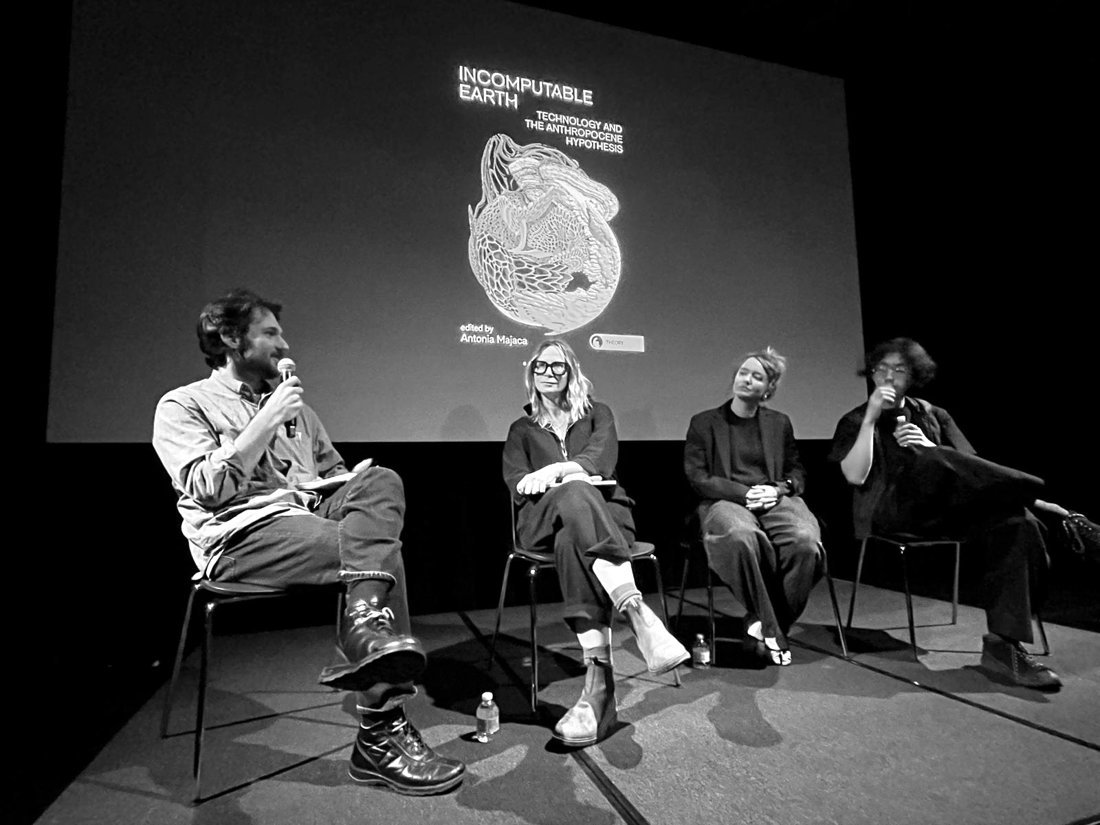
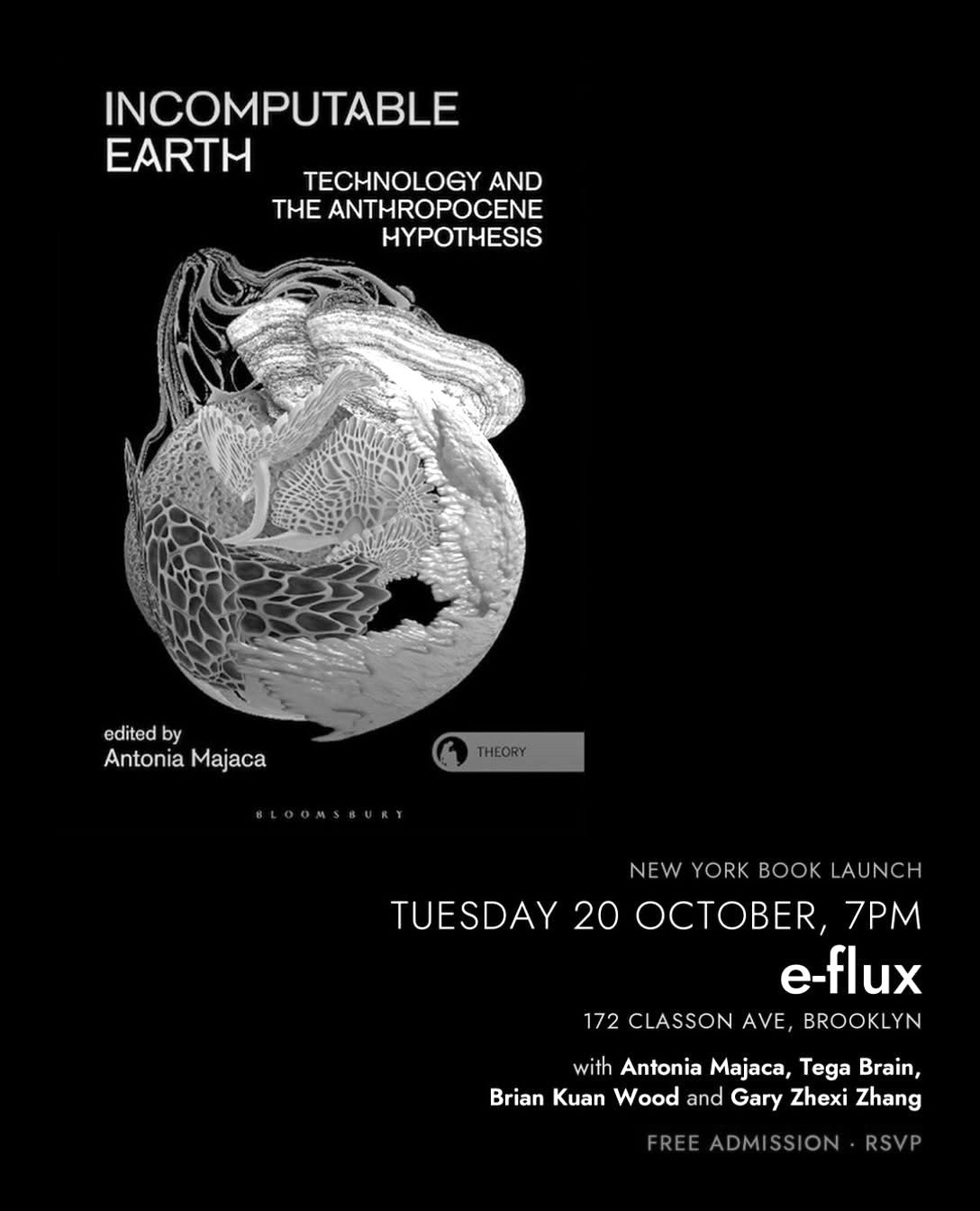
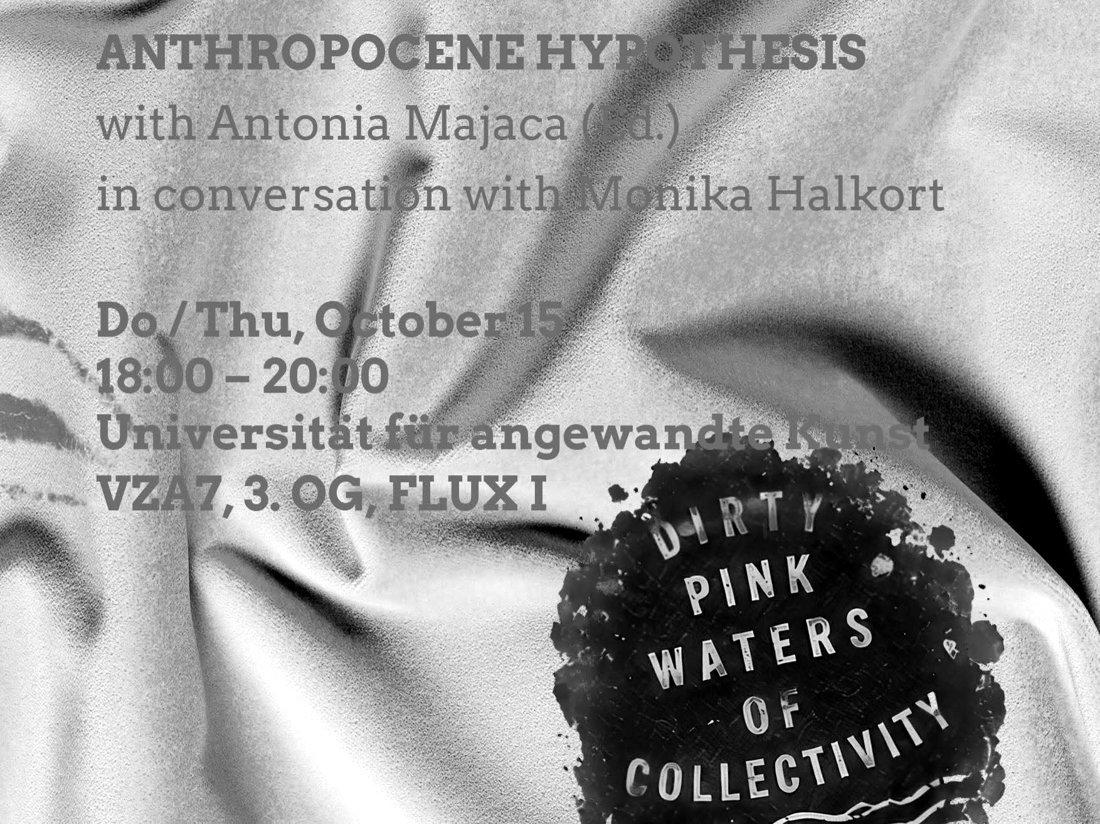
2026Incomputable Earth, book launch. Vienna, 15 October, with Monika Halkort; e-flux, New York, 20 October
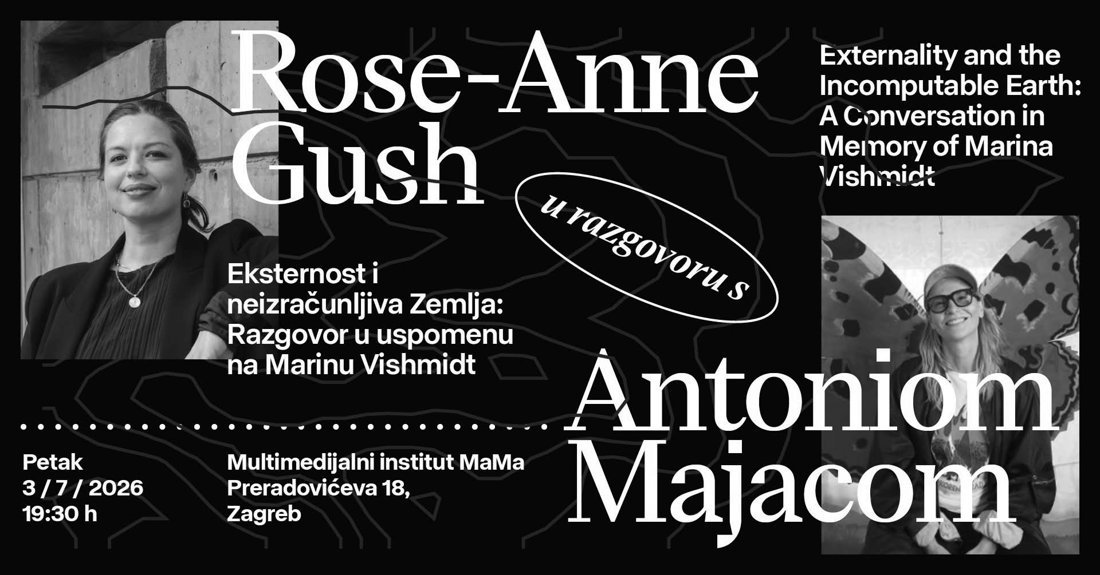
2026Externality and the Incomputable Earth: A Conversation in Memory of Marina Vishmidt. With Rose-Anne Gush, reading Vishmidt’s “Externality and Necessity: Between Materialism and Ecology” against “Incomputable Earth: Reclaiming Abstraction.” Multimedia Institute MaMa, Zagreb, 3 July
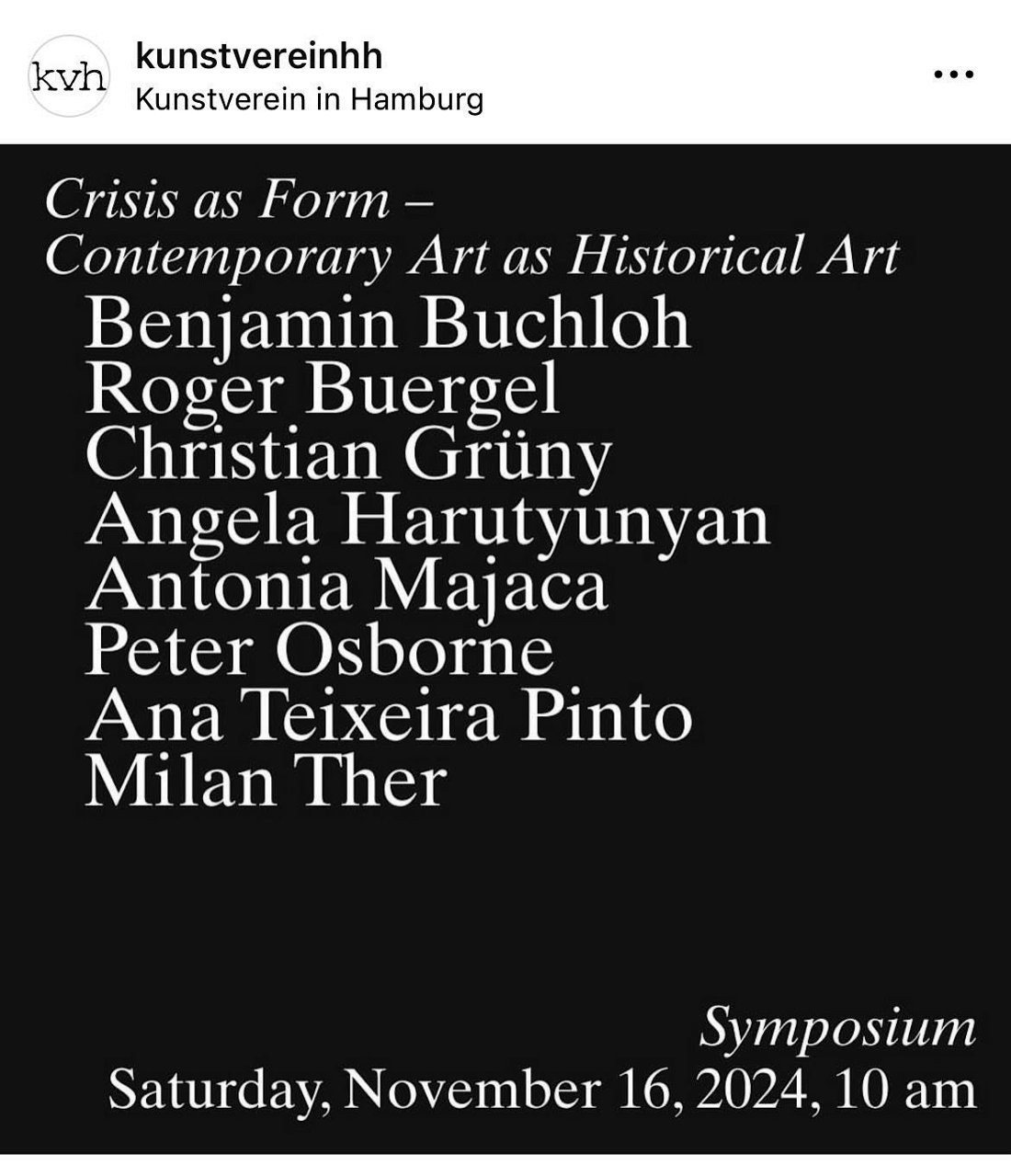
2024“The Anthropocene as Epistemic Reification: From Earthrise to Black Holes”. Symposium Crisis as Form: Contemporary Art as Historical Art, Kunstverein in Hamburg, 16 November
2019Dialogue, Burning Futures: On Ecologies of Existence. HAU Hebbel am Ufer, Berlin, 4 November. With Marcela Vecchione and Franco Berardi
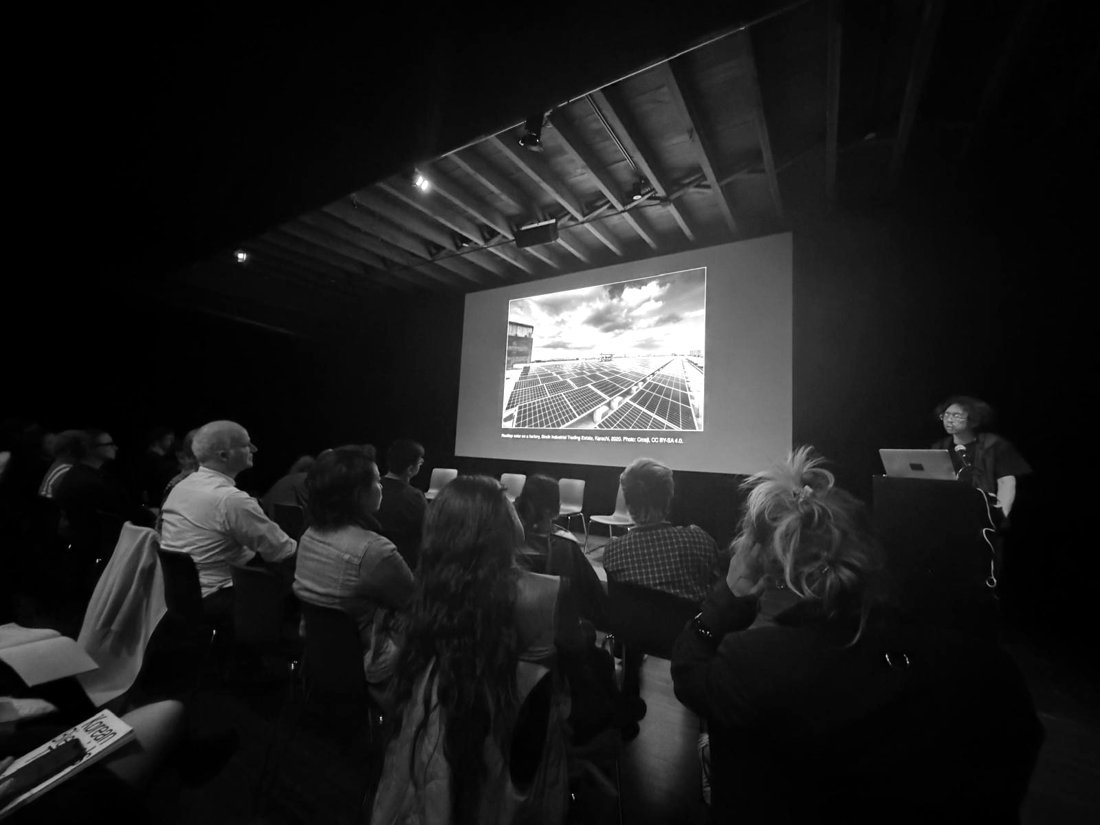
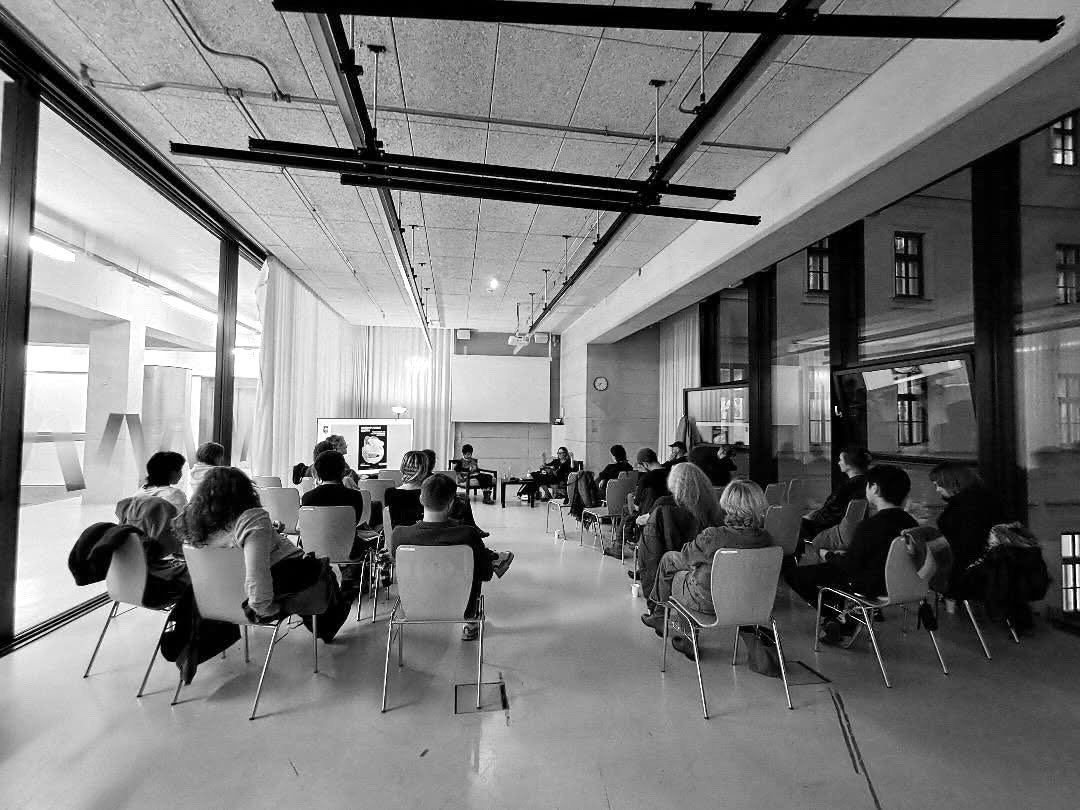
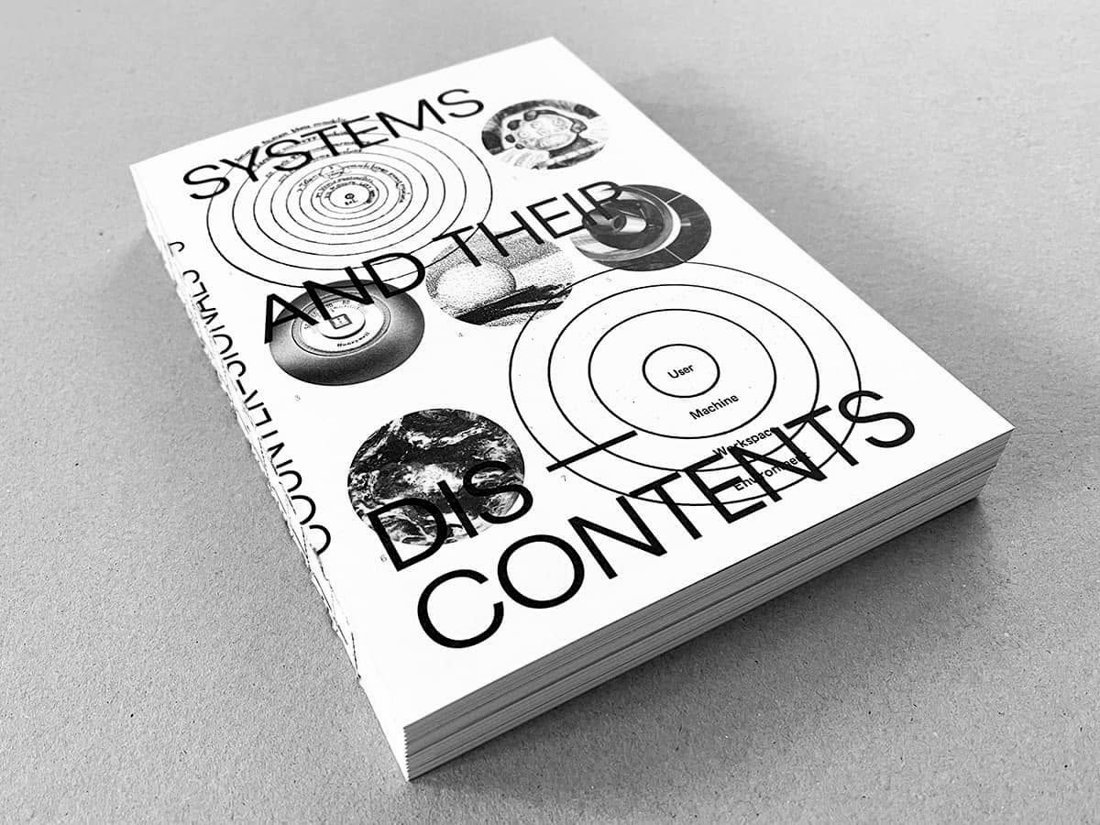
Incomputable Earth, New York launch, e-flux, 20 October 2026: with Brian Kuan Wood, Tega Brain and Gary Zhexi ZhangIncomputable Earth launch, e-flux, New York, 2026Gary Zhexi Zhang, Incomputable Earth launch, e-flux, 2026Incomputable Earth, New York launch, e-flux, 20 October 2026Incomputable Earth, Vienna launch with Monika Halkort, Universität für angewandte Kunst, 15 October 2026Incomputable Earth launch, Vienna, 2026Systems and Their Discontents [volume to confirm]Crisis as Form, Kunstverein in Hamburg, 16 November 2024Externality and the Incomputable Earth, with Rose-Anne Gush, MaMa Zagreb, 3 July 2026
4
Computation, the incomputable and the psychic apparatus
2015–23
What does algorithmic governance do to the subject, and can art expose the remainder that computation cannot count? As principal investigator of the FWF project The Incomputable at TU Graz, the work followed Koestler’s binary decision into prediction and the paranoid apparatus (“Little Daniel Before the Law,” “The Ketamine Machine”) and proposed an incomputable subject that works inside instrumental reason. Seminars in Arnhem, Karlsruhe, Miami and Prague, workshops in Berlin and Graz, and the Berlin Biennale’s crit sessions were its public forms.
Programmes, symposia and seminars convened
2016–21The Incomputable: Art in the Age of Algorithms
Institute for Contemporary Art (IZK), TU Graz. Austrian Science Fund (FWF) Arts-Based Research project AR 361, 1 March 2016 – 31 December 2021, €336,759
Principal investigator
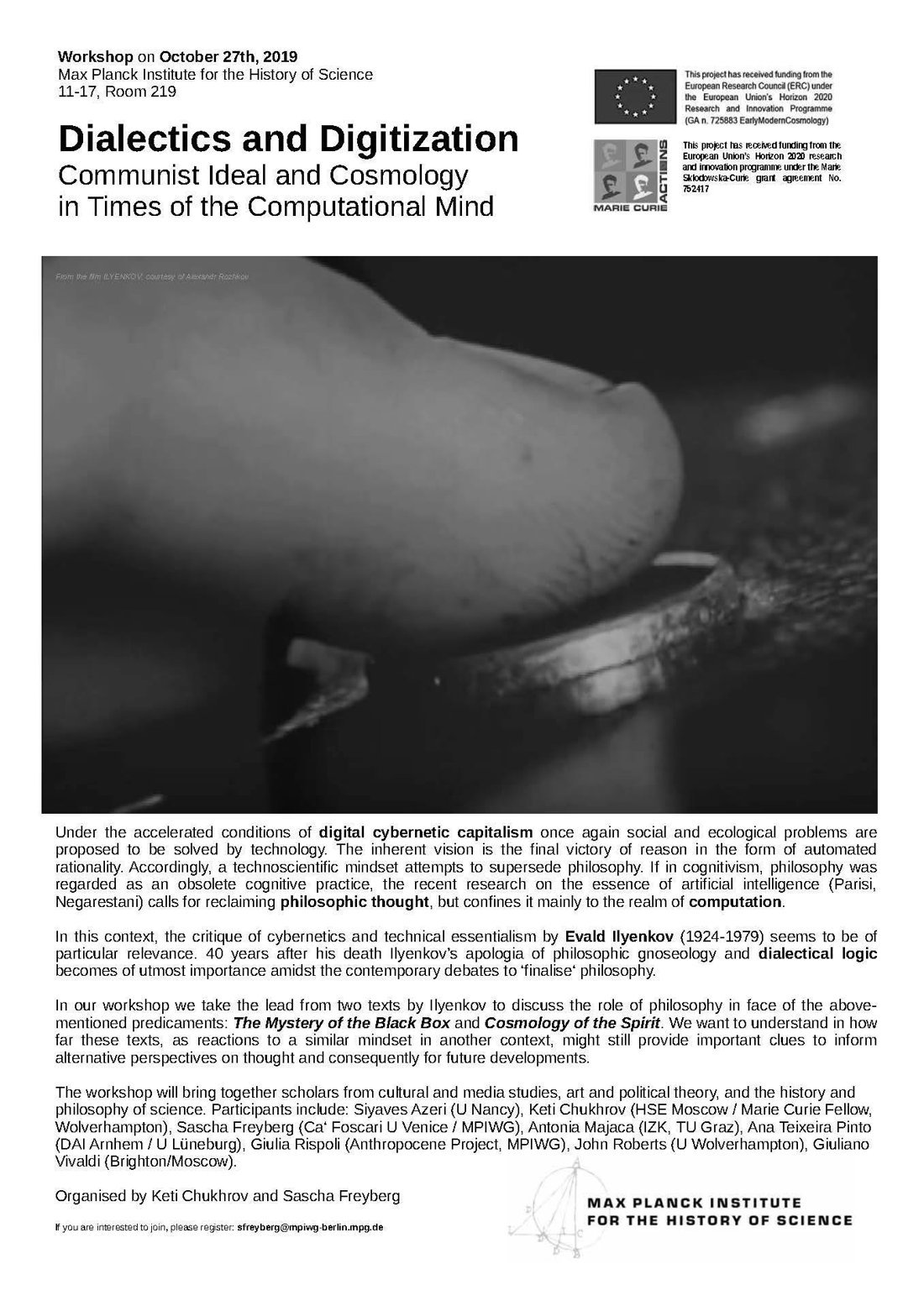
A transdisciplinary research hub asking how data-driven capitalism governs social, political and economic life through algorithms, and whether art can expose the incomputable remainder of computation. The project combined research, teaching, exhibitions and public programmes: seminars at the Dutch Art Institute, HfG Karlsruhe, ICA Miami and the Academy of Fine Arts Prague; the dialogue Burning Futures at HAU Berlin and the workshop Dialectics and Digitization at the Max Planck Institute for the History of Science (2019); contributions to Re-Imagining AI in Basel and Art in Dataspace at the 58th Venice Biennale; an online platform, incomputable.xyz; and the edited volume Incomputable Earth (Bloomsbury, 2025).
2018BB10 Crit Sessions
10th Berlin Biennale for Contemporary Art
Co-director, with Sohrab Mohebbi
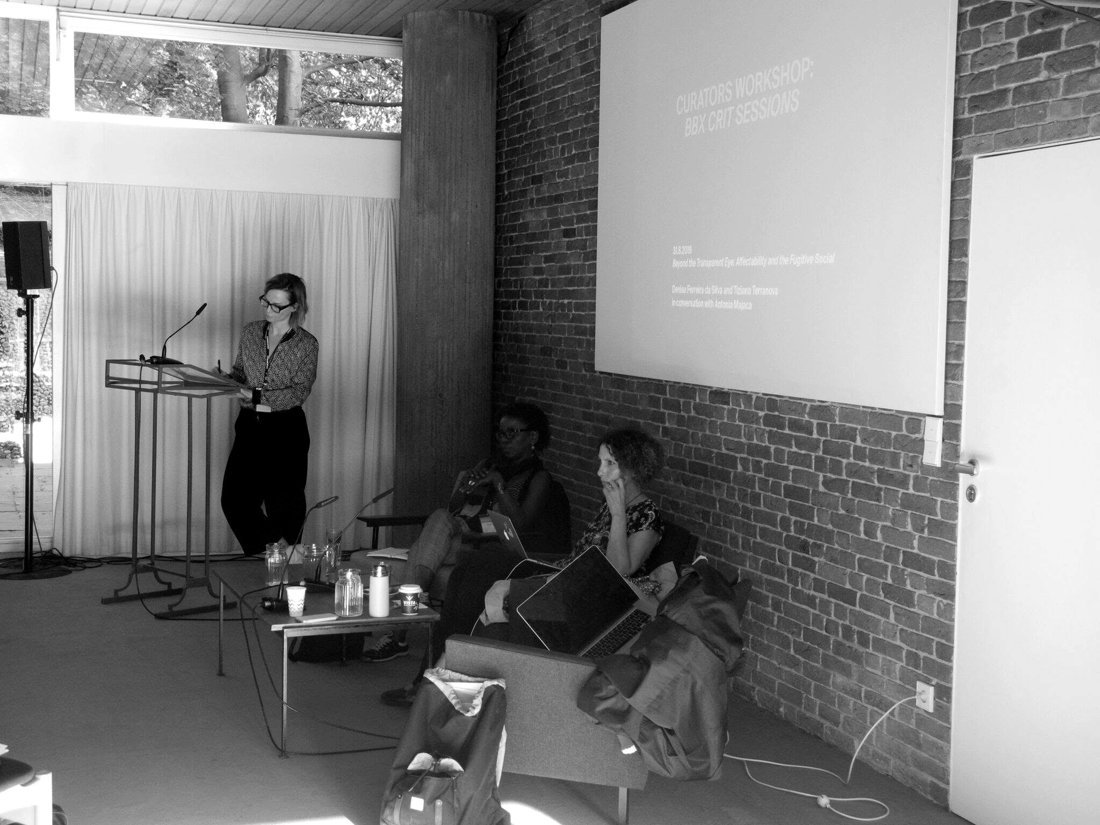
The biennale’s discursive programme, including Beyond the Transparent Eye: Affectability and the Fugitive Social, a conversation with Denise Ferreira da Silva and Tiziana Terranova at the Akademie der Künste, 31 August 2018.
BB10 Crit Sessions: Beyond the Transparent Eye, with Denise Ferreira da Silva and Tiziana Terranova, Akademie der Künste, 31 August 2018BB10 Crit Sessions, Berlin, 2018BB10 Crit Sessions, Akademie der Künste, 2018BB10 Crit Sessions, 2018BB10 Crit Sessions, 2018
2015Knowledge Forms and Forming Knowledge
IZK Institute for Contemporary Art, TU Graz, and Halle für Kunst & Medien, Graz, 16–17 July 2015
Initiator; co-organised with Patricia Reed
A workshop and public seminar on the reconfiguration of knowledge through arts-based transdisciplinary research, with Anselm Franke, Jelena Vesić, Julieta Aranda, Rachel O’Reilly, Ana Teixeira Pinto, Bassam El Baroni, Rijin Sahakian, Adam Kleinman, Jason Adams, Benjamin Bratton and Keith Tilford.
Texts
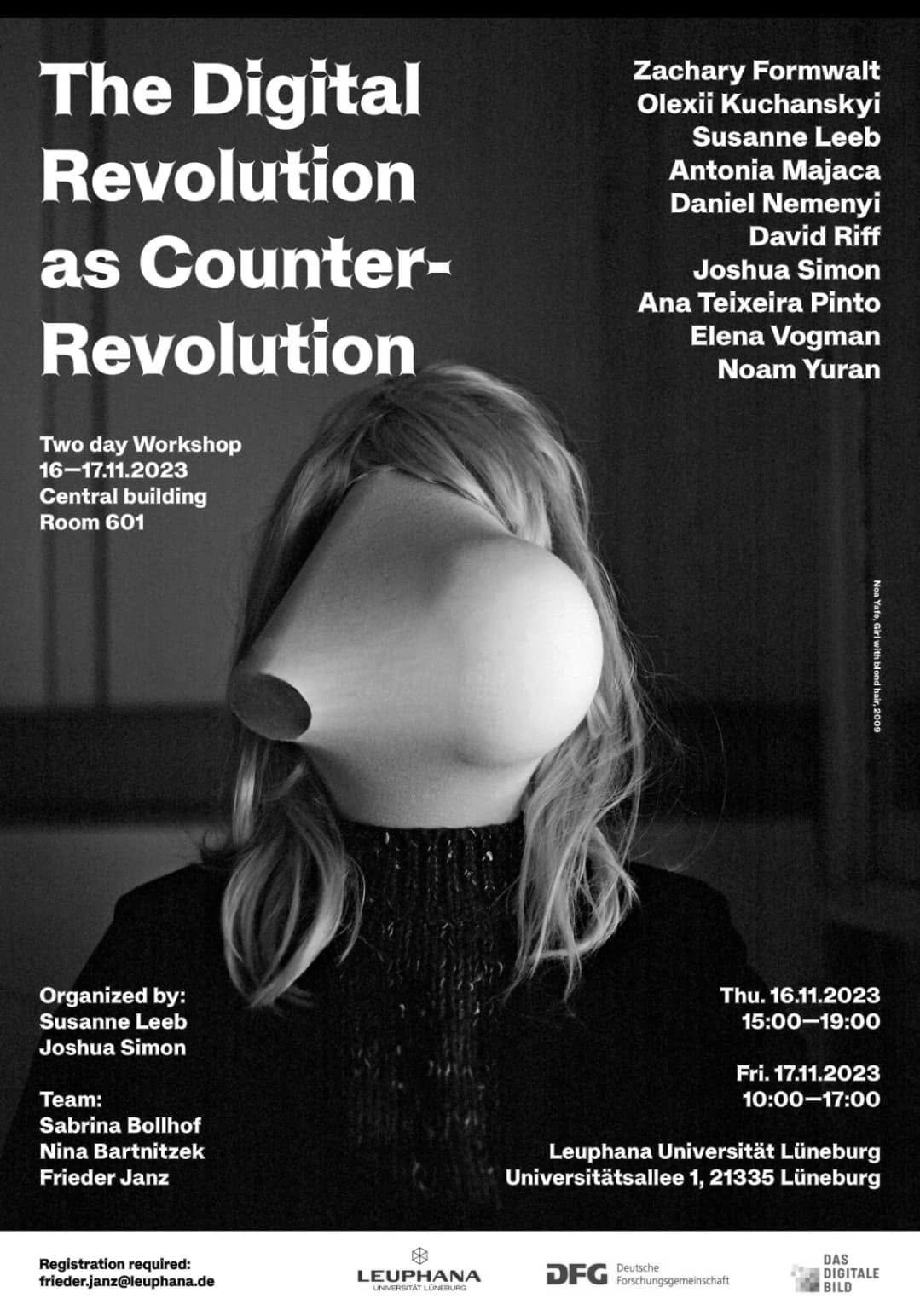
forthcoming“The Ketamine Machine, or Synthetic Hallucination as the Cultural Logic of Algorithmic Capitalism”. In The Digital Revolution as Counter-Revolution, ed. Joshua Simon and Susanne Leeb, b_books, Berlin
2016“The Incomputable and Instrumental Possibility”. With Luciana Parisi. e-flux journal 77, November 2016
2016“Little Daniel Before the Law: Algorithmic Extimacy and the Rise of the Paranoid Apparatus”. e-flux journal 75, September 2016. Written for Nervöse Systeme, ed. Anselm Franke, Stephanie Hankey and Marek Tuszynski, HKW and Matthes & Seitz, 2017
Teaching
2024Faculty, The Brain Without Organs. Saas-Fee Summer Institute of Art, Maison Suger, Paris, 30 September–5 October
2019–20Seminar, Incomputable Subjects: On Unalienated Planetarity. Dutch Art Institute
2019Seminar, Aesthetics and Politics for the Age of Algorithms: A Feminist Critique of AI. Karlsruhe University of Arts and Design (HfG), 12–13 June
2018–19Seminar, Incomputable Subjects. Dutch Art Institute
2018Seminar, Subjectivity and the Incomputable. Institute of Contemporary Art, Miami, 26–28 March
Talks
2023Workshop, The Digital Revolution as Counter-Revolution. Leuphana University Lüneburg, 16–17 November. Organised by Susanne Leeb and Joshua Simon
2023Lecture, “Towards an Optical Genealogy of Computing”. Museo Nacional Centro de Arte Reina Sofía, Madrid, 16 June
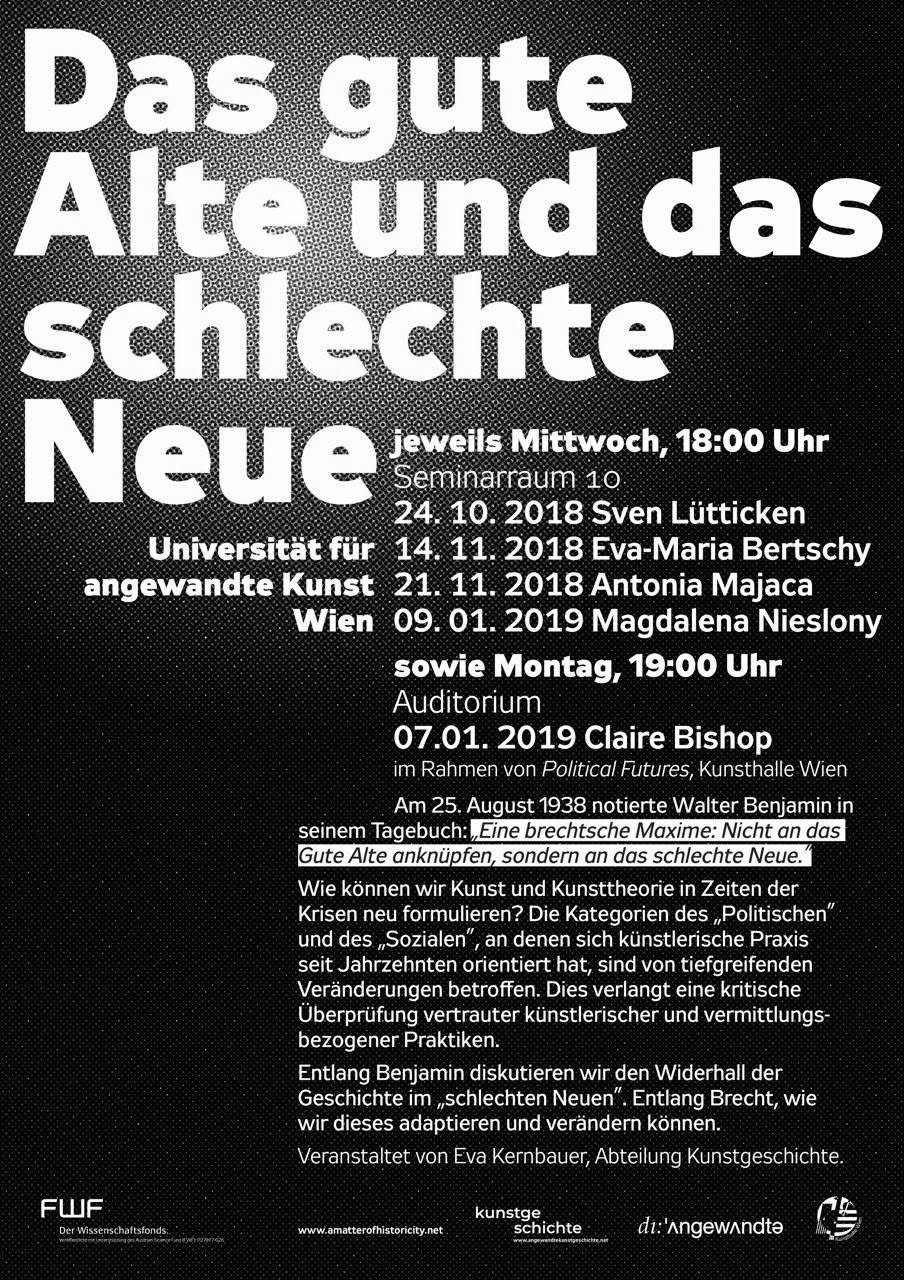
2018 Lecture, Das gute Alte und das schlechte Neue. Lecture series convened by Eva Kernbauer, Department of Art History, University of Applied Arts Vienna, 21 November
2019Workshop, Dialectics and Digitization: Communist Ideal and Cosmology in Times of the Computational Mind. Max Planck Institute for the History of Science, Berlin, 27 October. Organised by Keti Chukhrov and Sascha Freyberg
2019Talk, Re-Imagining AI. IXDM, FHNW Academy of Art and Design, Basel, 20–21 June
2018Respondent, Aeroponic Acts: Growing Roots in Air. Dutch Art Institute, silent green Kulturquartier, Berlin, 20–22 May. With Anselm Franke, Rachel O’Reilly, Ghalya Saadawi, Ana Teixeira Pinto, Hypatia Vourloumis
2017Talk, What Is Happening to Our Brain?. Gerrit Rietveld Academie, Amsterdam, 18 January
2016Workshop, Risking Everything: The Computational Politics of Prediction, Security, and Secrecy. Goldsmiths, University of London, 20 May
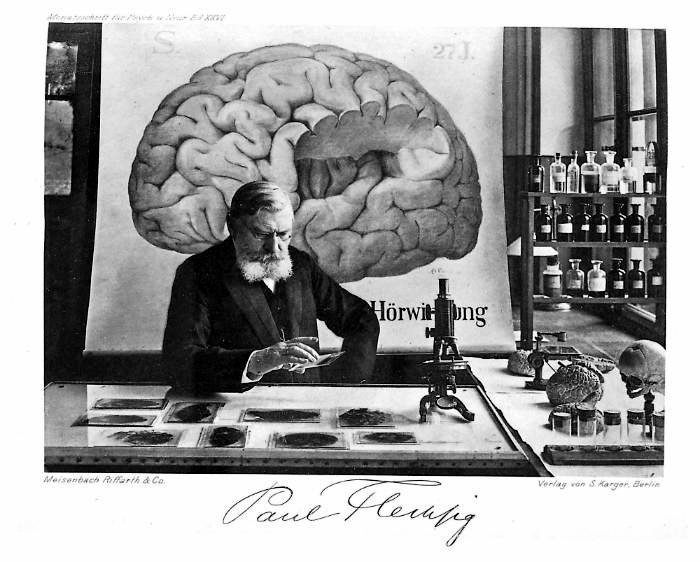
Dialectics and Digitization, Max Planck Institute for the History of Science, 2019Das gute Alte und das schlechte Neue, Universität für angewandte Kunst Wien, 2018The Digital Revolution as Counter-Revolution, Leuphana, 2023The Brain Without Organs, Saas-Fee Summer Institute of Art, Paris, 2024
5
The Cold War manufacture of cultural freedom
2016–21
How was the postwar canon of free, autonomous art built, by whom, and at what cost to the memory of antifascism? Three years on the curatorial team of HKW’s Kanon-Fragen, the exhibition Parapolitics and its book trace the Congress for Cultural Freedom and show how antifascism was converted into anticommunism while fascism and democracy were allowed to forget their common root in financial capital.
Exhibitions
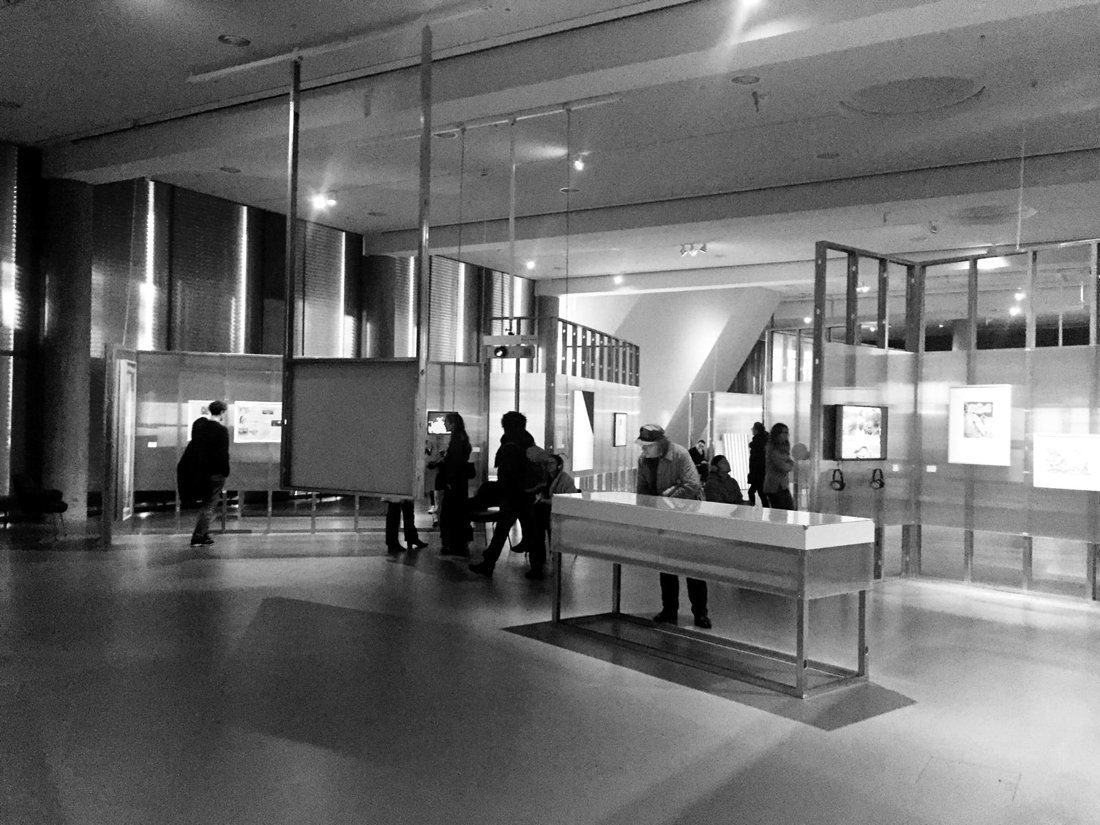
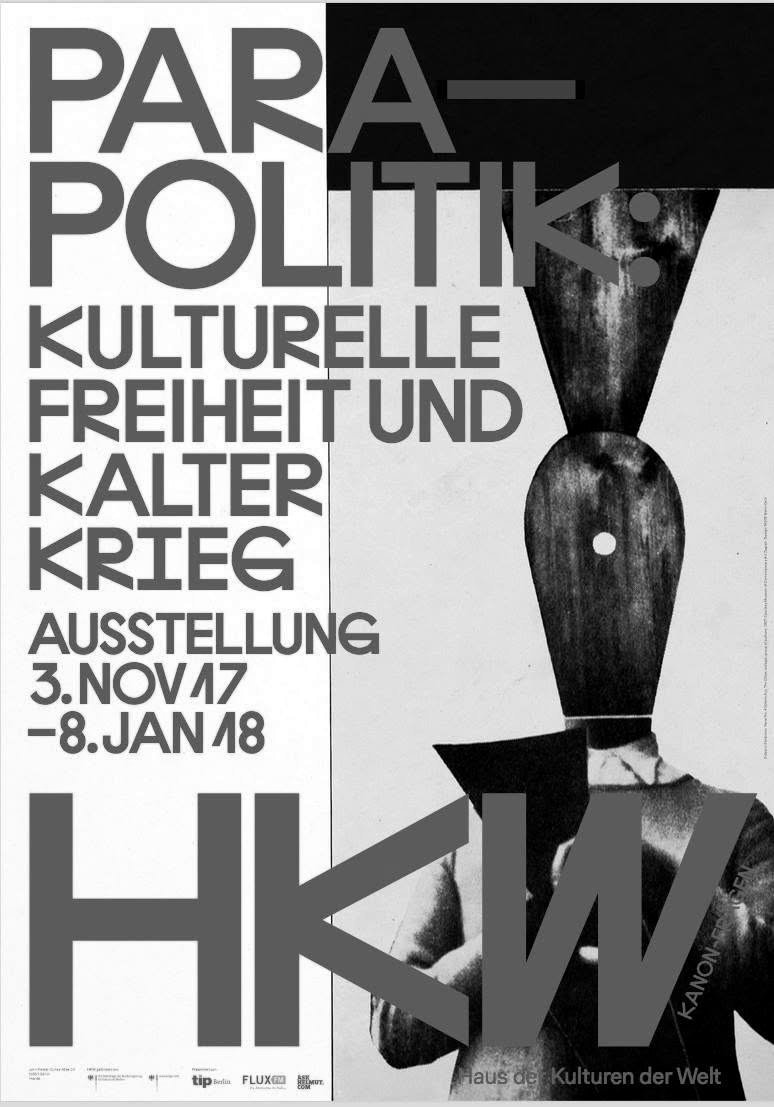
2017Parapolitics: Cultural Freedom and the Cold War
Haus der Kulturen der Welt, Berlin, 3 November 2017 – 8 January 2018
Co-curator, with Anselm Franke, Nida Ghouse and Paz Guevara
A large-scale exhibition within HKW’s programme Kanon-Fragen on the Congress for Cultural Freedom, the CIA-financed network that from 1950 shaped the vocabulary of artistic freedom, autonomy and anti-totalitarianism through which postwar modernism was canonised. The exhibition traced how the Cold War’s cultural politics produced the idea of free art, and how that idea travelled to the decolonising world. Majaca’s research strand concerned the intellectual history of totalitarianism discourse and the binary decision logic the Congress prescribed for the liberal intellectual, published as the chapter “Odysseus of the Nimble Wits” in the exhibition’s book (2021).
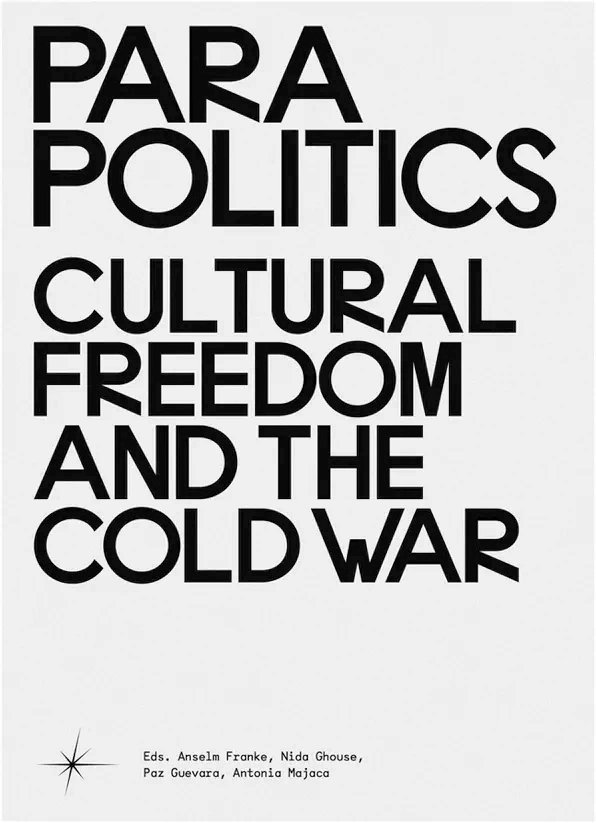
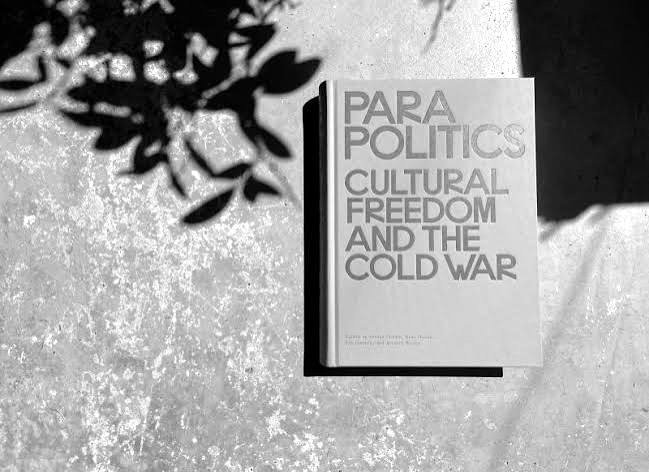
2021Parapolitics: Cultural Freedom and the Cold War. Co-edited with Anselm Franke and Paz Guevara. HKW and Sternberg Press
Parapolitik, exhibition poster, HKW, 2017Parapolitics: Cultural Freedom and the Cold War, HKW/Sternberg Press, 2021Parapolitics, 2021
Texts
2021“Odysseus of the Nimble Wits: The Spirits of Totalitarianism and the Cultural Cold War’s Entscheidungsproblem”. In Parapolitics: Cultural Freedom and the Cold War, HKW and Sternberg Press, pp. 123–149
[talk to identify]
6
Memory, genocide and the memorial forum
2007–17
Beginning with the Banja Luka Spaport biennial and the collaboration with Grupa Spomenik, the work takes the Omarska camp, the destroyed Luxemburg–Liebknecht monument and the viral afterlife of Yugoslav modernist monuments as cases, and proposes the forum rather than the memorial as the form in which a community without a shared substance can reflect on its past. The Goldsmiths MA thesis set out the argument; Memorial For(u)ms at HAU Berlin, commissioned by DAAD and the antifascist feminist front at documenta 14 tested it at institutional scale.
Exhibitions
2012Grupa Spomenik: Yugoslavia Studies
Galerija Miroslav Kraljević, Zagreb, 19 November – 15 December 2012
With Ivana Bago (DeLVe), in collaboration with Grupa Spomenik
The first substantial presentation in Zagreb of the Monument Group (Damir Arsenijević, Ana Bezić, Jasmina Husanović, Pavle Levi, Jelena Petrović, Branimir Stojanović, Milica Tomić), conceived as a working archive for a book in the making rather than a retrospective: a decade of the group’s artistic and theoretical work on the Srebrenica genocide and its aftermath, opened to public editing, with two public discussions on the absence of the war from Zagreb’s art scene and its new political initiatives. The collaboration with the group began in 2010 within Exposures in Banja Luka.
Grupa Spomenik: Yugoslavia Studies, G-MK, Zagreb, 2012Grupa Spomenik: Yugoslavia Studies, G-MK, 2012Grupa Spomenik: Yugoslavia Studies, G-MK, 2012
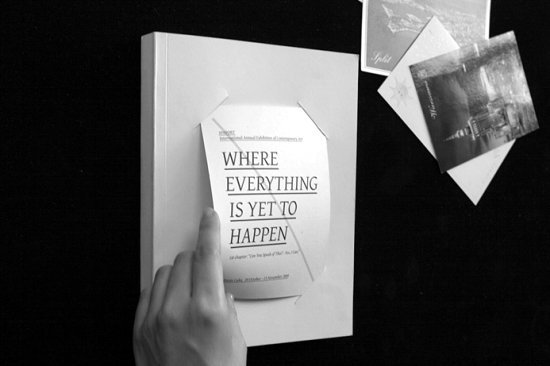
2009–10Where Everything Is Yet to Happen, SpaPort Biennial
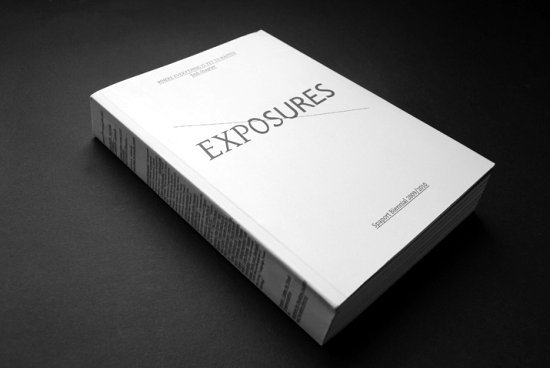
Chapter 1, Can You Speak of This? Yes, I Can, Banja Luka, 2009; Chapter 2, Exposures, Banja Luka, Mostar and Sarajevo, 14 October – 30 November 2010 (exhibition at the Rudi Čajavec factory, the Salon of the Museum of Contemporary Art and public space, 30 October – 30 November). Organised by Protok, Centre for Visual Communications, Banja Luka
Developed and curated by DeLVe (Ivana Bago and Antonia Majaca)
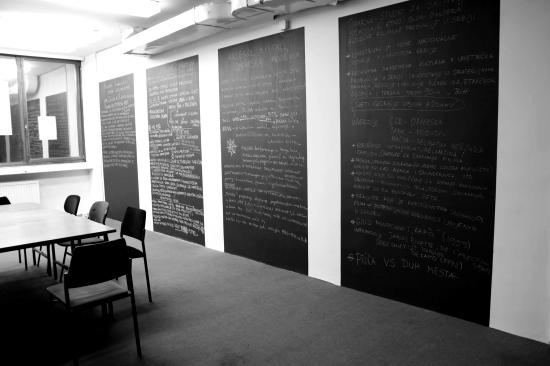
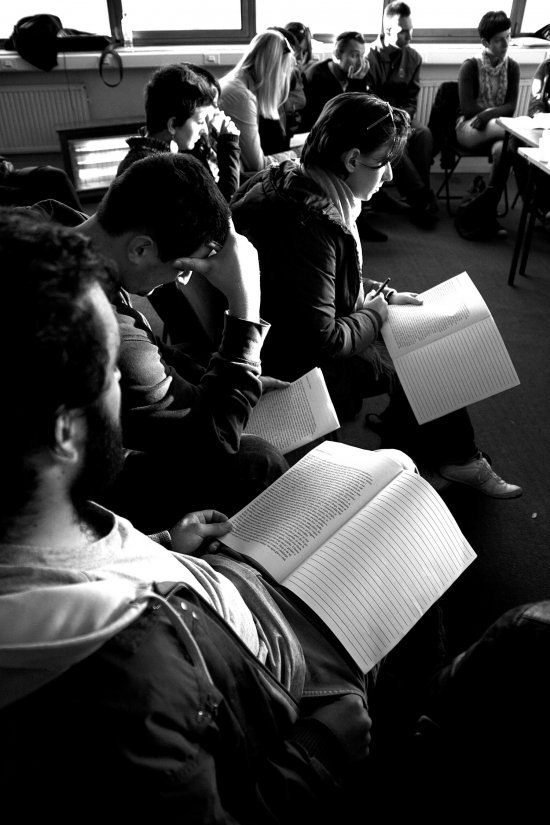
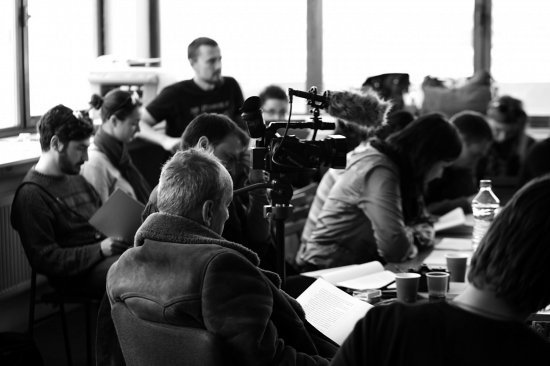
A long-term collaborative project that took the form of a biennial in order to ask how such a project could refuse the imperative of spectacle and representation. The first chapter was made with a team of invited co-curators (Anselm Franke, Ana Janevski, Vít Havránek and Zbyněk Baladrán, Erden Kosova, Nina Möntmann, Jelena Vesić) around a prospective rethinking of community; the topics it opened, collaboration, complicity, the articulation of trauma, exile and return, the politics of language and of memory, the culturalisation of politics and the politicisation of art, set the course of the second. Exposures gathered temporary communities of artists, theorists, activists, students and curators around the trauma of the break-up of Yugoslavia, from war and genocide to the dissolution of the socialist economy and its effects on the youngest generation, under the standing question “Can you speak of this?”, where to answer yes is to accept responsibility for one’s own position. Participants included the Monument Group (Damir Arsenijević, Jasmina Husanović, Jelena Petrović, Branimir Stojanović, Milica Tomić) and the working group Four Faces of Omarska, STEALTH.unlimited, Abart Mostar, Borut Šeparović and Goran Ferčec, Lana Čmajčanin and Igor Grubić, Andrea Geyer, Flaka Haliti, Nicole Hewitt, Margareta Kern, Radenko Milak, Renata Poljak, Vahida Ramujkić, Lala Raščić and others, in an exhibition, seminars, workshops, performances and new productions. Publications: Can You Speak of This? Yes, I Can (2009) and Exposures (2010).
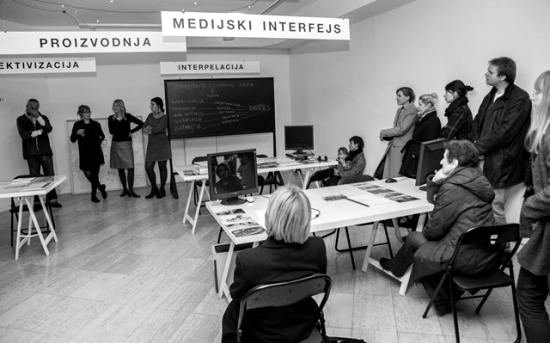
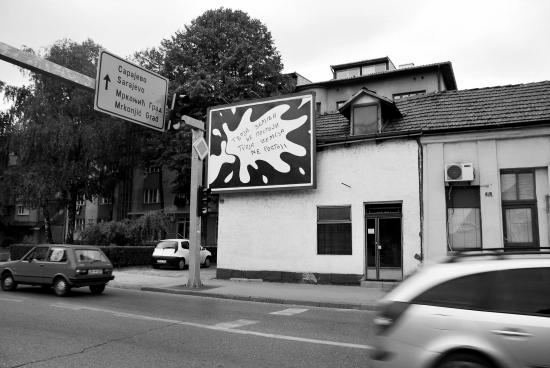
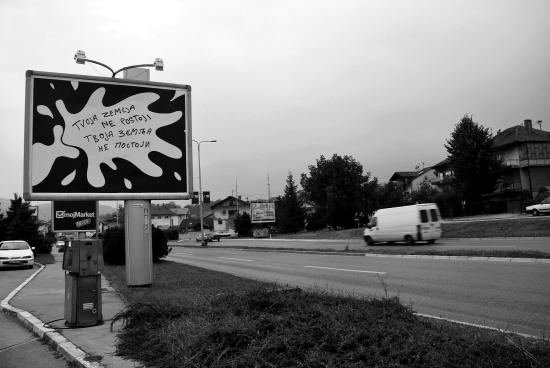
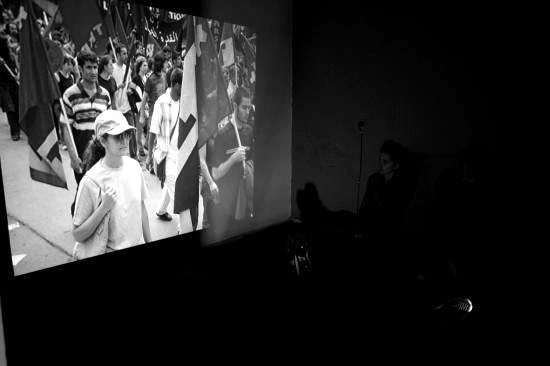
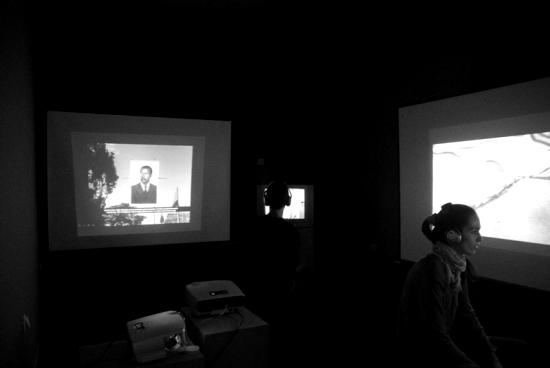
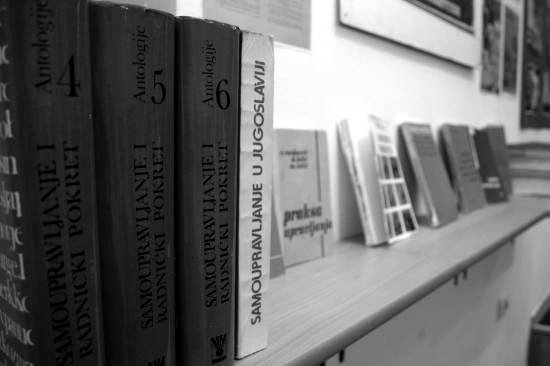
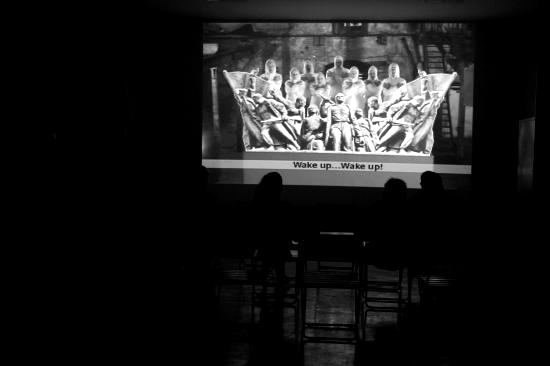
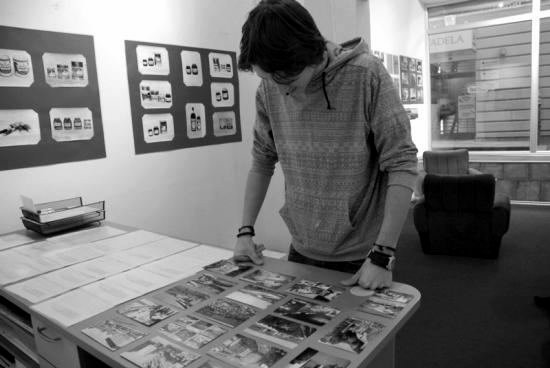
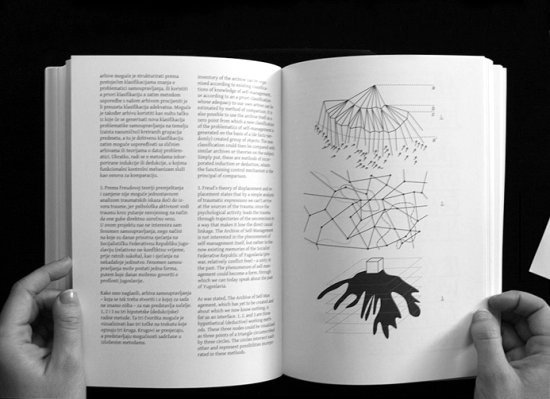
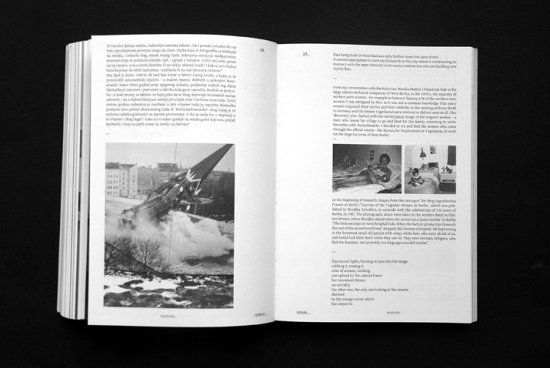
Can You Speak of This? Yes, I Can, SpaPort, Banja Luka, 20 October – 15 November 2009Can You Speak of This? Yes, I Can, billboard, Banja Luka, 2009Can You Speak of This? Yes, I Can, installation view, Banja Luka, 2009Can You Speak of This? Yes, I Can, installation view, Banja Luka, 2009Can You Speak of This? Yes, I Can, installation view, Banja Luka, 2009The Archive of Self-Management, installation view, 2009Can You Speak of This? Yes, I Can, installation view, Banja Luka, 2009Can You Speak of This? Yes, I Can, installation view, Banja Luka, 2009Can You Speak of This? Yes, I Can, installation view, Banja Luka, 2009Can You Speak of This? Yes, I Can, installation view, Banja Luka, 2009Can You Speak of This? Yes, I Can, installation view, Banja Luka, 2009Can You Speak of This? Yes, I Can, installation view, Banja Luka, 2009Can You Speak of This? Yes, I Can, installation view, Banja Luka, 2009Installation view, Banja Luka, 2009Can You Speak of This? Yes, I Can, installation view, Banja Luka, 2009Can You Speak of This? Yes, I Can, installation view, Banja Luka, 2009Exposures, seminar, Banja Luka, 2010Exposures, workshop notes, Banja Luka, 2010Exposures, seminar, Banja Luka, 2010Exposures, seminar, Banja Luka, 2010Exposures, installation view, Banja Luka, 2010Exposures, screening, 2010Exposures, exhibition, Banja Luka, 2010Exposures, installation view, 2010Exposures, installation view, 2010Exposures, SpaPort Biennial, 2010Exposures, Banja Luka, 2010Exposures, Banja Luka, 2010Exposures, seminar, Banja Luka, 2010Exposures, seminar, Banja Luka, 2010Exposures, seminar, Banja Luka, 2010Exposures, Banja Luka, 2010Can You Speak of This? Yes, I Can, 2009Can You Speak of This? Yes, I Can, 2009Exposures, 2010
2009–10Where Everything Is Yet to Happen, seminars I and II
Pogon Jedinstvo, Zagreb, 26 September 2010; Zagreb Architects Society, 12–13 November 2010
Organiser, DeLVe
Two seminar modules extending the Banja Luka project: To Think (Film) Politically, edited by Jelena Vesić, with Vladan Jeremić and Dmitry Vilensky, screening Biro Beograd and Chto Delat; and Crisis of Imagination, edited by Anselm Franke with Florian Schneider, a two-day workshop on imagination under cognitive capitalism closing with Straub and Huillet’s Moses und Aron.
2009Where to Go? Notes on Transformation after 1989
rotor, Graz
Co-curator, with Ivana Bago, in a project initiated by Anton Lederer and Margarethe Makovec
2007Stalking with Stories: The Pioneers of the Immemorable
apexart, New York
Curator
19 September – 3 November 2007, with Zbyněk Baladrán, Alejandro Cesarco, Felix Gmelin, Sanja Iveković, David Maljković, Ahmet Öğüt, Kateřina Šedá and Artur Żmijewski. The first part of a trilogy on narrative and the “immemorable,” that which, in Agamben’s phrase, skips from memory to memory without ever coming to mind: an exhibition on how stories of the past are retold, edited and projected into the future, closed by the round table On Memory, Nostalgia and the Future with Svetlana Boym and Sanja Iveković on 3 November.
Stalking with Stories: The Pioneers of the Immemorable, apexart, New York, 2007Installation view, apexart, 2007Installation view, apexart, 2007Installation view, apexart, 2007
Programmes, symposia and seminars convened
2017Art of the Possible: Towards the International Antifascist Feminist Front
documenta 14, Athens
With Sanja Iveković and Angela Dimitrakaki
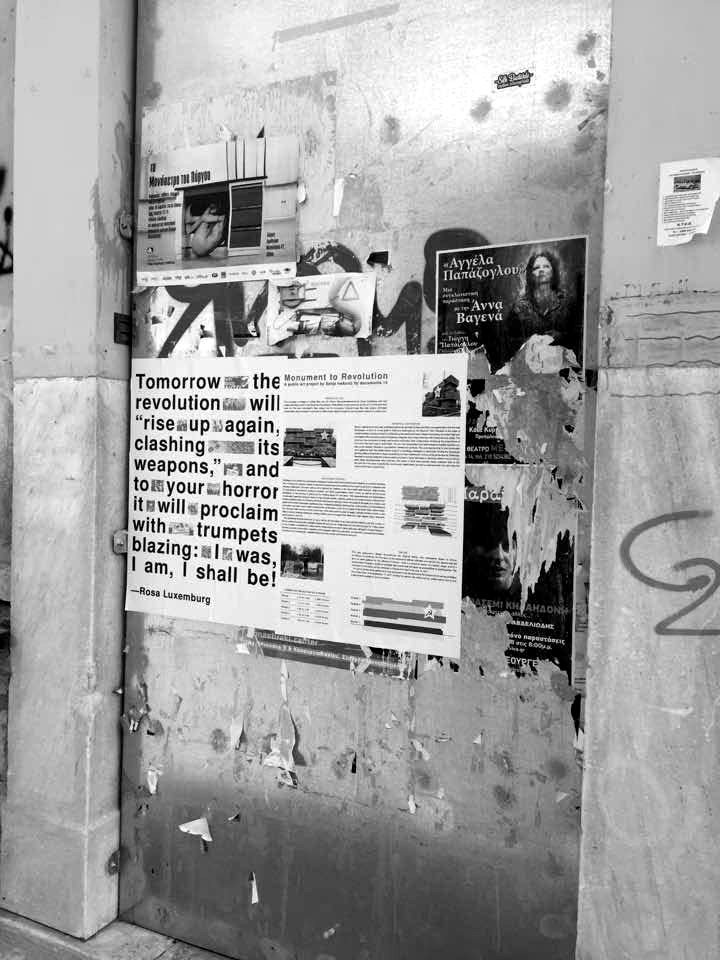
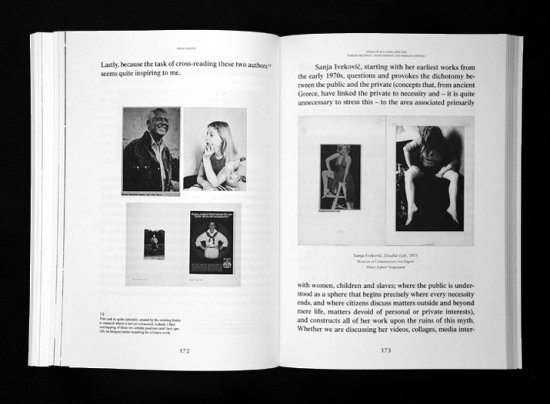
A project within documenta 14 comprising Iveković’s work and the discursive programme Women’s Work in Revolt! Feminist Struggle and Insurrectionary Memory, co-curated by Majaca and Dimitrakaki. Majaca also contributed the text on Iveković to the documenta 14: Daybook.
Sanja Iveković, Monument to Revolution, documenta 14, Athens, 2017Monument to Revolution, poster in Athens, 2017
2015Memorial For(u)ms: Histories of Possibility
HAU Hebbel am Ufer, Berlin, with the Berlin Artists Program of the DAAD, 3–4 July 2015
Curator
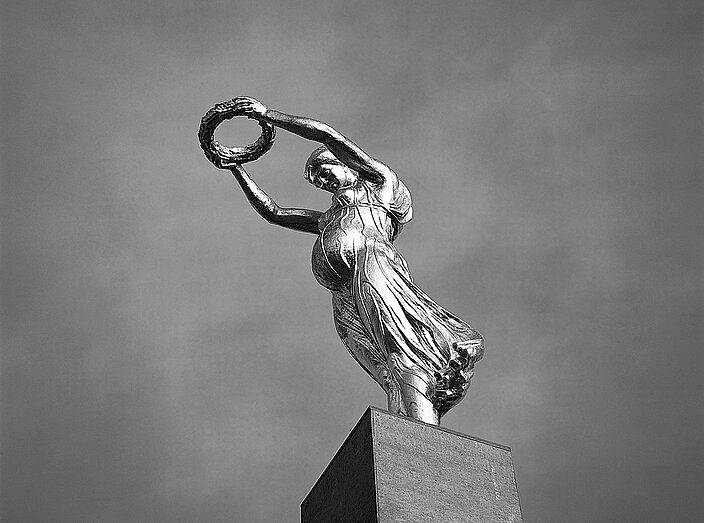
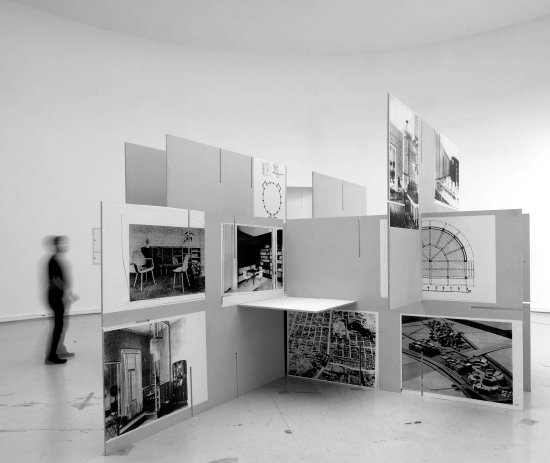
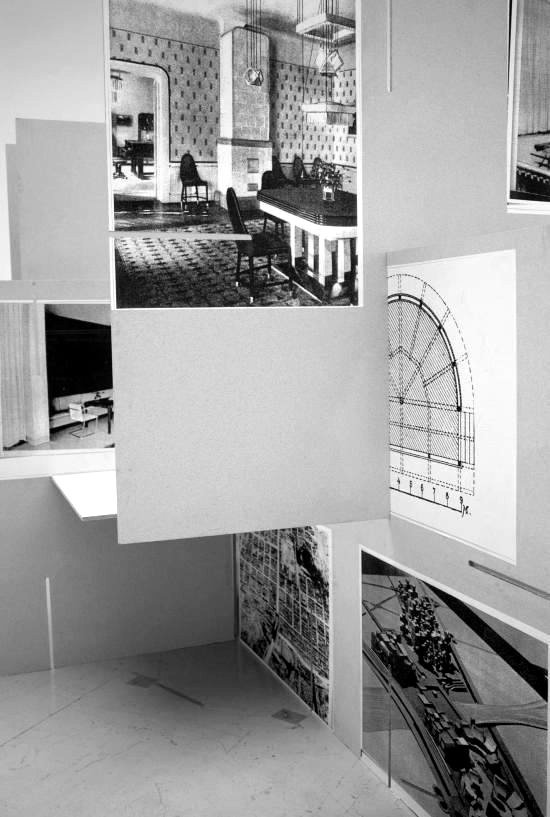
A two-day symposium curated in response to Sanja Iveković’s proposal to reconstruct Mies van der Rohe’s monument to Rosa Luxemburg and Karl Liebknecht (1926), destroyed by the Nazis in 1935. Rather than endorsing the reconstruction, the symposium asked whether an unfulfilled revolution can take aesthetic form and what such a memorial would mean today. Participants: Mikkel Bolt Rasmussen, Boris Buden, Jodi Dean, Ekaterina Degot, Andrew Herscher, Ralf Hoffrogge, Sanja Iveković, Sami Khatib, Gal Kirn, Susanne Leeb, Bojana Pejić, Gerald Raunig, Branimir Stojanović, Thomas Thiele, Milica Tomić, Jelena Vesić, Siegbert Wolf, Ross Wolfe. Video documentation in the DAAD archive.
Sanja Iveković, Lady Rosa of Luxemburg, 2001. Key image of Memorial For(u)ms, HAU Berlin, 2015
2007On Memory, Nostalgia and the Future
apexart, New York
Convenor
Round table with Svetlana Boym and Sanja Iveković, accompanying Stalking with Stories.
Edited volumes
2010Exposures. Where Everything Is Yet to Happen, chapter 2, SpaPort Biennial, Banja Luka
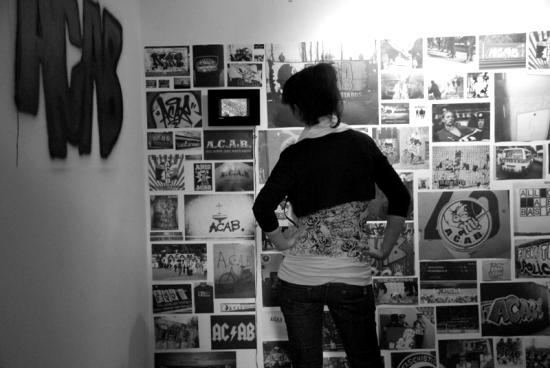
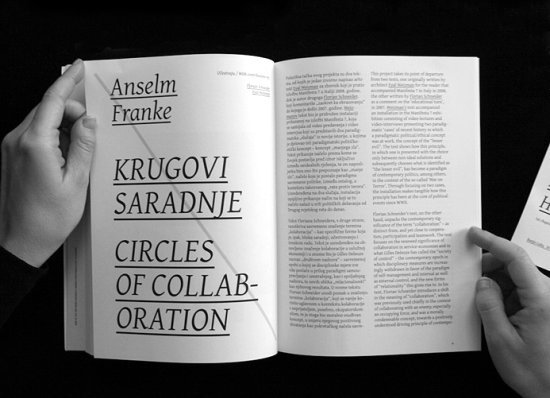
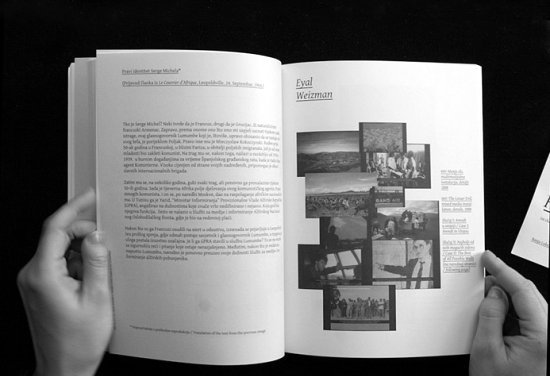
2009Can You Speak of This? Yes, I Can. Edited with Ivana Bago. Protok, Banja Luka, and DeLVe, Zagreb. The book of the first chapter of Where Everything Is Yet to Happen, with contributions by the exhibition’s co-curators Anselm Franke, Vít Havránek and Zbyněk Baladrán, Ana Janevski, Erden Kosova, Nina Möntmann and Jelena Vesić, and by the participating artists and projects: A.C.A.B., The Archive of Self-Management, Ziad Antar, Yael Bartana, Lutz Becker, Yane Calovski, Libia Castro and Ólafur Ólafsson, Chto Delat, Ronen Eidelman, Esra Ersen, Ivan Grubanov, Nicoline van Harskamp (with Thijs Gadiot), Danilo Kiš, Aydan Murtezaoğlu, Dragan Nikolić, Florian Schneider, Slaven Tolj, Liu Wei, Sharif Waked, Eyal Weizman, Judi Werthein, Artur Żmijewski and Želimir Žilnik
Can You Speak of This? Yes, I Can, Protok/DeLVe, 2009Can You Speak of This? Yes, I Can, 2009Exposures, SpaPort, 2010Exposures, 2010Exposures, 2010Exposures, 2010
2016“Montage Against All Odds”. With Eyal Sivan. In Documentary Across Disciplines, ed. Erika Balsom and Hila Peleg, HKW and MIT Press
2013“Where Everything Is Yet to Happen: Politics of Exposure”. With Ivana Bago. OnCurating, “Social Curating and Its Public,” ed. Cătălin Gheorghe and Olga Ştefan
2012Critical Memorial Practices and Their Forums: Reconfiguring Communities of Memory in Former Yugoslavia. MA thesis, Goldsmiths; supervisor Bernadette Buckley. On the Monument Group, the Four Faces of Omarska group and the Omarska concentration camp
2011Catalogue essay, Your Country Doesn’t Exist. Icelandic Pavilion, 54th Venice Biennale
Talks
2019Conference, tranzit statements for the future: Upon Us All Equally. National Dance Centre, Bucharest, 7–9 November
2005Deconstruction of the Monument. SCCA, Sarajevo
7
Art history and the historiography of political conceptualism in Yugoslavia
2005–15
What did withdrawal, non-action and the delayed audience mean inside self-management socialism, and what does their post-1989 reception as dissidence do to them? The work reads Gorgona, the Group of Six Artists, Mladen Stilinović, Sanja Iveković and Želimir Žilnik as evidence of a universalism that was concrete, administered and unfinished, and it treats labour and its refusal, from Be a Happy Worker to the seminar On Exodus, as the political core of that art. The method was institutional as much as textual with six years directing a independent art space and non profit gallery GMK in Zagreb, Delve - a nomadic research institute founded with Ivana Bago, a journal issue of Zivot Umjetnosti, a reader Removed from the Crowd, and exhibitions that brought the research to Ljubljana, Belgrade, Vienna, Prague and Mexico City.
Exhibitions
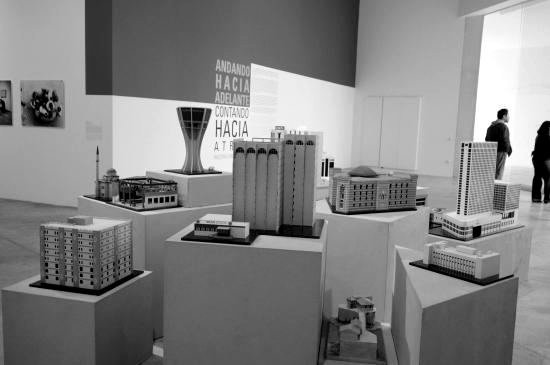
2012Moving Forwards, Counting Backwards
MUAC, Museo Universitario Arte Contemporáneo, Mexico City, 25 February – 5 May 2012. Commissioned for MUAC’s Phantasmas of Freedom cycle; associate curator Alejandra Labastida
Co-curator, with Ivana Bago
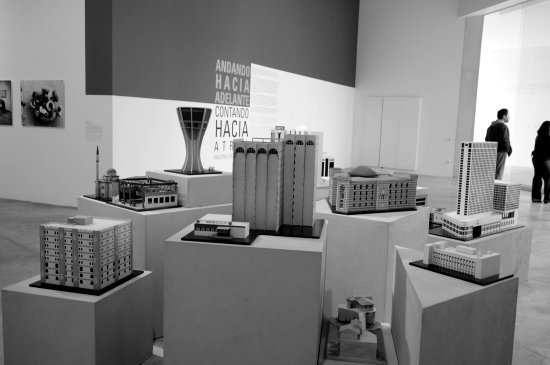
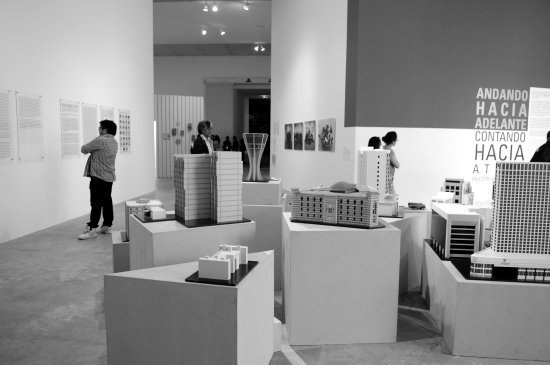
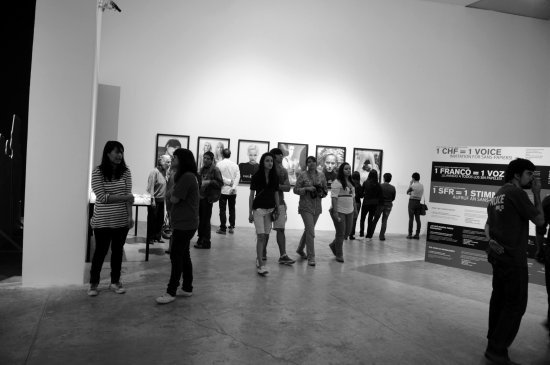
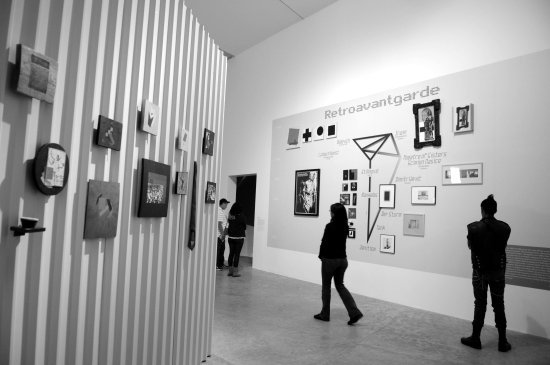
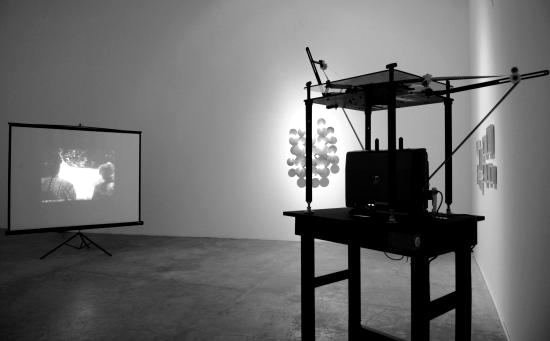
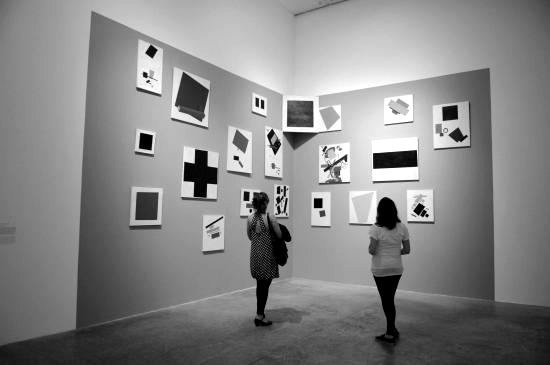
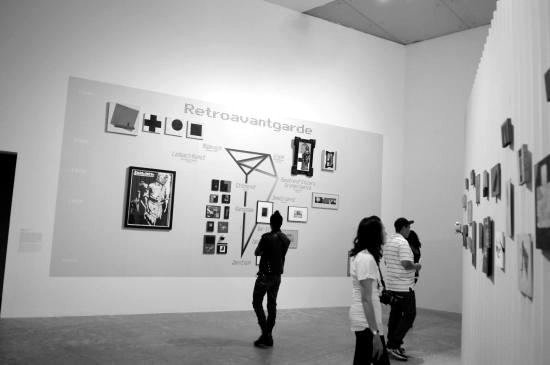
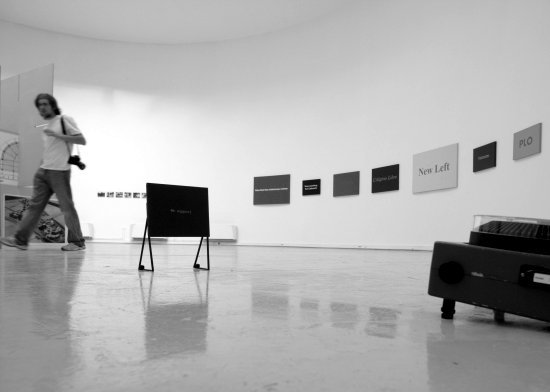
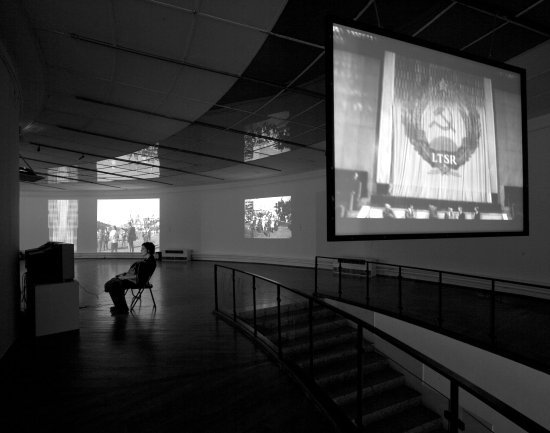
An exhibition of conceptual and post-conceptual art from socialist Eastern Europe presented in Mexico City, with Vojin Bakić, Walter Benjamin, Chto Delat and Vladan Jeremić, Collective Actions, Gorgona, Igor Grubić, Tibor Hajas, IRWIN, Sanja Iveković, Július Koller, Andreja Kulunčić, David Maljković, Kazimir Malevich, Ahmet Öğüt, Dan Perjovschi, Anri Sala, Mladen Stilinović, Nicoline van Harskamp, Želimir Žilnik and Artur Żmijewski. Long after the Iron Curtain was replaced by Fortress Europe, “Eastern Europe” still calls up only the past and an abandoned communist future, and the once lived utopia has given way to a blank screen and the discourse of permanent transition and belatedness. The exhibition worked on the tension between the legacy of communist and socialist political projects and their dissolution into the cacophony of neoliberal democracy, and traced the link between the avant-gardes and their exhausted signs and ghostly remainders. The project asked what the universalist and utopian horizons of socialist modernism could still mean once read from outside Europe, and was accompanied by the catalogue and a new essay, “Future Utopian Universalisms.”
Galerija Škuc, Ljubljana, 23 December 2009 – 15 January 2010 (The Fate of Other Planets, exhibition and walking lecture on self-organised artists’ associations from Gorgona to Podroom and the PM Gallery); Museum of 25 May, Belgrade, 2009, as Dissociative Association within Political Practices of (Post-)Yugoslav Art: Retrospective 01; tranzitdisplay, Prague, 2011 (Dionysian Socialism, (Non)Action, Delayed Audience)
Co-curator, with Ivana Bago
A long-term research and exhibition project on the art of socialist Yugoslavia in the 1960s and 70s, read against its post-1989 reception. The project followed practices of withdrawal, non-action and “acting without publicising,” from Gorgona to the Group of Six Artists and Mladen Stilinović. Each iteration was built with a local institution and extended the research to that context, in Prague to Czechoslovak projects of the same decades.
Dionysian Socialism, (Non)Action, Delayed Audience, tranzitdisplay, Prague, 2011Dissociative Association, Museum of 25 May, Belgrade, 2009The Fate of Other Planets, Galerija Škuc, Ljubljana, 2009–10
2010Neither From Nor Towards
Art Pavilion, Zagreb, 17 June – 17 July 2010
Co-curator, with Ivana Bago
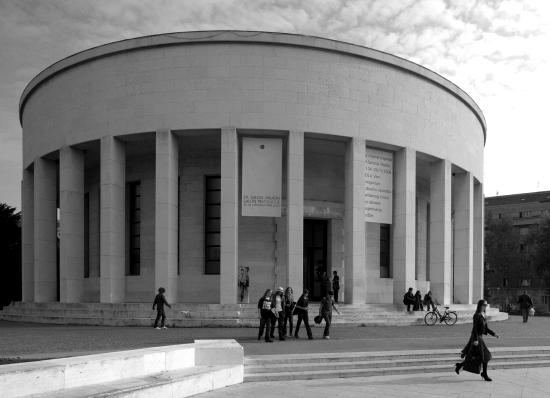
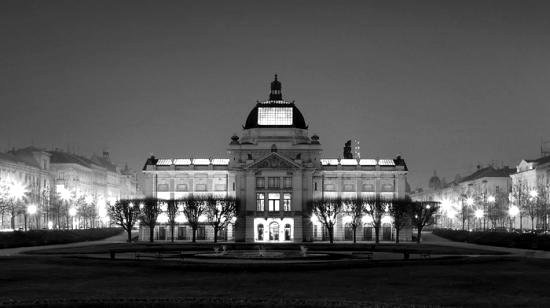
With Vahram Aghasyan, Ben Cain, Alex Cecchetti, Haris Epaminonda, Zachary Formwalt, Tina Gverović, Eric Van Hove, Gregor Neuerer, Lisl Ponger, Olivia Plender, Marinella Senatore and Guido van der Werve. The Art Pavilion was built for Croatia’s participation in the 1898 Budapest Millennium Exhibition, one of the world fairs that claimed to show “the world as a whole” while staging the geography of empires and their colonies. The exhibition did not restage the fair but its spectre: the proclaimed belief in the future of mankind, grounded in Western ideas of modernity and progress and realised through colonial relations past and present. Read in this way the histories of world expositions become scripts for the history of the world, and the works gathered in the historicist pavilion dealt with the ideology of representation, the observer and the observed, the colonial imaginary of exoticisation, architecture as a reflection of economic power, and the unequal relations of art production itself.
Art Pavilion, Zagreb, built 1898 for the Budapest Millennium ExhibitionNeither From Nor Towards, Art Pavilion, Zagreb, 17 June – 17 July 2010, installation viewInstallation view, Art Pavilion, Zagreb, 2010Installation view, Art Pavilion, Zagreb, 2010Installation view, Art Pavilion, Zagreb, 2010Installation view, Art Pavilion, Zagreb, 2010Installation view, Art Pavilion, Zagreb, 2010Installation view, Art Pavilion, Zagreb, 2010Installation view, Art Pavilion, Zagreb, 2010Installation view, Art Pavilion, Zagreb, 2010Installation view, Art Pavilion, Zagreb, 2010Neither From Nor Towards, Art Pavilion, Zagreb, 2010
2009And Then Nothing Turned Itself Inside Out
Kunsthalle Exnergasse, Vienna
Co-curator, with Ivana Bago
With Rosa Barba, Ann Böttcher, Ben Cain, Tina Gverović, Sven Johne, Kristina Kvalvik, Anders Kreuger, Marko Tadić, Slaven Tolj and Judi Werthein. The second part of a trilogy on narrative structures and the “immemorable,” begun with Stalking with Stories at apexart in 2007. Taking Michael Haneke’s Caché as its model, a thriller whose unsolved plot gives way to the drama of colonisation, dispossession and collective European guilt beneath it, the exhibition followed the points of rupture between dominant narratives and what is suppressed to hold them together, and the works ranged from micro-narratives to the ways these are bound up with national histories and the neocolonial imperatives of domination, exploitation and cultural erasure.
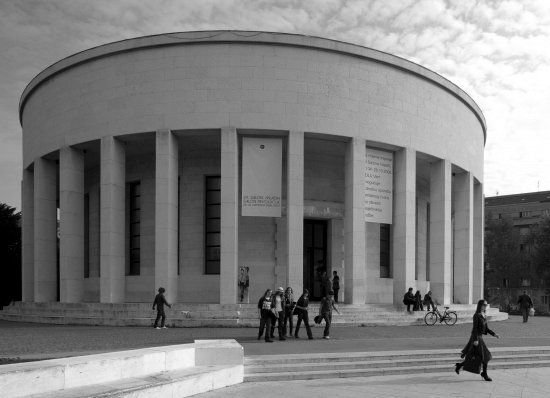
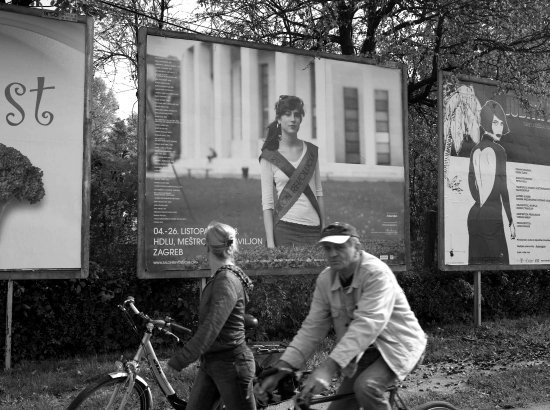
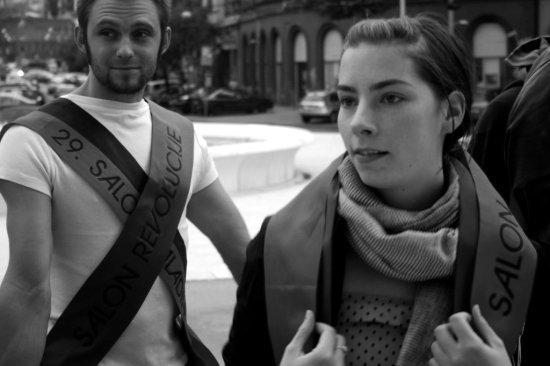
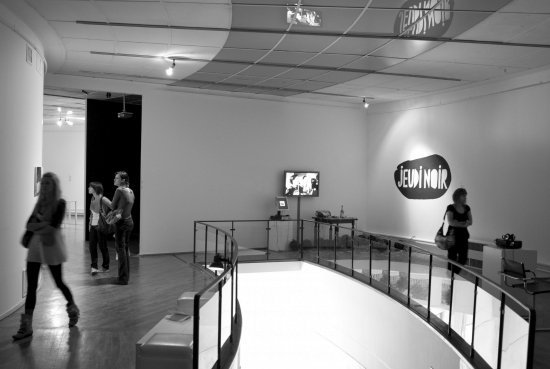
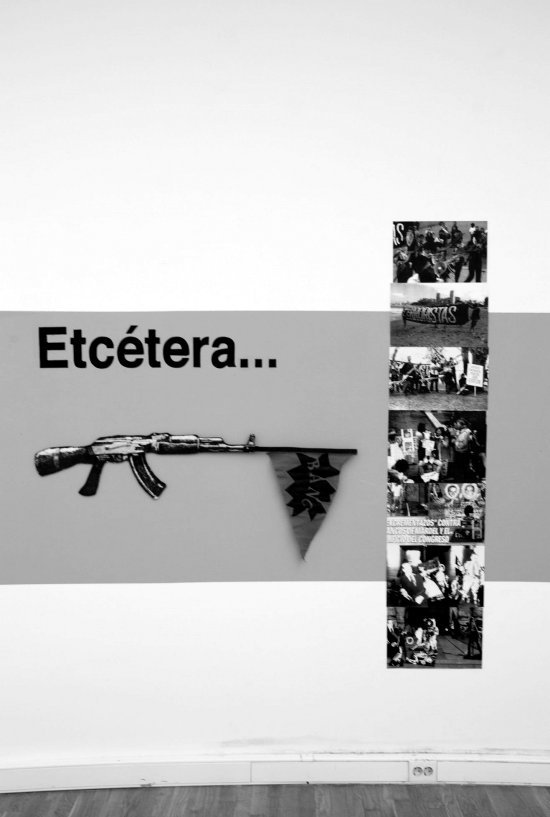
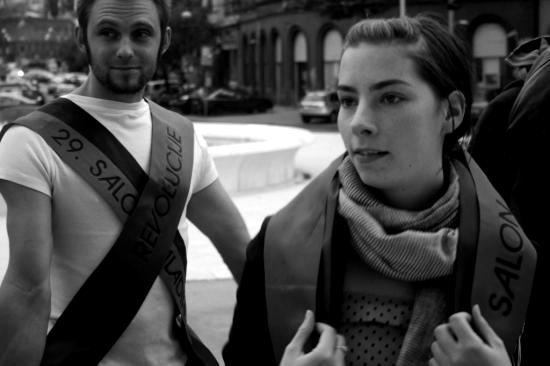
A reconception of Zagreb’s long-running Youth Salon as an international exhibition on the idea of revolution, 4–26 October 2008, in the Meštrović Pavilion and in the city. The title holds a deliberate ambiguity, revolutionising a salon or salonising a revolution, and the show was built as a question about the possibilities and responsibilities of a revolutionary imagination in the present. With Julieta Aranda, Arturas Bumšteinas and Laura Garbštienė, Petar Bunić, Alejandro Cesarco, Kajsa Dahlberg, Mariana Castillo Deball, Claire Fontaine, Samuel Dowd and Florian Roithmayr, Ivan Dujmušić, Köken Ergun, Patricia Esquivias, Jakup Ferri, Mario García Torres, Đuro Gavran, Igor Grubić, Nicoline van Harskamp, Stefan Haus, Adrijana Hiseni, Ilegalni bioskop, Siniša Ilić, The Institute of Art and Practice of Dissent at Home, Janez Janša, Jeudi Noir, Marin Kanajet, Božidar Katić, Iva Kovač and Nataša Tepavčević, Nenad Kurčubić, Siniša Labrović, Runo Lagomarsino, Ivan Latin, Marko Marković, Monument to Transformation, Radenko Milak, Ciprian Mureșan, Angel Nevarez and Valerie Tevere, Ahmet Öğüt, Damir Očko, Christodoulos Panayiotou, Lala Raščić and Vuneny, R.E.P., Joanne Richardson, Dina Rončević, Majorian 458, Karla Šuler, Pilvi Takala, Stefanos Tsivopoulos, Nasan Tur, Mona Vătămanu and Florin Tudor, Voina and the Disobedience Archive. The catalogue contains two essays co-written with Ivana Bago.
The Salon of Revolution, 29th Zagreb Youth Salon, HDLU (Meštrović Pavilion), Zagreb, 4–26 October 2008Billboard campaign for The Salon of Revolution, Zagreb, 2008Salon sashes worn in the city during the opening, 2008Installation view, Meštrović Pavilion, 2008Installation view, Meštrović Pavilion, 2008Installation view, Meštrović Pavilion, 2008Installation view, Meštrović Pavilion, 2008Installation view, Meštrović Pavilion, 2008Installation view, Meštrović Pavilion, 2008Etcétera..., installation view, 2008Installation view, Meštrović Pavilion, 2008Installation view, Meštrović Pavilion, 2008Installation view, Meštrović Pavilion, 2008Installation view, Meštrović Pavilion, 2008Installation view, Meštrović Pavilion, 2008Performance in the city, Zagreb, 2008Performance, Meštrović Pavilion, 2008Installation view, Meštrović Pavilion, 2008Installation view, Meštrović Pavilion, 2008Installation view, Meštrović Pavilion, 2008Installation view, Meštrović Pavilion, 2008Meštrović Pavilion, Zagreb, 2008The Salon of Revolution, 2008
2005Insert: Retrospective of Croatian Video Art. Museum of Contemporary Art, Zagreb
2004Pilot 04. Year-long open programme, Museum of Contemporary Art, Zagreb. Co-curator
2004Selector, International Video Art Festival. Prishtina
2004Tra-Ns-Vestie. Queer Zagreb
2003Retrospective of Croatian Experimental Film and Video. Pula
2003Post-Socialist Queer?. Zagreb
Programmes, symposia and seminars convened
2015–21Feminist Takes on Yugoslav Black Wave Film
An interpretive community gathered around a single scene of Želimir Žilnik’s Early Works (1969), the immolation of the film’s heroine by her three male comrades, as an open-ended experiment in feminist epistemology
Take 1: Academy of Dramatic Arts, Zagreb, 12 December 2015, with the Eurokaz festival, with Sanja Iveković, Milica Tomić, Jelena Vesić, Vesna Kesić, Vedrana Madžar, Ivana Bago and Nebojša Jovanović; Take 2: Nottingham Contemporary, 16 January 2016, within Monuments Should Not Be Trusted, curated by Lina Džuverović;
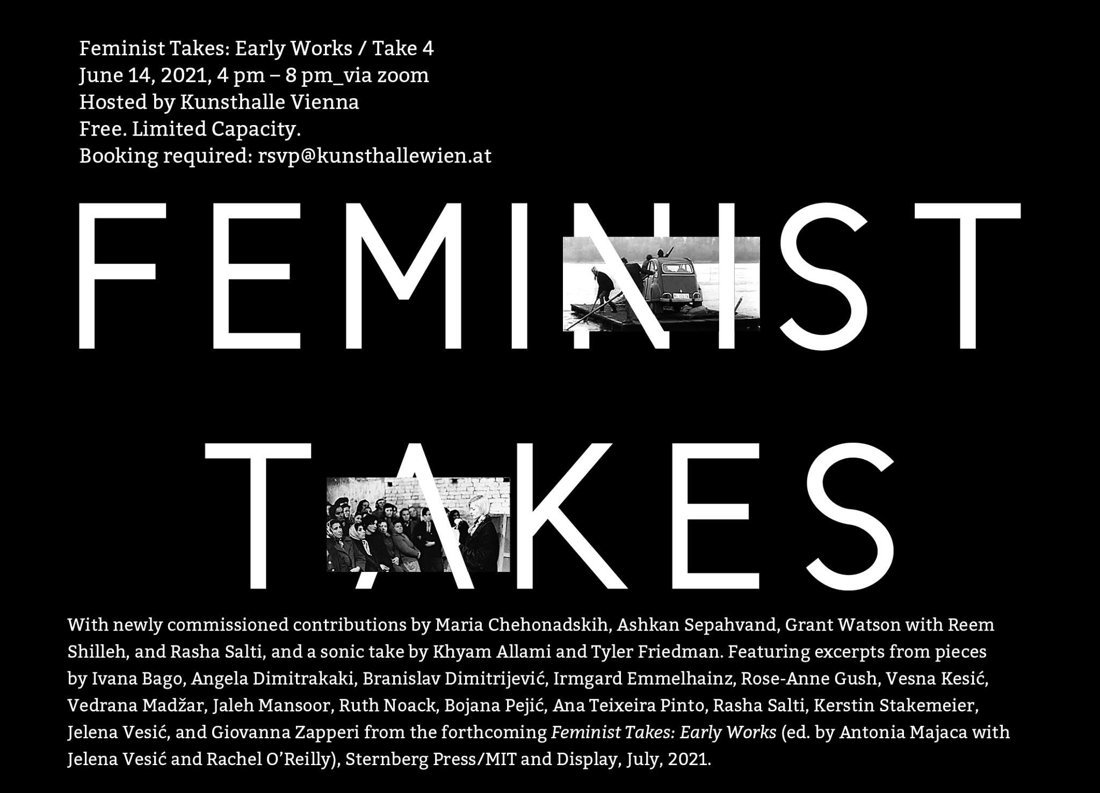
Take 3: Kunsthalle Wien, Vienna, with What, How & for Whom / WHW, 2021
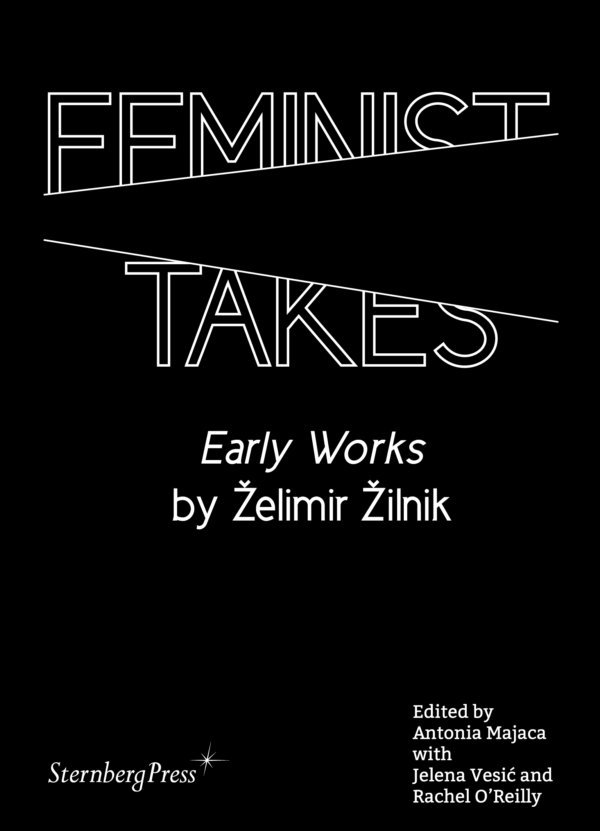
Book Feminist Takes: Early Works, Sternberg Press, 2021
Project by Antonia Majaca; book co-edited with Jelena Vesić and Rachel O’Reilly
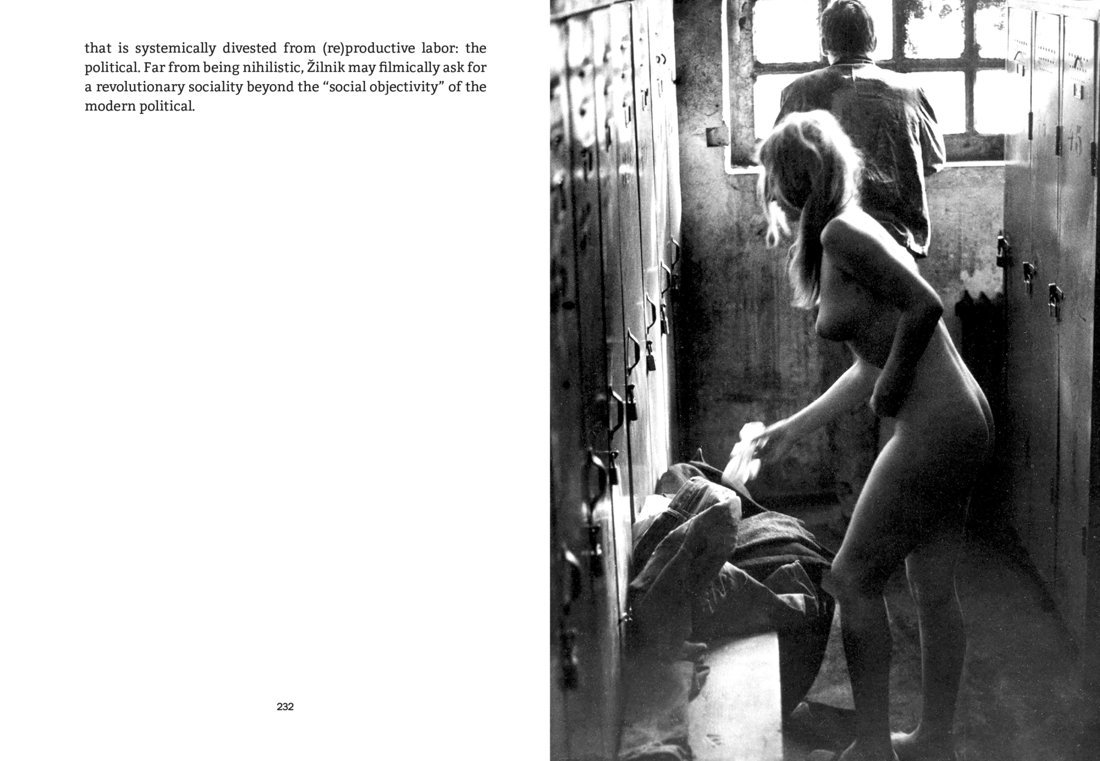
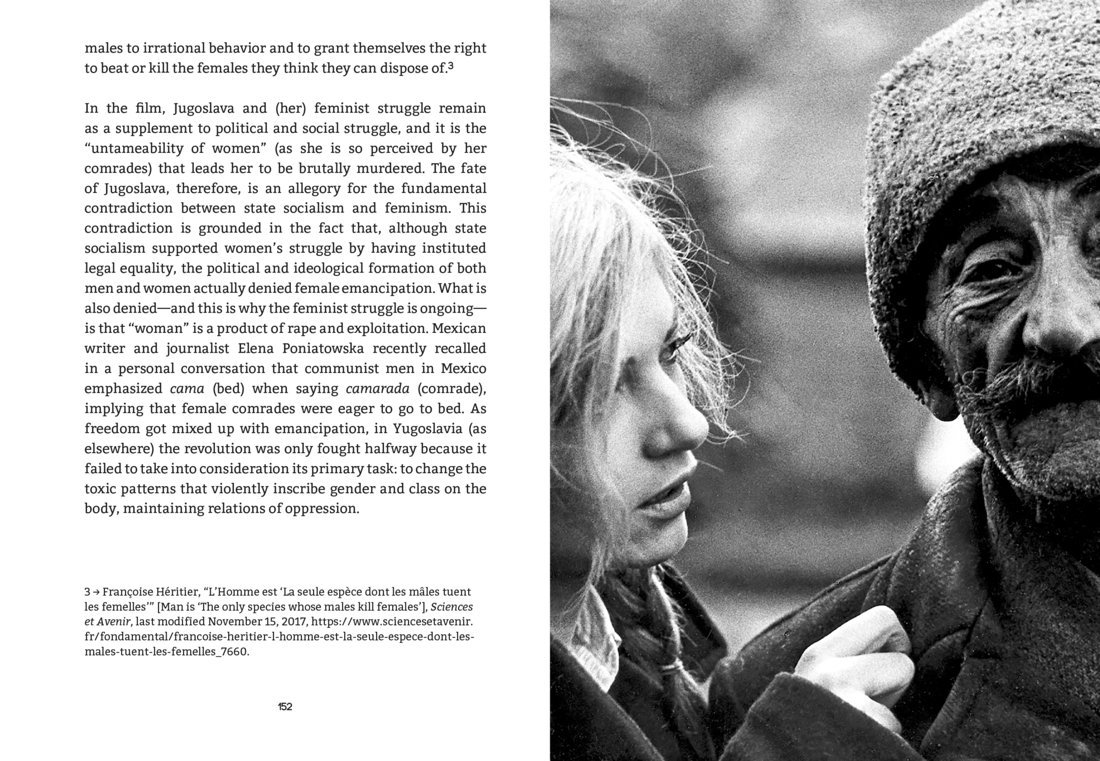
Žilnik’s film follows Jugoslava, a young woman who sets out with three men to carry the revolution to the villages and factories of Vojvodina and is killed by them when the journey fails. Made in the months after the June 1968 student protests in Belgrade, it was prosecuted at home and awarded the Golden Bear in Berlin. The takes in Zagreb and Nottingham read the film’s violence as a diagnosis of the revolutionary subject of 1968 and of the place of women’s work in revolt, and the book (Sternberg Press, series History, Criticism and Theory, October 2021, 328 pages) is the record of those gatherings, extended with new essays.
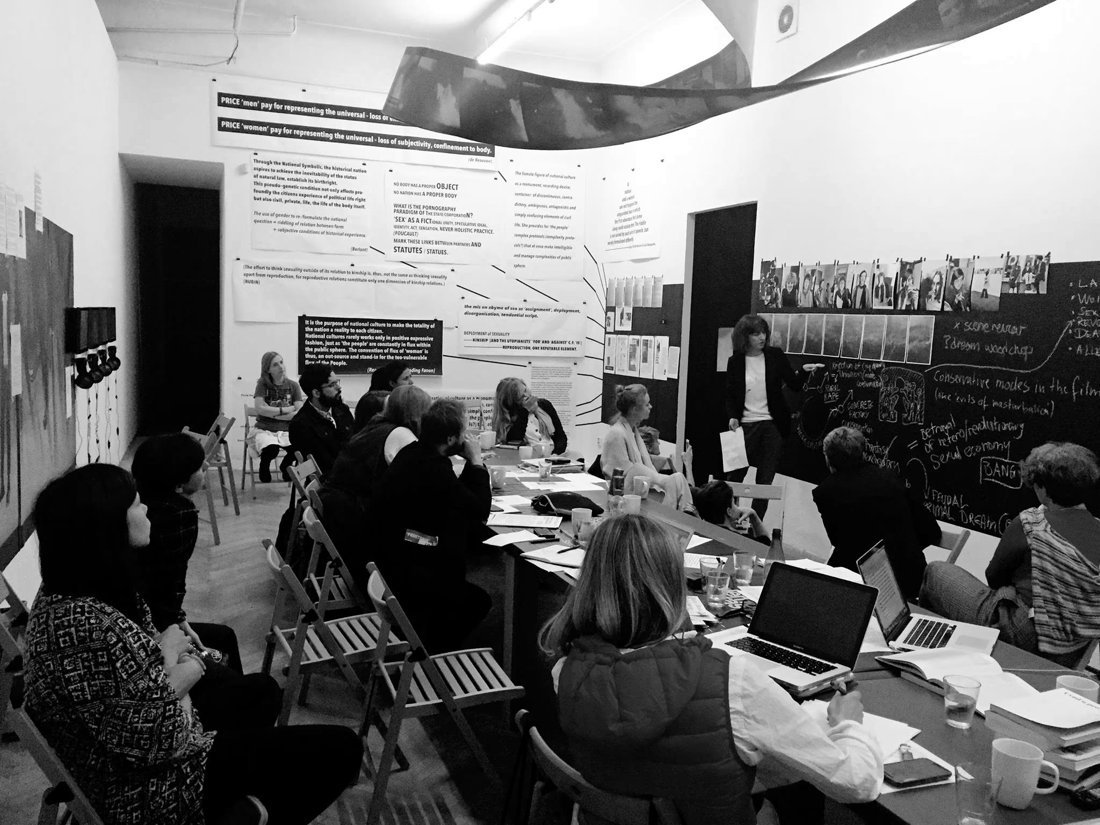
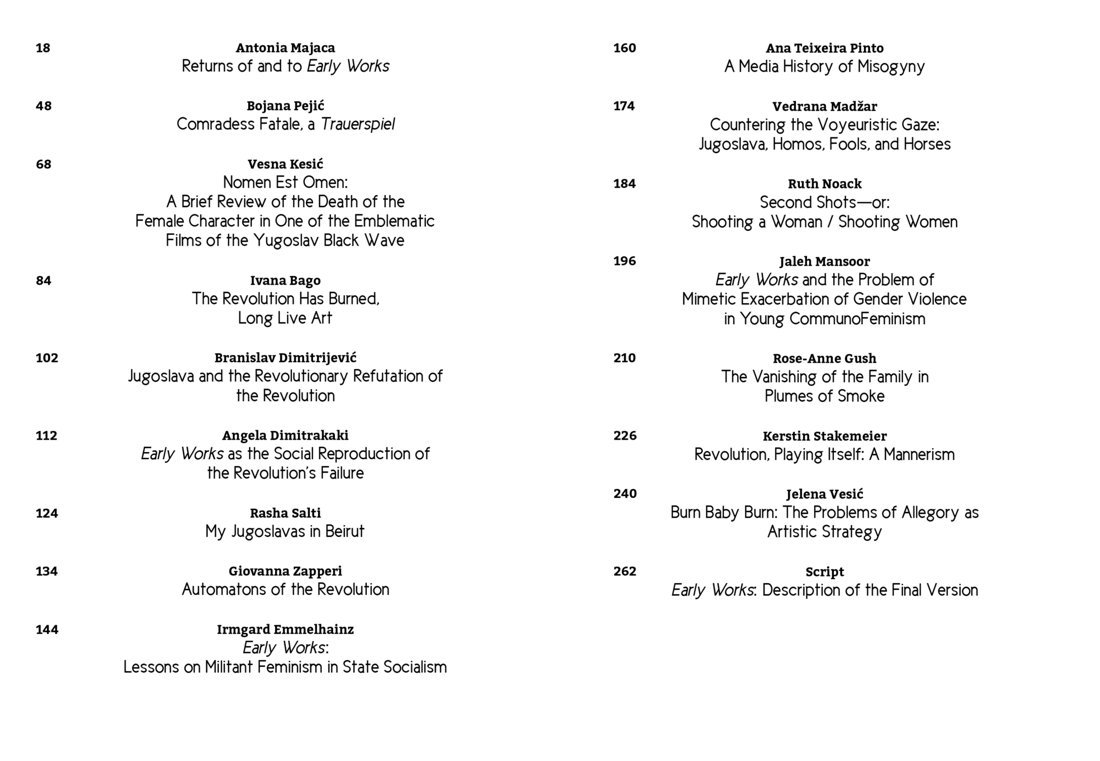
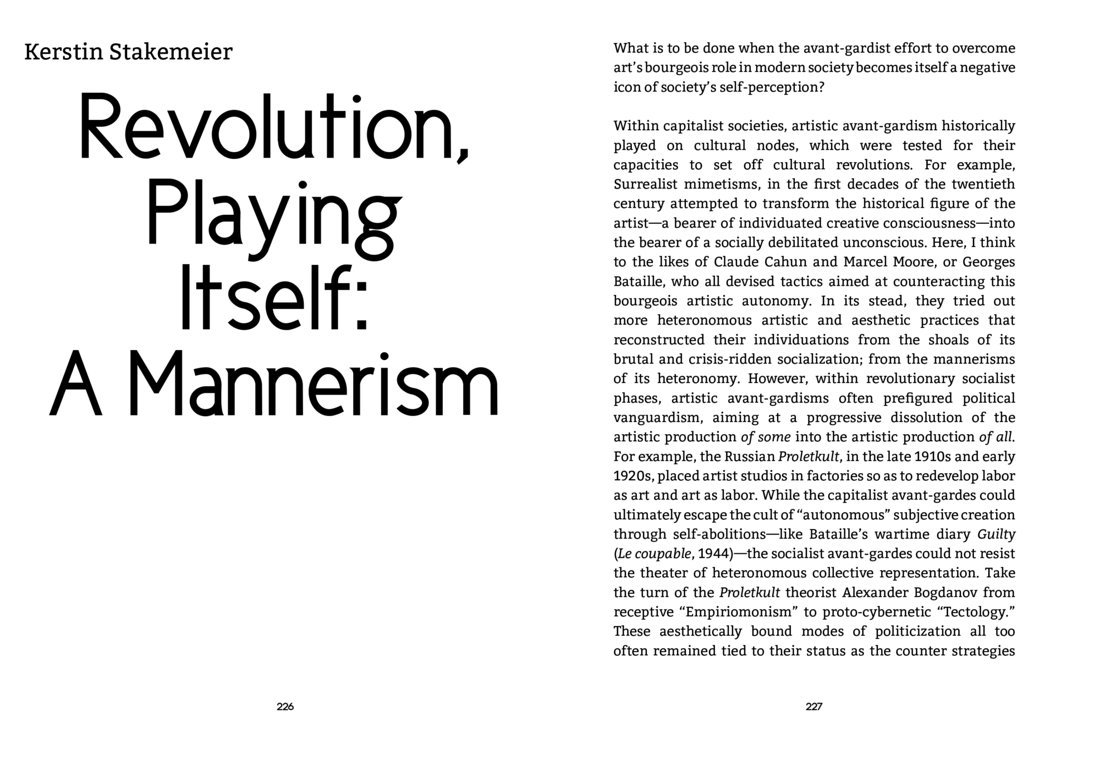
Feminist Takes, Take 1, Zagreb, 2015Feminist Takes, Take 2, Nottingham Contemporary, 2016Feminist Takes, Take 2, Nottingham Contemporary, 2016Feminist Takes, Take 4, Kunsthalle Wien, 14 June 2021Feminist Takes: Early Works by Želimir Žilnik, Sternberg Press, 2021, coverFeminist Takes, contentsFeminist Takes, spread with still from Early Works (1969)Feminist Takes, Kerstin Stakemeier, Revolution, Playing ItselfFeminist Takes, Irmgard Emmelhainz, Lessons on Militant Feminism in State Socialism
Unexpected Encounters III: On Exodus, with Franco Berardi, Zagreb, 2012
2012Unexpected Encounters I–IV
Zagreb: Galerija Miroslav Kraljević (2010, 2011), Pogon Jedinstvo (2012), Multimedia Institute MaMa (2014)
Seminar series, DeLVe; conceived with Ivana Bago
An open seminar built each time on the close reading of one case. I, Points of Intersection (2010), on the historiography of historical conceptualism, with Vesna Vuković. II, Comparative Conceptualisms (19 November 2011), with Klara Kemp-Welch, Luiza Nader and Sarah Wilson. III, On Exodus (9 July 2012), with Jelena Vesić and Franco Berardi Bifo. IV, Abandoned Soviet Monuments From the Future That Were Not (17 December 2014), concept by Majaca, taking a viral web page of Yugoslav modernist monuments as the object of collective analysis, with Ilya Budraitskis, Ana Teixeira Pinto, Milica Tomić, Andrew Herscher, Branimir Stojanović and Sanja Horvatinčić.
2004–06ART-e-FACT
Online magazine for art and politics
Editor-in-chief
Thematic issues with guest editors, contributors included Svetlana Boym, Boris Buden, Saskia Sassen, Hito Steyerl and Erik Swyngedouw.
Edited volumes
2021Feminist Takes: Early Works by Želimir Žilnik. Co-edited with Jelena Vesić and Rachel O’Reilly. Sternberg Press. The book is the record of a forum: an interpretive community gathered around one scene, the immolation of the heroine of Žilnik’s Early Works (1969) by her three male comrades (Zagreb 2015, Nottingham 2016, Vienna 2021)
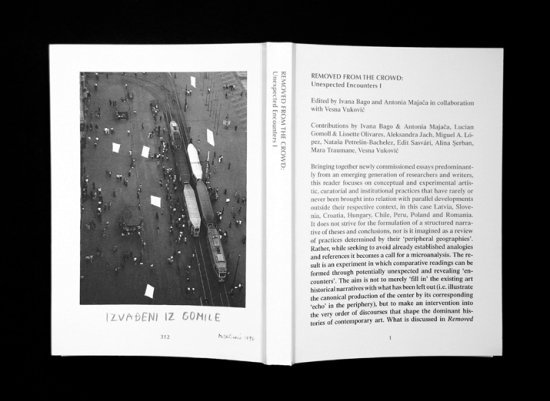
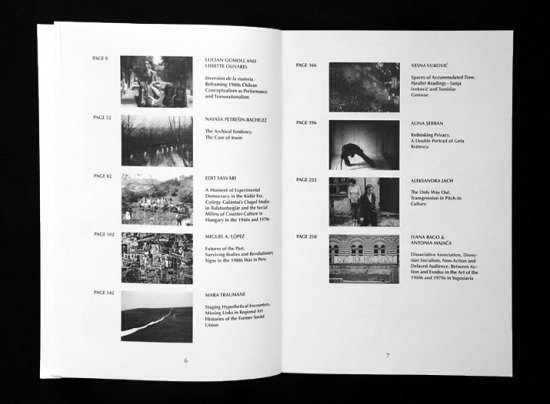
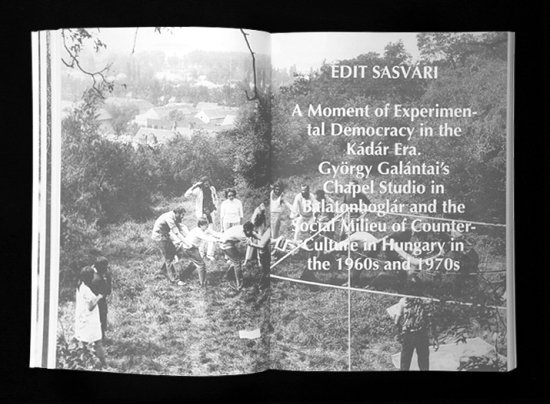
2011Removed from the Crowd: Unexpected Encounters I, reader. Edited with Ivana Bago, in collaboration with Vesna Vuković. Newly commissioned essays, mostly by an emerging generation of researchers, on conceptual and experimental artistic, curatorial and institutional practices in Latvia, Slovenia, Croatia, Hungary, Chile, Peru, Poland and Romania that had rarely been brought into relation: a call for close reading rather than a narrative of theses, and an intervention in the order of discourses that shape the dominant histories of contemporary art rather than a filling-in of its gaps. The practices discussed were themselves in search of new methodologies, between collective and individual, private and public, action and escapism, art and non-art, artist and curator, and often took place in private spaces, in solitude, in nature or camouflaged as everyday life, counting on an audience to come; the contributing art historians are their delayed public. Contributions by Ivana Bago and Antonia Majaca, Lucian Gomoll and Lissette Olivares, Aleksandra Jach, Miguel A. López, Nataša Petrešin-Bachelez, Edit Sasvári, Alina Șerban, Mara Traumane, Vesna Vuković. English and Croatian editions. DeLVe, Zagreb, 2011
2009Igor Grubić: 366 Liberation Rituals. Galerija Miroslav Kraljević, Zagreb. Editor
2008Issue-ing the Revolution. Život umjetnosti 83, Institute of Art History, Zagreb, 2008. Co-edited with Ivana Bago. On the artistic and cultural practices of the 1960s and 1970s in Central and Eastern Europe, asking whether the turn to the past can be a driving force for reflection on the present rather than a symptom of left melancholy. Contributions by Sezgin Boynik, Srećko Horvat and Maroje Mrduljaš, Jens Kastner, Antonia Majaca and Ivana Bago, Walter Seidl, Artur Żmijewski, Prelom kolektiv, Marco Scotini, Maja and Reuben Fowkes, and Hedvig Turai; includes “Spit in the Eyes of Truth (Then Quickly Close Your Eyes Before It),” with Ivana Bago
2008The Salon of Revolution. 29th Zagreb Youth Salon catalogue, HDLU, Zagreb. Editor
Feminist Takes: Early Works by Želimir Žilnik, Sternberg Press, 2021Removed from the Crowd: Unexpected Encounters I, reader, DeLVe, 2011Removed from the Crowd, reader, contentsRemoved from the Crowd: Unexpected Encounters I, reader, DeLVe, 2011Removed from the Crowd, reader, 2011Removed from the Crowd, reader, 2011
Texts
2021“Returns of and to Early Works”. In Feminist Takes, pp. 18–41.
2014“Disentangled, Exposed, Triangulated: On Sanja Iveković’s Triangle, 1979”. In Sanja Iveković: Unknown Heroine. A Reader, ed. Helena Reckitt, Calvert 22, London
n.d.“Art and Anti-Politics: Experiments in Collective Autonomy”. On Gorgona, the Group of Six Artists and post-1968 self-organisation in Yugoslavia
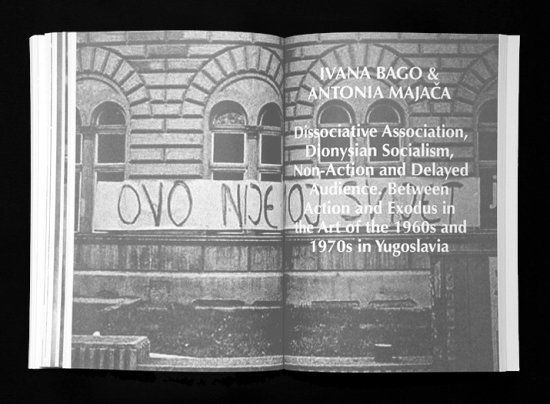
2010“Dissociative Association, Dionysian Socialism, Non-Action and Delayed Audience: Between Action and Exodus in the Art of the 1960s and 1970s in Yugoslavia”. With Ivana Bago. Curatorial insert and chapter in Političke prakse (post)jugoslovenske umetnosti: Retrospektiva 01, ed. Zorana Dojić and Jelena Vesić, Prelom kolektiv, Belgrade, 2010
2013“The First Issue / Acting Without Publicising / Delayed Audience”. With Ivana Bago. In Parallel Slalom: A Lexicon of Non-Aligned Poetics, ed. Bojana Cvejić and Goran Sergej Pristaš, TkH and CDU
2009“Moving Forward, Counting Backwards”. In Restaging the Past: Baltic/Balkans, ed. Magda Lewoc, Szczecin
2009Antonia Majaca in conversation with Sanja Iveković. Thyssen-Bornemisza Art Contemporary: The Collection Book, ed. Eva Ebersberger and Daniela Zyman, Walther König
2009“Feminism, Activism and Historicisation: Sanja Iveković Talks to Antonia Majaca”. n.paradoxa 23
2008“Notes from the Classroom”. With Ivana Bago. In Almut Rink, Contact Zone, G-MK
2008“Journey into the Heart of Darkness”. With Ivana Bago. In Omer Fast: The Great Message, G-MK
2008“What Is (Video) Art Compared to This Being?”. In Insert: A Retrospective of Croatian Video Art, Museum of Contemporary Art, Zagreb
2008“A Sunday Conversation with Mladen Stilinović”. In Male Fantasies, Coma, Berlin
2007“If I Am Right and Good, Show Me Your Happiness, Smile! (Istanbul, Summer 2007)”. On Ahmet Öğüt. Život umjetnosti 81
2007“Lit Up by Short Circuit”. With Jasna Jakšić. In Ahmet Öğüt: Softly but Firmly, G-MK
2007“From Tactics to Strategies”. In Conceptual Artists and the Power of Their Art Works for the Present, ed. Marina Gržinić, Celeia, Celje
2005“Humanism in the Image of Posthuman Time”. Croatian Pavilion catalogue, 51st Venice Biennale
2003–09Criticism, interviews and radio essays. Zarez, Život umjetnosti, Praesens, Oris, Croatian Radio Third Programme; interviews with Candice Breitz, Vasif Kortun, Carl Michael von Hausswolff, Stephen Wright
Teaching
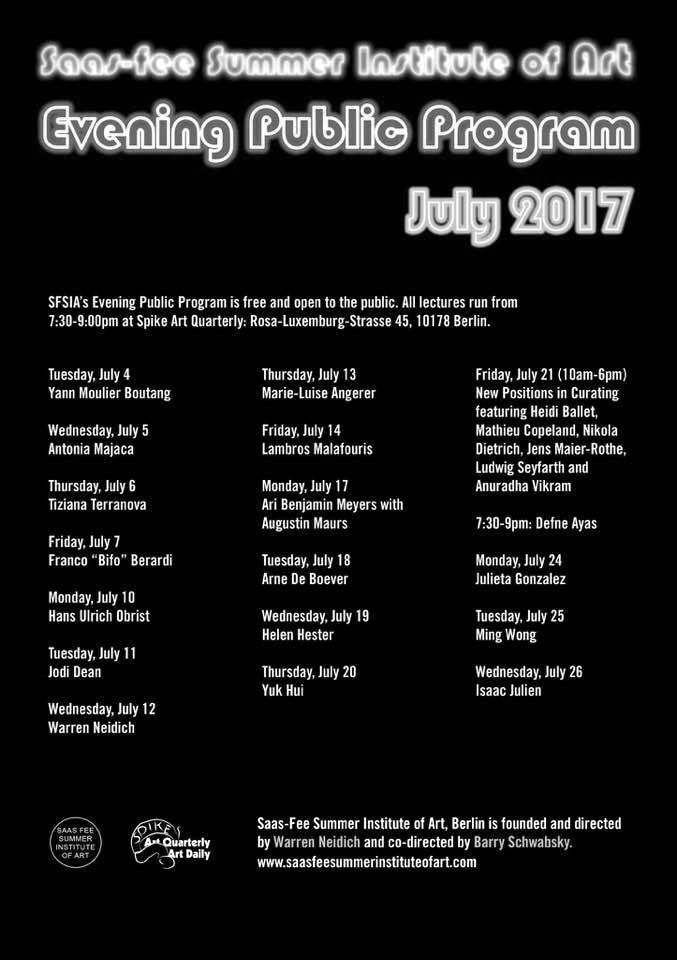
2017Faculty, Art and the Politics of Collectivity. Saas-Fee Summer Institute of Art, Berlin, 3–27 July
2008–09Artistic and Curatorial Practices in Croatia in the Late 1960s and 1970s. Temporary History of Exhibitions: Removed Pedagogies. Year-long series of public seminars conceived and led with Ivana Bago within the Curatorial Platform (Ivana Meštrov, Mihaela Richter), MM Centar and G-MK, Zagreb, September 2008 – June 2009. DeLVe’s contribution to the Curatorial Platform: fifteen students of art and art history each researched one case and presented it to the group and the public, at times with invited guests, to sketch a local history of the exhibition as an experimental art form in its social and political context, following both the exhibition politics of the Student Centre and other state institutions and the self-organised activity of artists and curators, and the links between Zagreb, the other Yugoslav centres and the international scene. Cases: Gorgona; the Student Centre Gallery and Želimir Koščević; the Student Cultural Centre Belgrade; the entrance hall at Frankopanska 2A (Braco Dimitrijević, Nena Dimitrijević, Goran Trbuljak); the Gallery of Contemporary Art in the early 1970s (Marijan Susovski, Dalibor Matičević, the first projects in urban space); the Motovun Encounters and early video art; the exhibition-actions of the Group of Six Authors; Podroom, the Working Community of Artists; the end of the New Art Practice and the return of painting; the Gallery of Extended Media (1982–91); the artist as curator. Participants: Jelena Graovac, Sanja Horvatinčić, Iva Kovač, Ana Kovačić, Petra Krolo, Ana Kutleša, Jelena Pašić, Ivana Peleh, Nina Pisk, Karla Pudar, Mihaela Richter, Marijana Rimanić, Zana Šaškin, Tanja Špoljar, Vanja Žanko. Supported by the Student Centre Zagreb and Galerija Miroslav Kraljević
Talks
2012“A Thousand Lines of Flight: Post-Anarchism and Contemporary Art”. Anarchist Studies Network conference, Loughborough University
2008Art in Political Frame. Dom omladine, Belgrade
2008How Soon Is Now? An Exercise to Imagine Our Provisional Futures. Škuc Gallery, Ljubljana
2006“Notes on Tactical: Aspects of Art in the Public Sphere”. Conceptual Artists and the Power of Their Art Works for the Present, Center for Contemporary Art, Celje
Saas-Fee Summer Institute of Art, Berlin, 2017
Research positions, education and grants
Research and institutional positions
2024–ERC project HealthXCross (Horizon 2020, GA 949742), Ca’ Foscari University of Venice. Doctoral researcher. Dissertation The Incurable Tear, Metabolic Commons, and the Remaking of Human and Nature; supervisor Pietro Daniel Omodeo
2025–NICHE Centre for Environmental Humanities, Ca’ Foscari. Founder and coordinator, research cluster Radical Epistemologies: Political Ecology and Transversal Praxis
2016–21Austrian Science Fund (FWF), Arts-Based Research project AR 361, IZK TU Graz. The Incomputable: Art in the Age of Algorithms, €336,759. Principal investigator 2019–21, succeeding Milica Tomić; research associate from 2015
2016–19Haus der Kulturen der Welt, Berlin. Member of the curatorial team, Kanon-Fragen
2009–DeLVe | Institute for Duration, Location and Variables. Co-founder, with Ivana Bago
2018–South as a State of Mind. Editorial committee
Education, residencies and grants
2011–12MA Art and Politics, Goldsmiths, University of London. Distinction. Allan Little Memorial Award for best overall marks and best dissertation. Thesis: Critical Memorial Practices and Their Forums: Reconfiguring Communities of Memory in Former Yugoslavia, supervisor Bernadette Buckley
2006Summer Institute for Museum Professionals, New York University. Getty Foundation scholarship
1995–2002BA Art History and Comparative Literature, University of Zagreb
Residencies and grants: FFAI Foundation (2013); Goldsmiths International Scholarship (2011); ISCP, New York (2007); Platform Garanti, Istanbul (2007); Goethe-Institut Berlin (2005); Fundación Cisneros [year]
Languages
Croatian (native); English (excellent); Italian (excellent reading and writing, good spoken); German (excellent reading, good writing and spoken)